Last updated November 21, 2026
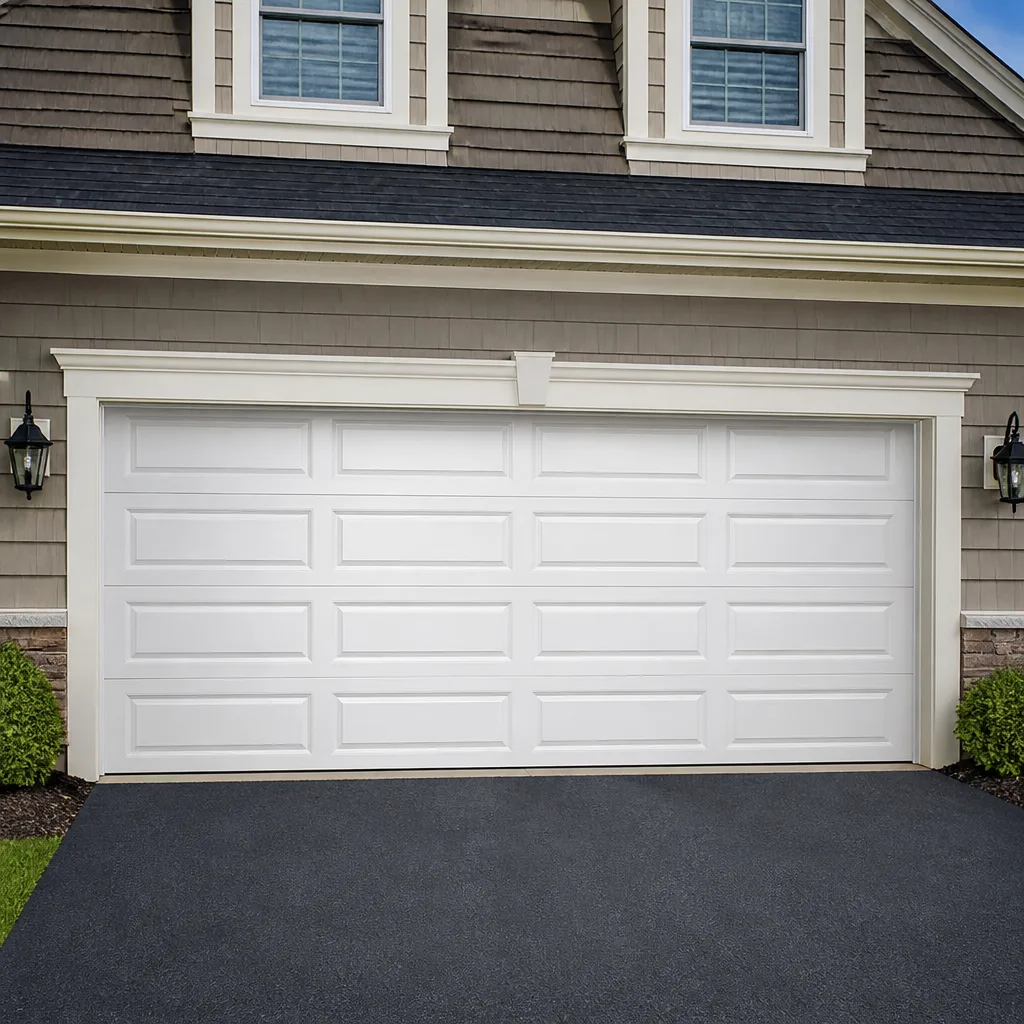 Raised-panel steel
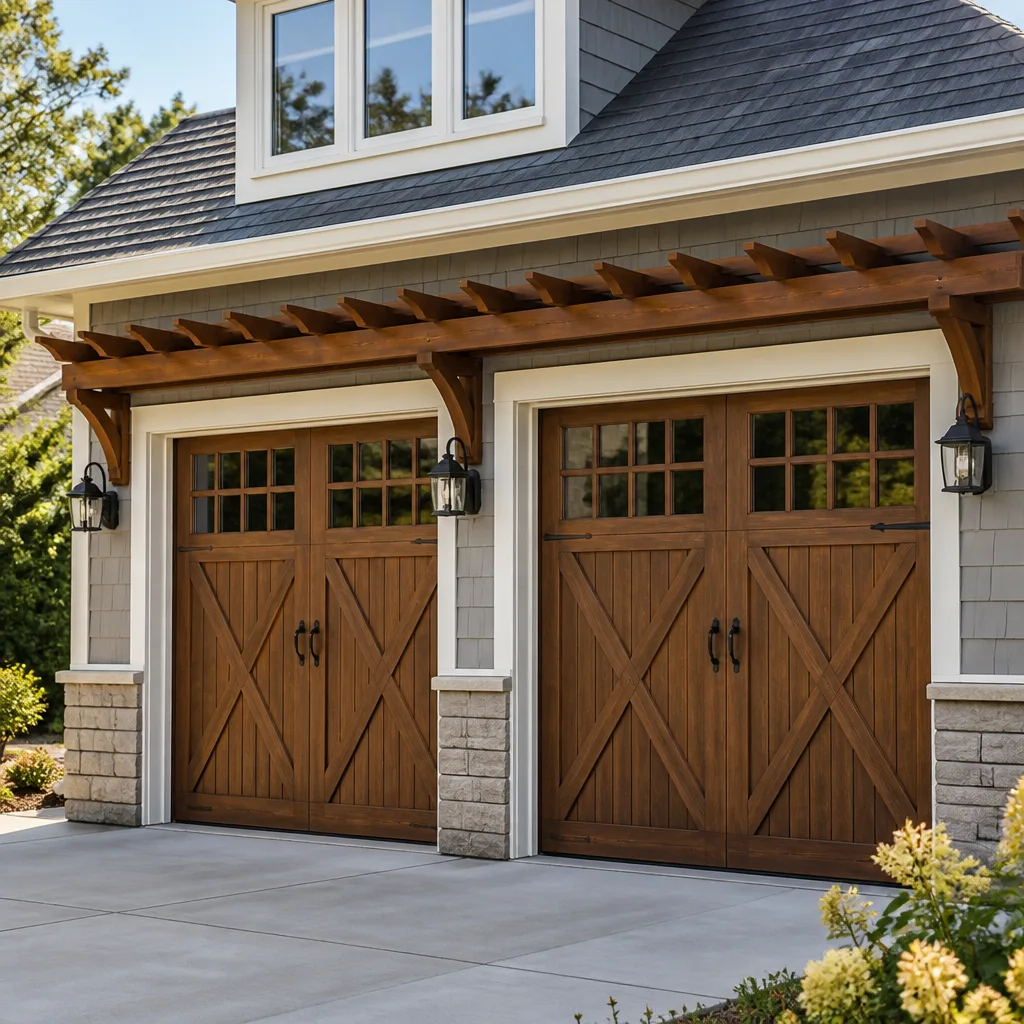 Carriage house
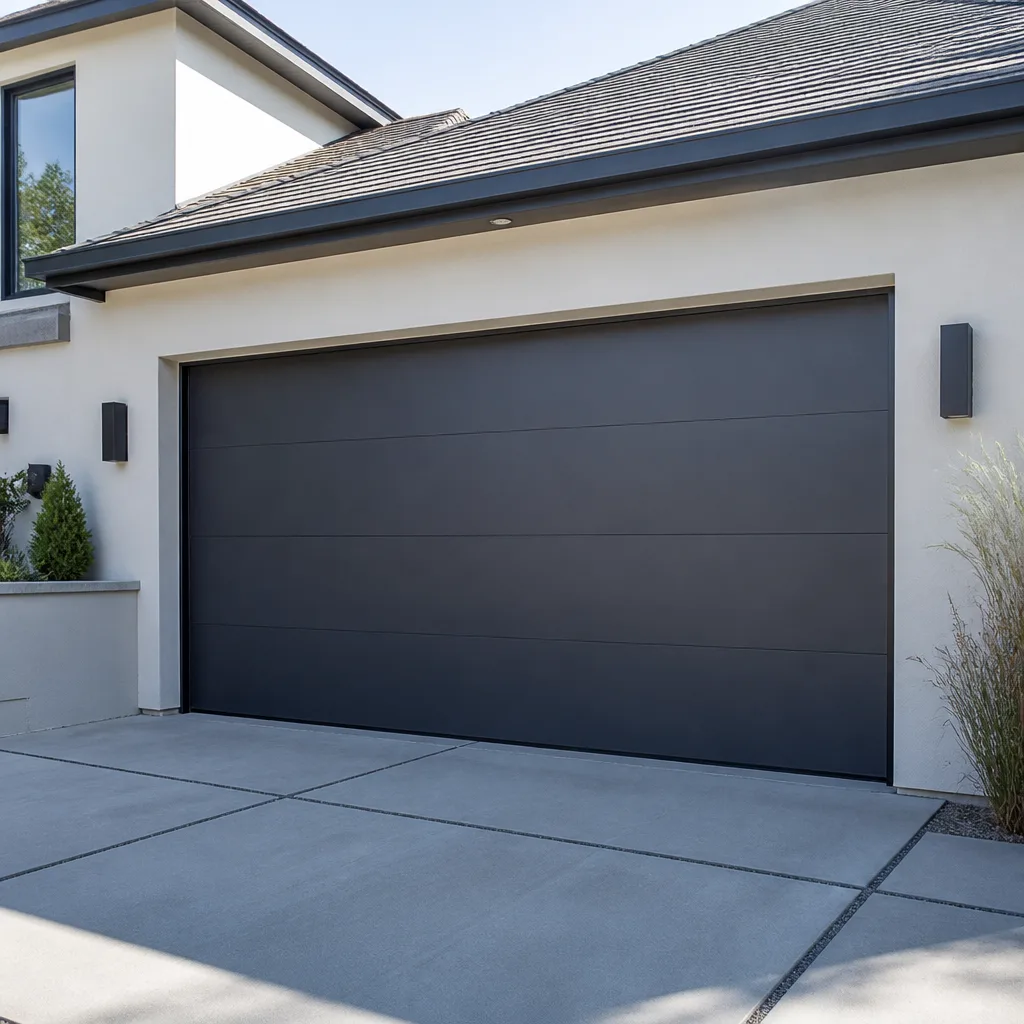 Modern flush
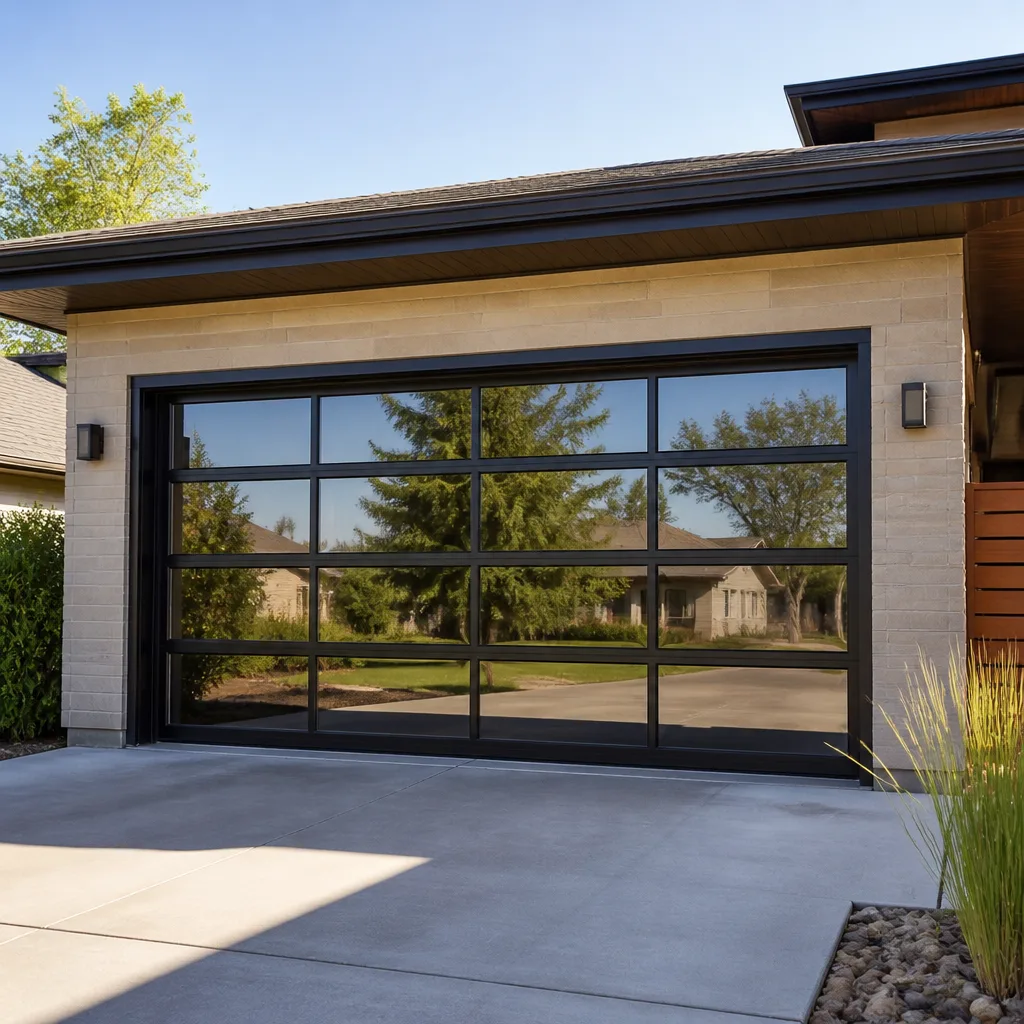 Full-view glass
 LiftMaster openers
 Chamberlain openers
Full 25-point door and opener safety check with every visit - springs, cables, rollers, tracks, and your LiftMaster or Chamberlain opener included
You get a price before we start. It does not change when the pro arrives.
Get your free estimateDIY vs Professional Garage Door: The Tallahassee Homeowner’s Decision Guide
Here’s the part most DIY-versus-pro articles get wrong: they treat every garage door job as if it’s the same decision. It isn’t. Swapping a bottom weatherstrip on a Saturday morning is a perfectly reasonable DIY job that costs a few dollars and takes fifteen minutes. Adjusting a torsion spring is a different animal entirely – it’s stored mechanical energy under enough tension to cause serious injury, and no amount of YouTube confidence changes the physics. In Tallahassee, that distinction matters more than most homeowners realize, because a door that fails during a summer thunderstorm can become a safety and liability problem for the person who installed the part. This guide walks through which tasks you can safely handle, which ones need a trained technician, and how to actually run the math on DIY savings once tools and risk are factored in.
Quick Answer
Most garage door maintenance – lubricating hinges, tightening bolts, replacing weatherstripping, and cleaning photo-eye sensors – is safe and sensible for a Tallahassee homeowner to do. Anything involving torsion springs, cables, drums, or the counterbalance system should be handled by a trained technician, because those parts store lethal energy and a mistake can drop a door weighing hundreds of pounds. Opener installation, panel replacement, and track realignment sit in the middle: technically possible for a skilled DIYer, but the warranty and insurance questions usually tip the decision toward a professional.
Styles & brands we work with
- Raised-panel steel
- Carriage house
- Modern flush
- Full-view glass
- LiftMaster openers
- Chamberlain openers
Table of Contents
- Task-by-Task Breakdown: What You Can Do and What You Shouldn’t
- The Real Physics of Torsion Spring Tension
- Opener Installation, Warranty, and the Insurance Gray Area
- The Florida Permit Angle: What You Can Pull Yourself
- The Real Cost Comparison: DIY vs Professional
- Why Florida Storms Change the Risk Calculation
- How This Plays Out Across Tallahassee Neighborhoods
- Specialty Tools That Make or Break a DIY Job
Task-by-Task Breakdown: What You Can Do and What You Shouldn’t
Garage door work falls into three buckets: genuinely owner-safe, professional territory, and a gray zone where skill and warranty considerations decide it. Knowing which bucket a repair lands in before you pick up a wrench is the single most useful thing this guide can give you.
Owner-safe tasks
- Replacing bottom weatherstrip: The rubber seal along the bottom edge wears out in Tallahassee’s heat and humidity. It slides into a track and takes minutes to swap.
- Lubricating hinges, rollers, and springs (with a proper garage door lubricant): A quiet door is a safer door, and this is routine maintenance anyone can do.
- Tightening loose bolts on hinges and brackets: Vibration loosens hardware over time. A socket set handles it.
- Cleaning and aligning photo-eye sensors: A misaligned sensor is the number-one cause of a door that won’t close. Wiping the lenses and nudging them back into alignment solves most cases.
- Replacing the opener remote battery and re-pairing remotes: Simple and safe on LiftMaster, Chamberlain, Genie, and most legacy systems.
- Testing the auto-reverse safety feature: Place a roll of paper towels under the door and confirm it reverses on contact. If it doesn’t, that’s a safety failure that needs attention.
Professional territory
- Torsion spring replacement or adjustment: Lethal energy, special winding bars, and a very narrow margin for error.
- Extension spring replacement: Slightly less dangerous than torsion, but still under heavy tension and capable of inflicting serious injury if a clamp slips.
- Cable replacement: Cables are under spring tension and can snap violently. Never a DIY job.
- Drum, bearing plate, or center bracket work: These are load-bearing components of the counterbalance system.
- Track realignment after a vehicle strike or impact: Bent tracks under load can buckle unpredictably.
- Panel replacement requiring spring re-tensioning: Any time the door’s weight changes, the spring balance must be recalculated.
Gray zone: skill-dependent
- Opener replacement: Possible for a capable DIYer, but warranty and code questions usually make it not worth it.
- Roller replacement: Straightforward when the door is in the down position and the springs are intact, tricky if any part of the counterbalance is compromised.
- Remote and keypad programming: Easy on modern LiftMaster and Chamberlain systems, less intuitive on legacy openers.
When in doubt about which bucket you’re in, call before you touch. A free estimate costs nothing, while a botched spring job costs a lot more than the repair would have.
The Real Physics of Torsion Spring Tension
The injury risk with torsion springs is not exaggeration, and the reason is simple physics: a wound torsion spring stores enough energy to lift a door weighing hundreds of pounds. That energy doesn’t disappear when the spring is under load – it’s held in check by the winding bars and set screws. When those fail, the energy releases instantly.
Here’s what actually happens during a spring failure. The spring is wound to a specific number of turns determined by the door’s weight and height. If the spring is under-wound, the door feels heavy and the opener strains. If it’s over-wound, the spring can fail catastrophically – the coil snaps, the winding cone spins free, and the cable on that side goes slack. A door with a slack cable can drop without warning. Professional technicians use calibrated winding bars and approach every spring job with the door in the fully open position, locked in place, and the springs de-tensioned before any work begins. That sequence isn’t a suggestion; it’s a hard-and-fast rule born from the fact that the failure mode is genuinely dangerous.
For Tallahassee homeowners, the spring question is also a heat question. Springs cycle through expansion and contraction every day with our temperature swings, and the constant tension/relaxation they experience with each door cycle is what eventually fatigues the steel. A spring that’s been weakened by fatigue can look fine right up until it lets go. That’s why spring inspection belongs on the professional side of the ledger – a trained eye can often spot fatigue before failure, and a homeowner looking at a fully-tensioned spring can’t.
If you suspect a spring is going bad – the door feels unusually heavy, the opener strains or reverses, or you hear a loud bang from the garage – stop using the door and call. We handle spring repair as a dedicated service for exactly this reason, and our technicians have up to 9 years of experience with the safety protocols these jobs demand.
Opener Installation, Warranty, and the Insurance Gray Area
Here’s a scenario Tallahassee homeowners ask about constantly: the old opener finally quits, and the replacement is sitting in a box in the garage. Can you install it yourself? Technically, sometimes. Practically, the answer deserves more nuance.
Most major opener manufacturers – LiftMaster and Chamberlain among them – write their warranties to cover defects in materials and workmanship, and many specify that installation must be performed by a qualified technician for the warranty to remain valid. If a homeowner installs a Chamberlain unit themselves and the motor fails eight months later, the warranty claim may be denied on installation grounds. That’s a real cost the DIY calculation usually misses.
There’s also a subtler problem: insurance. Homeowner’s policies generally cover accidental damage and injuries, but they typically won’t cover a claim arising from work the homeowner performed improperly. If a self-installed opener fails and damages the door, or if a guest is injured because the safety reverse wasn’t set correctly, the claim can become a dispute rather than a payment.
The gray area isn’t hypothetical – we’ve been asked to correct more than one self-installed opener where the safety reverse was never tested, the force settings were left at factory defaults, or the rail wasn’t properly secured to the header. Smart-home openers like the LiftMaster and Chamberlain myQ ecosystem add another layer, because network pairing and force calibration need to be done correctly for the auto-reverse to function.
If your opener is failing, the smarter first call is to a technician. Our garage door opener repair service handles everything from a stripped gear to a failed logic board, and we work on LiftMaster, Chamberlain, Genie, and legacy systems across the board. Often the fix is smaller than the replacement the homeowner was bracing for.
The Florida Permit Angle: What You Can Pull Yourself
Florida’s building code treats garage door replacement and opener installation as work that may require a permit, and this is where the DIY-versus-pro question gets a legal dimension that most homeowners never consider. The exact requirements vary by jurisdiction, so the first step is always to ask the City of Tallahassee building department or Leon County directly.
In general terms, here’s how the landscape looks:
- Cosmetic and maintenance work (weatherstripping, lubrication, roller replacement): Typically no permit required. Homeowner can usually do this freely.
- Opener replacement: Rules vary. Some jurisdictions require a permit for electrical work associated with opener replacement; others don’t. Because the opener ties into household wiring, this is a spot where DIY can create a code-compliance question.
- Full door replacement: Usually requires a permit, and in many cases the permit must be pulled by a licensed contractor. A new door changes the opening’s structural attachment points, and inspectors want those installs verified.
- Structural changes to the opening or header: Permit required, and almost always restricted to licensed contractors.
- Spring and cable repairs: Generally no separate permit, but the work itself should be done by a trained technician for safety reasons, not code reasons.
The main thing to understand is that a permit isn’t just paperwork – it’s documentation. If you ever sell the home, an unpermitted door replacement or opener install can surface during the buyer’s inspection and complicate the sale. And in Florida, where storm-damage claims get scrutinized, unpermitted structural work can create problems if you ever need to file one. When a permit is required, pulling it through a licensed professional keeps the project clean on paper.
For a door replacement, our garage door installation service includes the routine permit questions homeowners usually don’t want to chase down. We’ll tell you what the job needs before the door goes up.
The Real Cost Comparison: DIY vs Professional
This is where the DIY math usually breaks down. The honest comparison isn’t “part cost versus labor cost” – it’s part cost plus tool cost plus time, weighed against the professional estimate plus the risk of a second repair if something goes wrong.
Here’s a rough cost picture for typical garage door work in the Tallahassee area. All figures are estimates; the written quote from any contractor sets the final price.
| Task | DIY cost (parts + tools) | Professional estimate |
|---|---|---|
| Weatherstrip replacement | $20 – $50 (no tools) | $80 – $160 installed |
| Roller replacement (full set) | $30 – $70 with a roller tool | $120 – $240 |
| Photo-eye sensor realignment | $0 | $70 – $150 service call |
| Opener replacement (single unit) | $250 – $500 unit + $100 – $200 tools | $450 – $900 installed, depending on opener tier |
| Torsion spring replacement (one spring) | $40 – $80 part + $80 – $150 in winding bars and safety gear, plus injury risk | $180 – $340 for one spring; a matched pair usually replaced together, roughly double |
| Extension spring replacement (one spring) | $30 – $60 part + $50 – $100 in tools | $150 – $300 |
| Full door replacement (single-car) | Not realistically DIY | $900 – $2,500 depending on door and brand |
The spring row is the one to study. The part is cheap; the tools add up; and the injury risk is not priced in. If a homeowner attempts a spring replacement and the door comes down wrong, the repair that follows often exceeds what a professional job would have cost in the first place. That’s the kind of math that rarely makes it into the DIY calculation until it’s too late.
If you’re weighing the numbers yourself, start with a free estimate. Our team can tell you whether the job you’re considering is one we’d suggest you handle yourself, or one that needs a technician.
Why Florida Storms Change the Risk Calculation
Tallahassee sits in a storm-prone region, and that changes the stakes on any DIY garage door work that affects how securely the door operates during high winds. A garage door is a large, rigid opening in the building envelope. If it fails during a storm, the pressure inside the home changes, and that has consequences well beyond a wet garage floor.
The spring system and the door’s structural attachments are the two places where this matters most. A door that’s out of balance or running on a fatigued spring puts extra strain on the tracks and hinges with every cycle, and those are exactly the components that need to be sound when wind pressure hits. A homeowner-adjusted door that hasn’t been properly balanced by a technician can look fine on a calm day and behave differently under real wind load.
There’s also the insurance angle. If a door fails during a storm and it turns out a homeowner-installed component was the reason, the claim can become a dispute rather than a payment. Homeowners policies typically cover storm damage, but they may not cover damage resulting from improper installation or failed maintenance. That’s a gray area nobody wants to be arguing about while standing in a wet driveway, which is why we encourage Tallahassee homeowners to have the balance and hardware checked by a technician before storm season, not after.
How This Plays Out Across Tallahassee Neighborhoods
The DIY-versus-pro decision looks different depending on what kind of house you’re in. Tallahassee has a wide range of housing stock, and the door setup that came with the house usually points toward a particular answer.
In older neighborhoods near downtown and in Betton Hills, many homes have single-car doors with extension springs rather than torsion systems. Extension springs are older technology, and while they’re slightly less dangerous than a torsion system, a snapped extension spring on these doors can still cause injury. Homeowners in these areas often discover the spring is fatigued when the door won’t lift at all, and the safest response is a professional inspection rather than a DIY replacement. The doors in these homes often have original hardware that a trained technician can assess for wear.
Newer subdivisions out toward Killearn and the northeast side tend to have modern double-car doors on torsion springs, often with smart openers like LiftMaster or Chamberlain units. Here the most common DIY temptation is opener work, and this is exactly the scenario where warranty and safety-reverse questions matter most. A newly built home with a manufacturer-warrantied opener is one where a self-installed replacement can void coverage.
Across Tallahassee, the pattern we see most often is a homeowner who can safely handle the maintenance tasks and should call a professional for anything that touches the counterbalance or the opener install. If you’re unsure which side of the line your job is on, our garage door repair team can look at it and tell you honestly.
Specialty Tools That Make or Break a DIY Job
The tool question is the quiet reason a lot of DIY garage door projects stall halfway through, and it’s worth understanding before you buy parts. Some of the specialty tools are inexpensive and reusable. Some are one-shot costs that dwarf the repair.
- Winding bars (torsion springs): Two solid steel bars, sized to the winding cone. Cheap in absolute terms, but a homeowner will likely use them once. This is the tool that makes spring work possible, and it’s also the tool where a slip is catastrophic.
- Winding bar for extension springs: Similar principle, different geometry. Less dangerous than torsion, still not a job to take lightly.
- Roller removal tool: A spring-loaded pick that pops rollers out of their hinges. Small, inexpensive, and the difference between a fifteen-minute roller swap and an hour of frustration.
- Impact driver and socket set: For loosening hinge bolts and bracket fasteners that have seized. Most homeowners already own these.
- Cable pullers: Specialty devices for reinstalling cables under tension. Rarely worth buying for one job.
- Spring clamps (extension springs): Safety clamps you install on healthy extension springs to contain them if one breaks. Worth buying even if you hire out the repair.
- Auto-reverse test block: A two-by-four or roll of paper towels used to test the safety reverse. Essentially free, and the most important maintenance test you can run.
The takeaway is that the tools for spring work are affordable, but the expertise to use them safely is the real cost. The tools that make the difference on safe DIY jobs – a roller tool, a socket set, some garage door lubricant – are worth owning. The tools for spring and cable work are the ones to leave on the shelf.
Common Mistakes to Avoid
- Attempting a torsion spring replacement without proper winding bars. Vice grips, screwdrivers, and whatever’s in the toolbox are not substitutes. The winding cone is under load and can release with no warning.
- Skipping the safety-reverse test after any opener work. The auto-reverse is the single most important safety feature on the door. If it doesn’t reverse on contact with a test block, the door can injure a child or pet, and it needs fixing before the door is used.
- Assuming the spring is the only problem. A door that won’t close often has a sensor issue, not a spring issue. Photo-eye misalignment is far more common than spring failure and is a homeowner-fixable problem. Consider a Tallahassee garage door repair check before replacing hardware that isn’t broken.
- Self-installing an opener and leaving factory force defaults in place. Force settings that are too high can crush; settings that are too low cause false reversals. The calibration matters.
- Doing door replacement without checking the permit requirement. Unpermitted structural changes can complicate a home sale, and in Florida they can complicate storm-damage claims. Always ask the City of Tallahassee building department first.
- Buying springs by measuring the old one incorrectly. Torsion springs are specified by inside diameter, wire gauge, and length. A wrong-size spring looks similar but won’t balance the door.
- Ignoring a loud bang from the garage. A snapped spring is the obvious cause, but a loud noise can also indicate a failing cable, drum, or bracket. Stop operating the door and have it inspected.
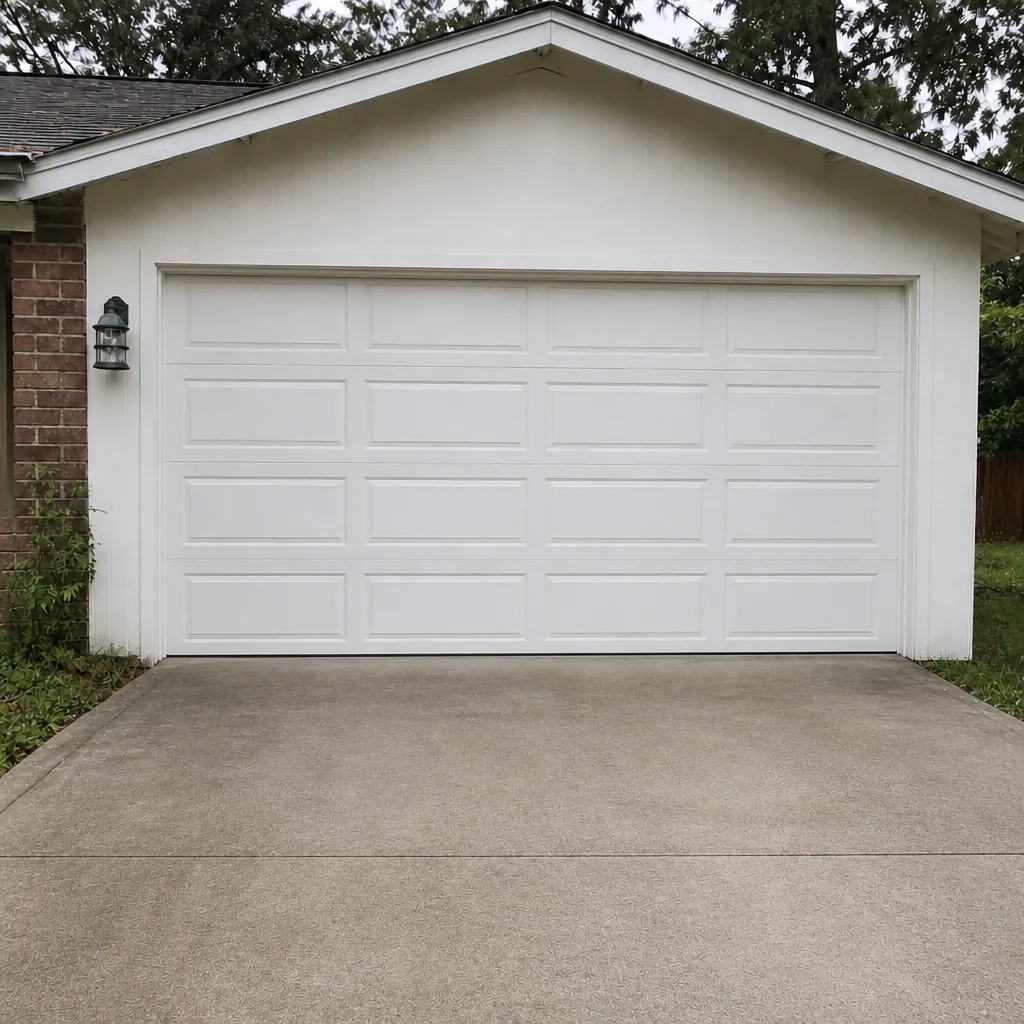
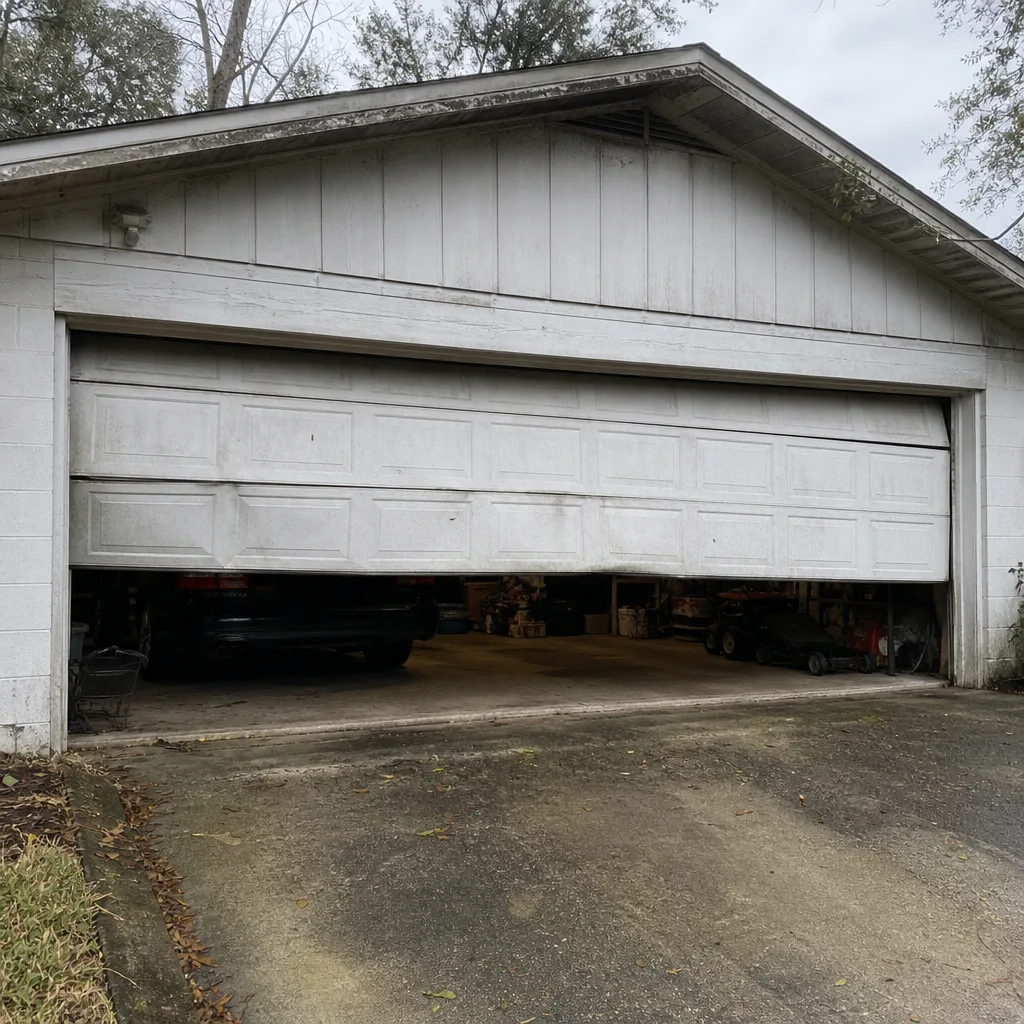
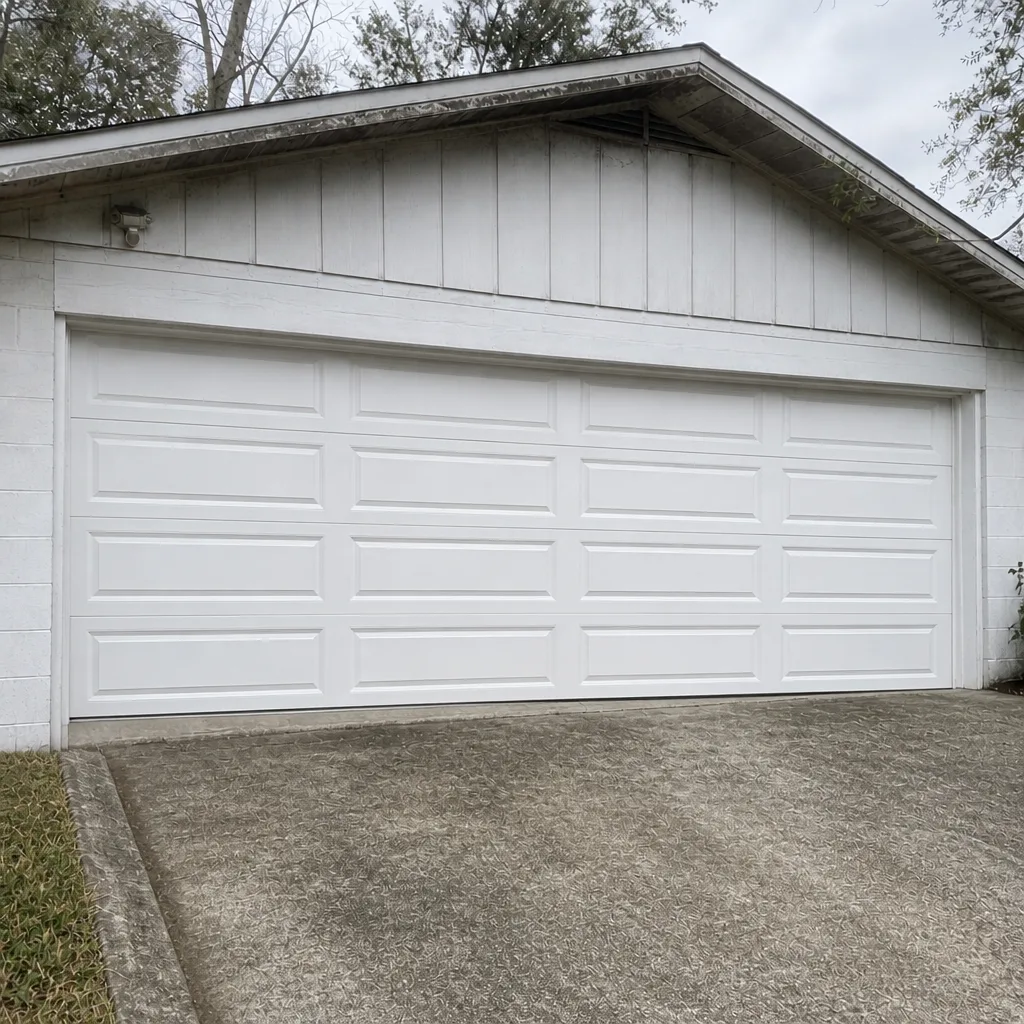
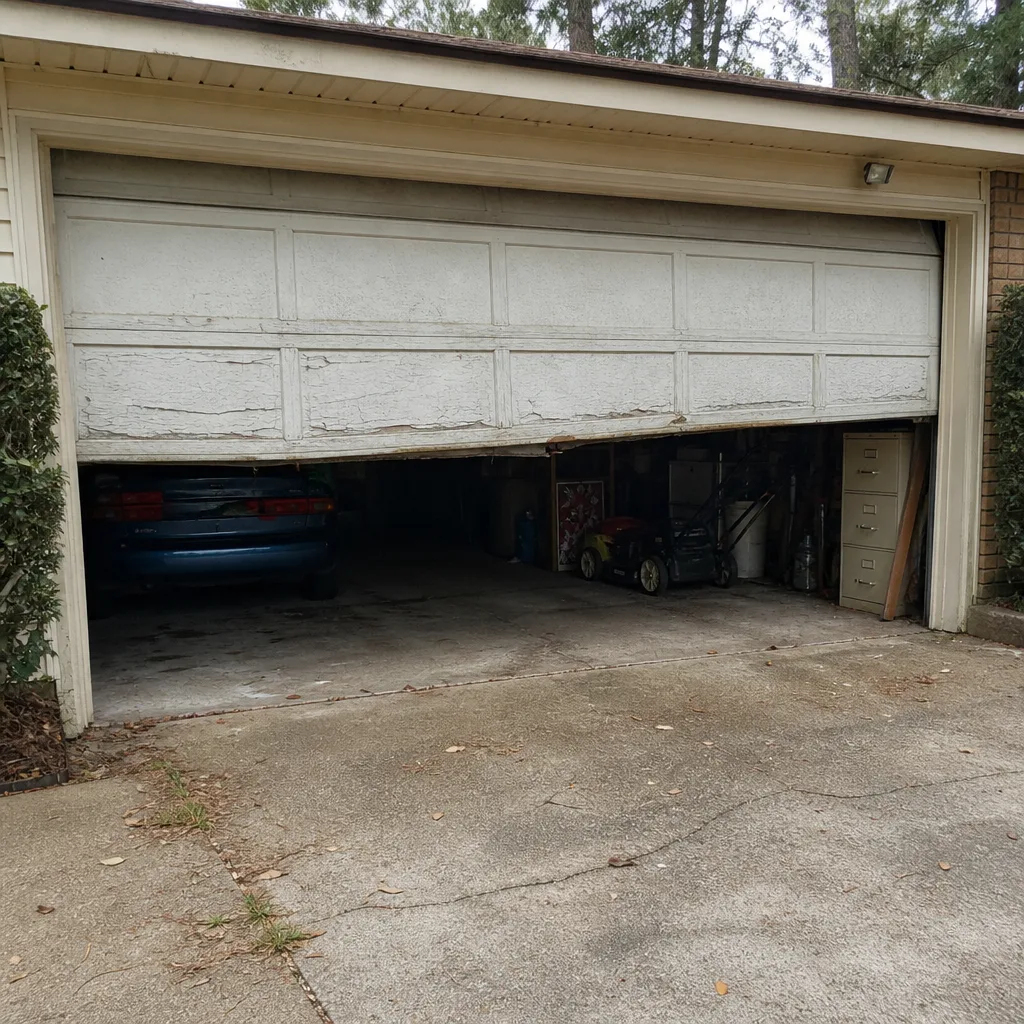
See the difference
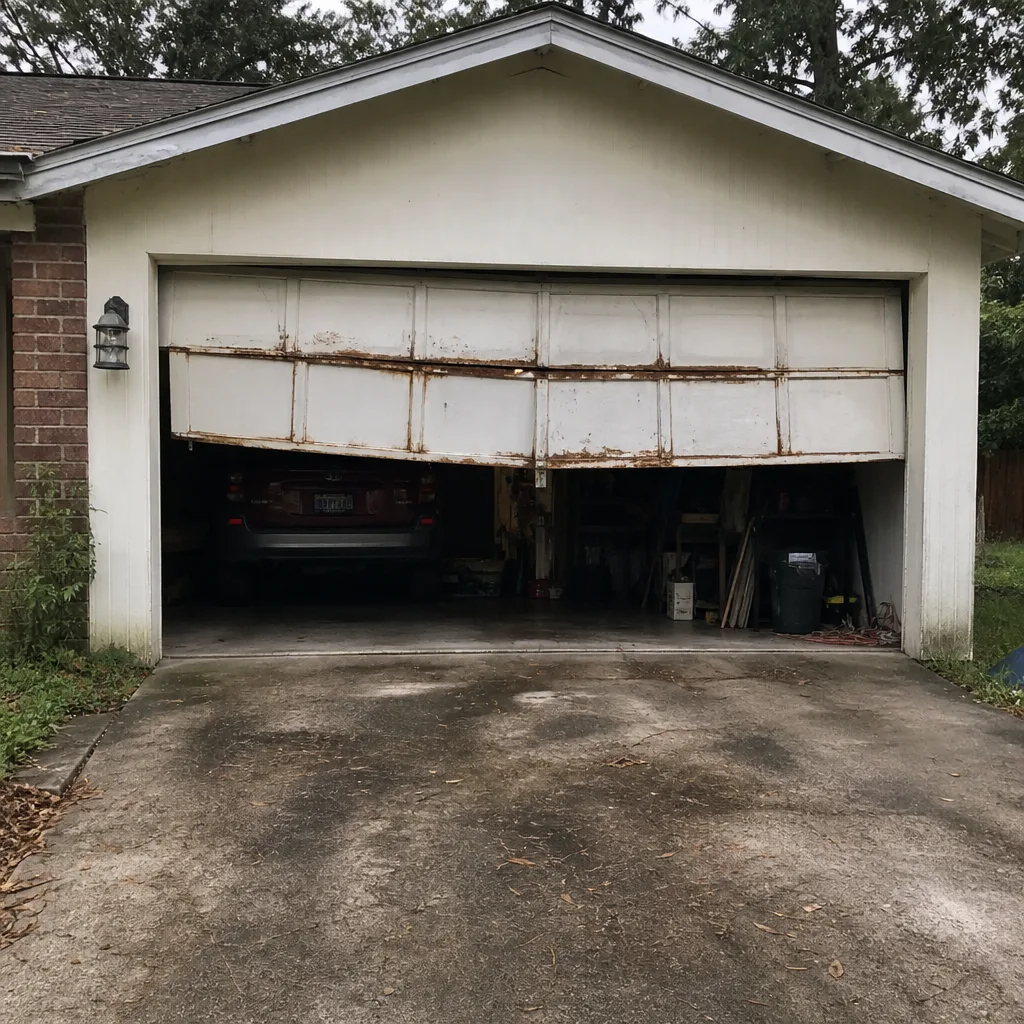 Before
 After
 Before
 After
 Before
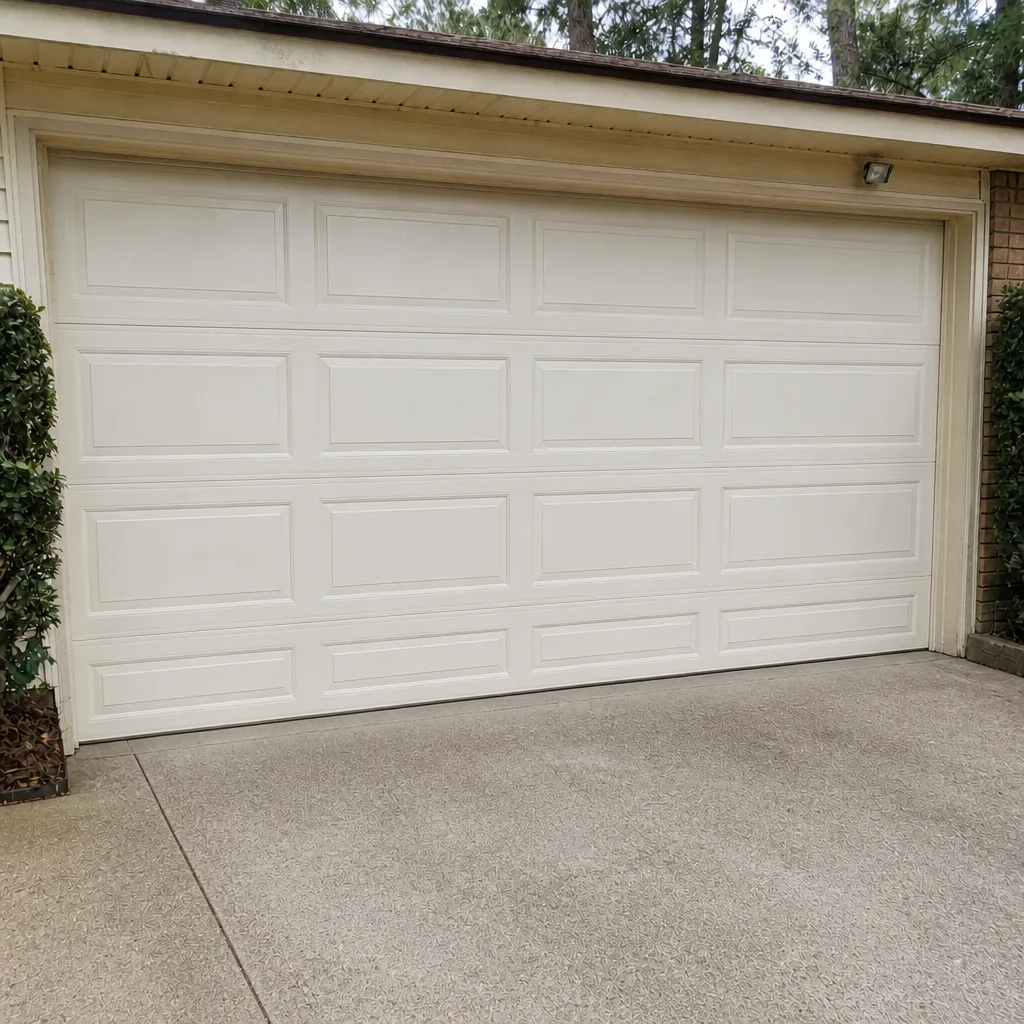 After
When to Call a Professional
Call a professional the moment the job touches a torsion spring, a cable, a drum, a bearing plate, or the safety reverse calibration on an opener. Call when the door has come off track after a vehicle strike or impact. Call when you hear a loud bang and the door won’t lift. Call when the opener hums but the door doesn’t move, or when the door reverses before it closes. Call before a full door replacement, because the permit and warranty questions are easier to handle with a licensed professional pulling them. And call when the DIY calculation is close, because a free estimate resolves the uncertainty without costing anything.
Tallahassee Garage Door Repair Experts offers free estimates in Tallahassee – call (844) 443-3895. Our technicians have up to 9 years of experience and work on the major brands, LiftMaster, Chamberlain, Genie, Clopay, Amarr, Wayne Dalton, Craftsman, and Raynor, so the diagnosis is specific to your equipment rather than a generic guess.
Frequently Asked Questions
A single torsion spring repair in Tallahassee typically runs $180 – $340, and a matched pair is usually replaced together, so a pair costs roughly double that. Extension spring replacement is a bit less. The price is quoted and agreed before any work starts, and the written estimate sets the final price. Call (844) 443-3895 for an exact quote – estimates are free.
We strongly advise against it. A torsion spring stores enough energy to lift a door weighing hundreds of pounds, and a slip during winding can cause serious injury in an instant. The risk isn’t exaggerated; it’s one of the more dangerous home repair tasks a non-professional can attempt. Our spring repair is handled as a dedicated specialty for that reason.
It can. Most major opener warranties, including for LiftMaster and Chamberlain units, cover defects in materials and workmanship but may require installation by a qualified technician. If the unit fails and the warranty claim hinges on installation, self-installation can put the claim at risk. It’s worth checking your specific warranty terms before deciding.
It depends on the job. Maintenance tasks like weatherstripping, lubrication, and roller replacement typically need no permit. Full door replacement and some opener installations may require one, and sometimes the permit must be pulled by a licensed contractor rather than the homeowner. Always ask the City of Tallahassee building department or Leon County directly for the current requirement.
Very often, yes. Emergency garage door service is part of our core offering, and a stuck door, a snapped spring, or a door off track is exactly the kind of urgent problem we handle for Tallahassee homeowners. Call (844) 443-3895 and we’ll tell you what’s available that day – estimates are free.
No. Every job is quoted and agreed before work begins, and the written estimate sets the final price. If a technician finds additional issues after arriving, they’ll explain what’s needed before doing any extra work.
The Bottom Line
The DIY-versus-pro decision for garage door work isn’t really about money – it’s about physics and liability. Weatherstripping, lubrication, roller swaps, and sensor cleaning are safe DIY jobs that save real money. Springs, cables, and tracking are not, because the physics involved means a mistake can cause injury, and in Florida a botched installation on a door that fails during a storm can turn into a liability problem. Opener work sits in the middle, where warranty and insurance questions usually tip the decision toward a professional. Run the math on tools, time, and risk before you decide, and don’t hesitate to call for a free estimate when the answer isn’t obvious. That’s the most useful habit any Tallahassee homeowner can build.
Written by the team at Tallahassee Garage Door Repair Experts.