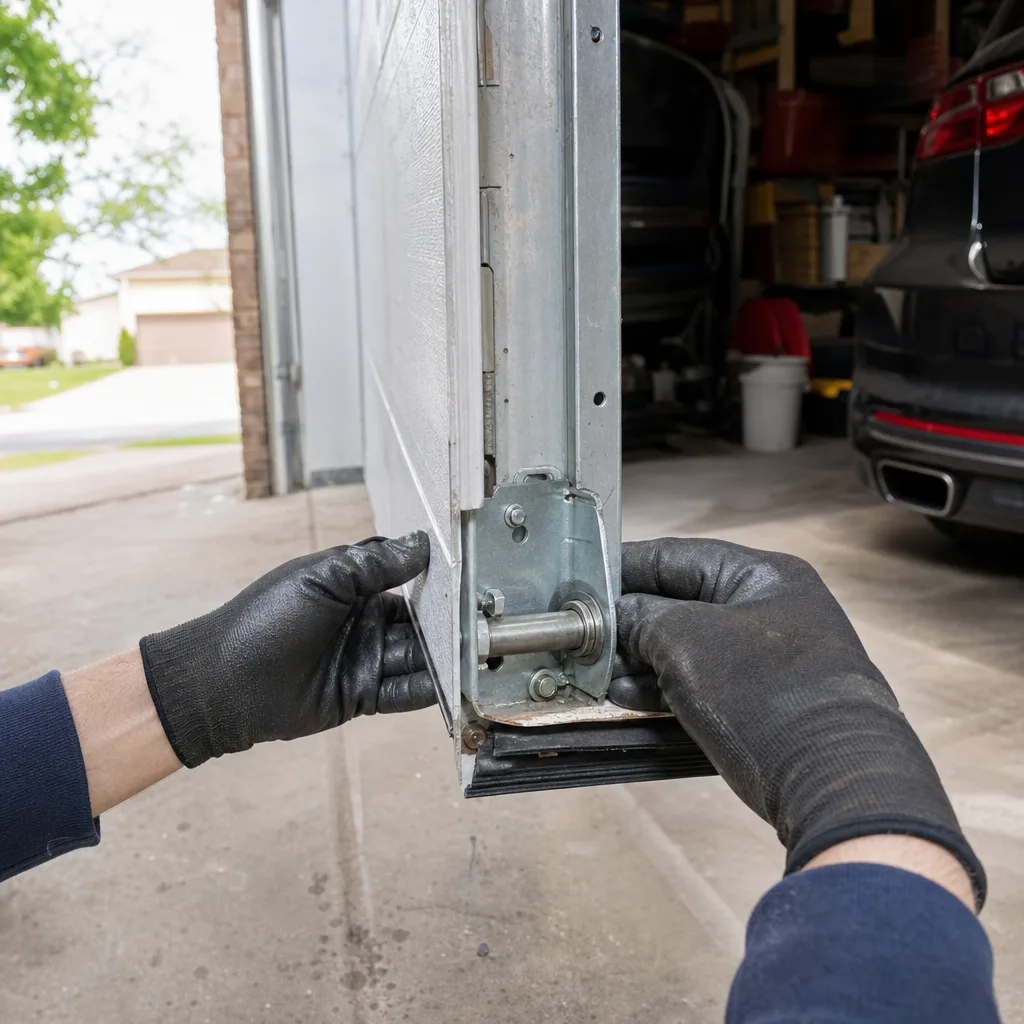
Last updated November 21, 2026
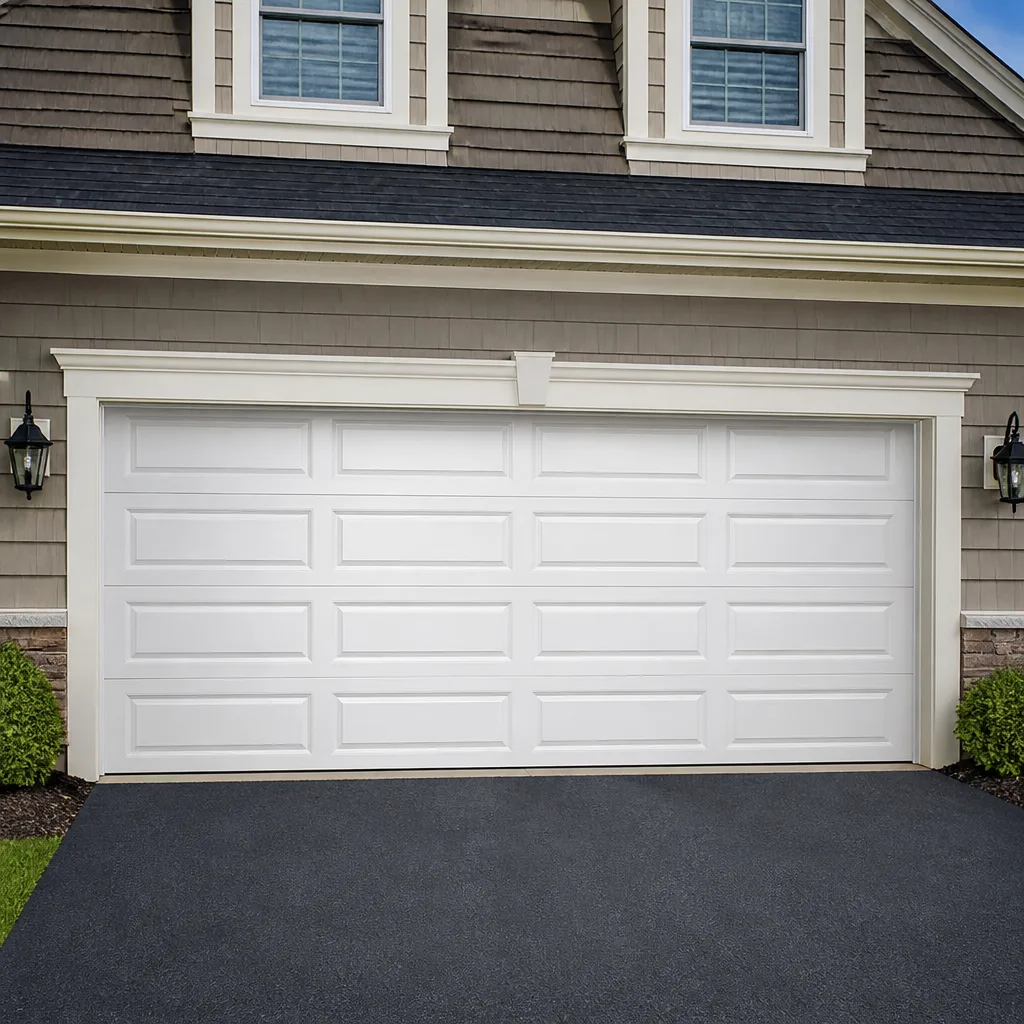 Raised-panel steel
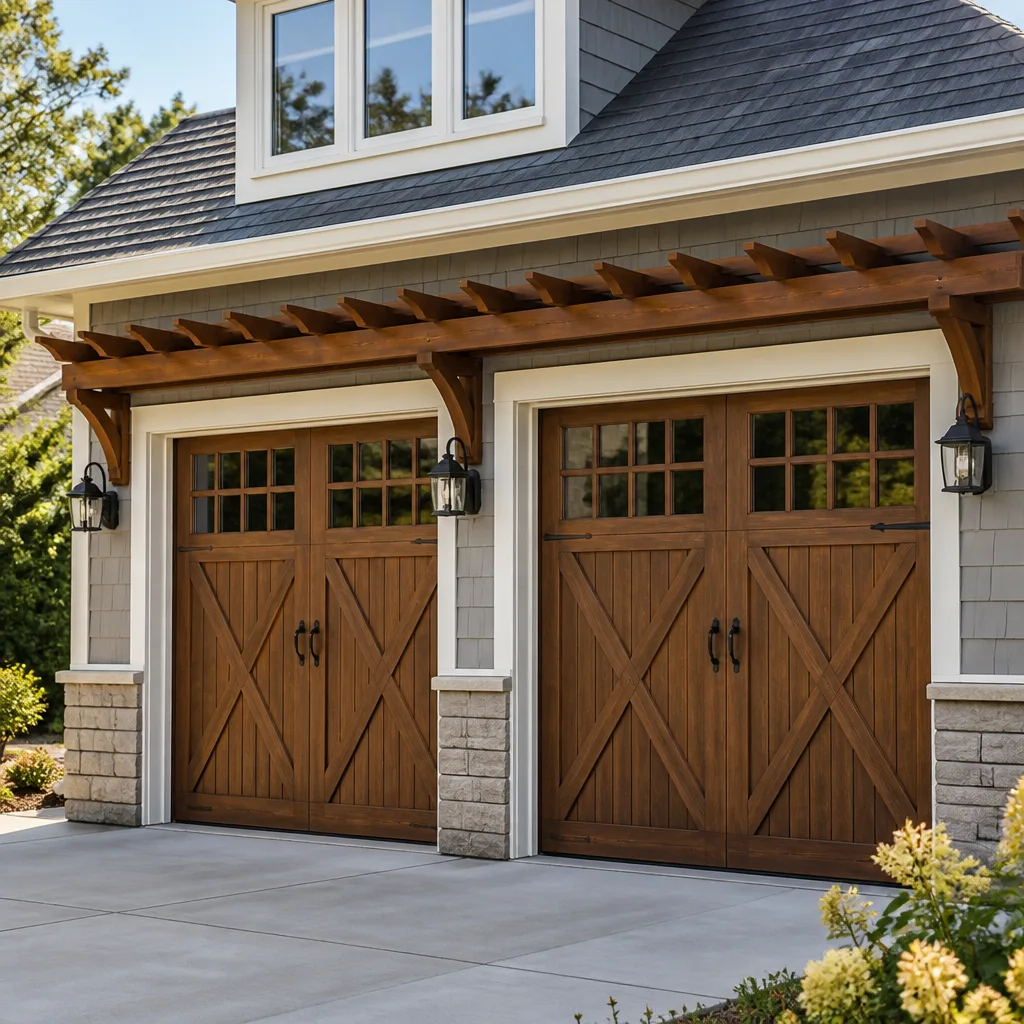 Carriage house
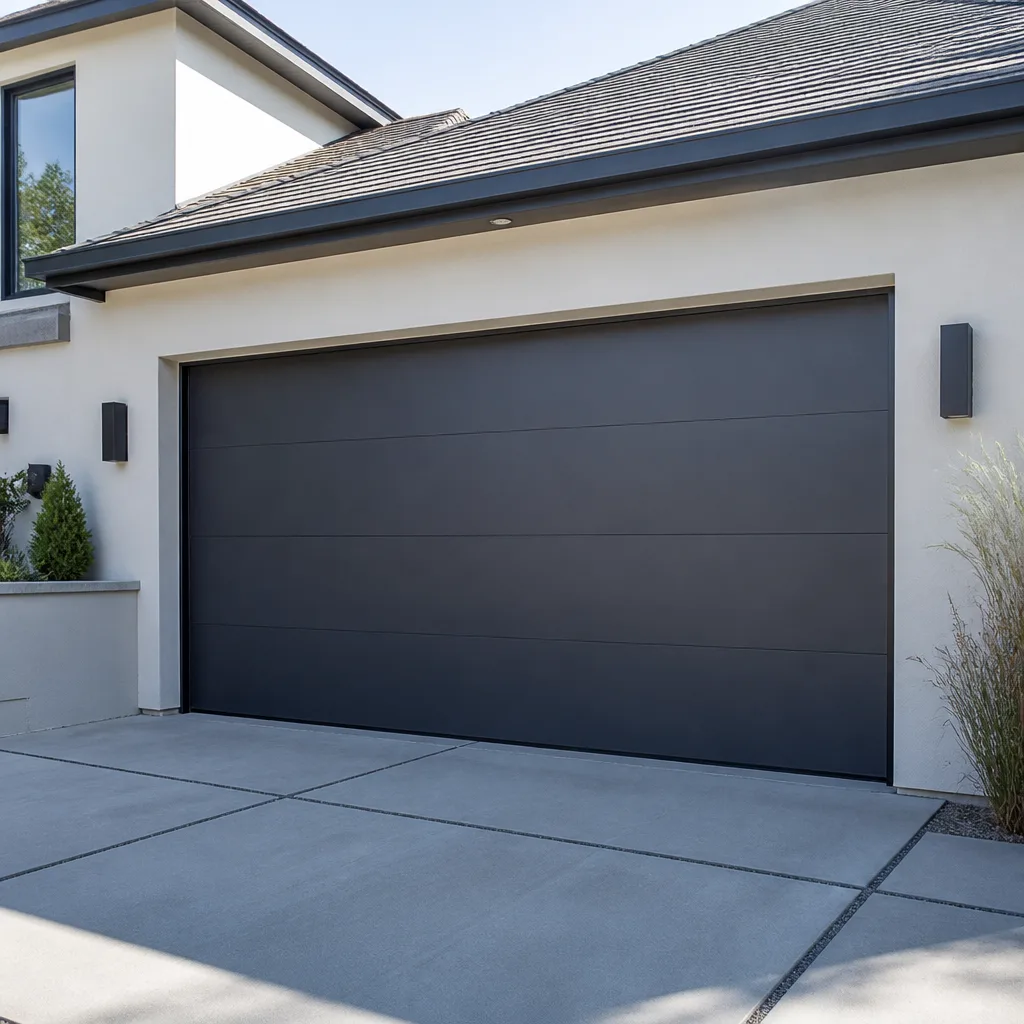 Modern flush
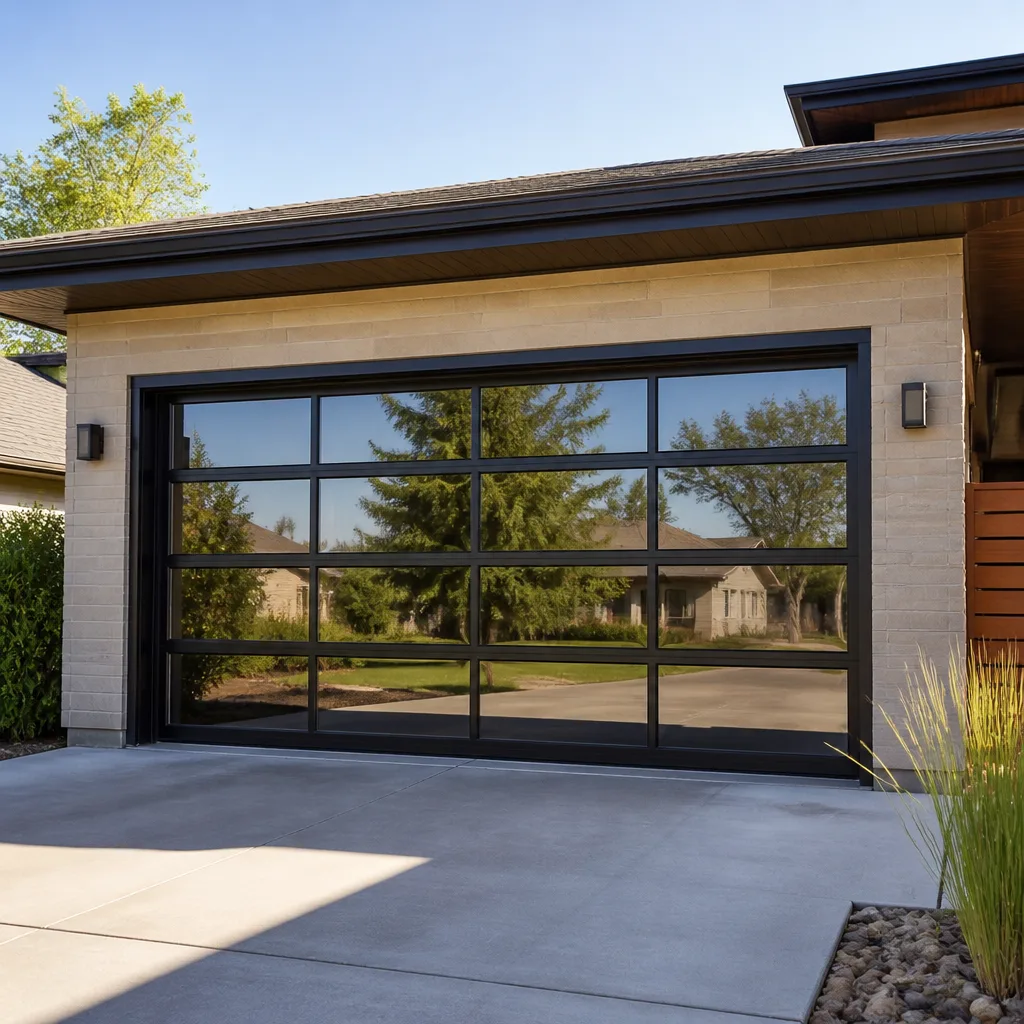 Full-view glass
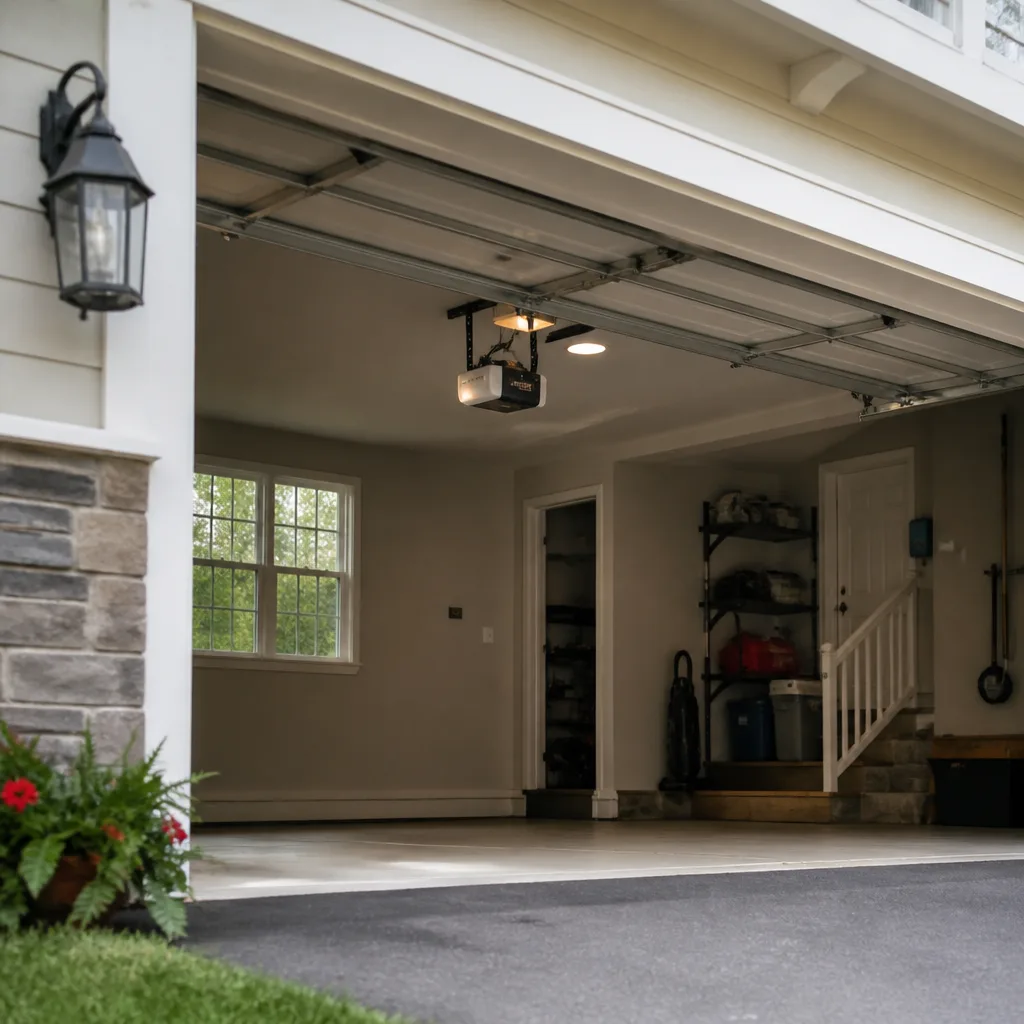 LiftMaster openers
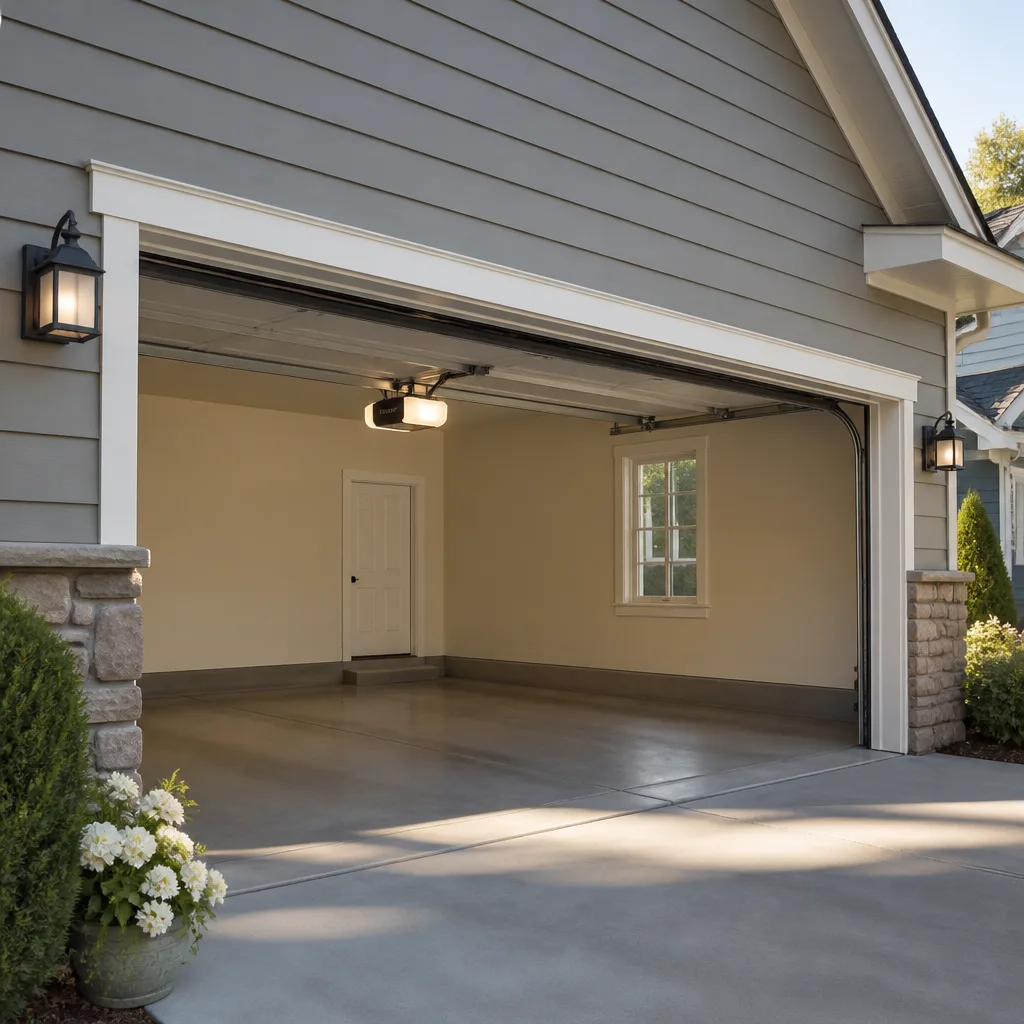 Chamberlain openers
Full 25-point door and opener safety check with every visit - springs, cables, rollers, tracks, and your LiftMaster or Chamberlain opener included
You get a price before we start. It does not change when the pro arrives.
Get your free estimateThe Complete Guide to Garage Doors in Tallahassee
Most garage door guides are written for homeowners in Phoenix or Chicago, and at least three of their standard recommendations are actively wrong here. Tallahassee’s humidity sits near 90% through the summer, thunderstorms roll through on a near-daily rhythm for months, and the soil under your slab moves in ways that drier places never see. A door that would last twenty years in the desert can warp, rust, or come off its track in half that time in Tallahassee. This guide covers the materials, hardware grades, wind ratings, and permit triggers that actually match our climate and our housing stock, plus the repair patterns we see most often.
Quick Answer
The best garage door for a Tallahassee home is a steel or aluminum door with a heavy-gauge backing, a wind-load rating that meets Florida’s requirements for your address, and torsion hardware rated for high-cycle use. Wood and low-grade steel warp, rust, or sag fastest in our humidity. Match the material and hardware to the climate first, then worry about color and style.
Styles & brands we work with
- Raised-panel steel
- Carriage house
- Modern flush
- Full-view glass
- LiftMaster openers
- Chamberlain openers
Table of Contents
- Why Tallahassee Wears Out Garage Doors Differently
- Clay Soil, Foundation Movement, and Doors Off-Track
- Which Door Materials Hold Up to Tallahassee Humidity
- Florida Wind-Load Ratings and Door Selection
- Hardware Grades Worth Paying For
- Choosing and Maintaining Your Opener
- Permit Triggers That Catch Homeowners Off Guard
- A Maintenance Rhythm for Tallahassee
- Repair or Replace: How to Decide
- Common Mistakes to Avoid
- When to Call a Professional
- Frequently Asked Questions
Why Tallahassee Wears Out Garage Doors Differently
Garage doors in Tallahassee face a combination that national guides routinely skip: sustained humidity, intense UV, frequent thunderstorms, and warm-season wind-driven rain. None of those is exotic on its own. Together, they change what fails and when.
Humidity is the big one. Moisture works into every seam, hinge, and track bolt. Steel panels start to rust from the inside out where the finish is thinnest, usually along the bottom edge and around the hinges. Wood doors absorb moisture and swell in a wet stretch, then shrink when the air dries out, and that cycle loosens joints and warps panels. Even the springs feel it: the air is wet enough that cheap hardware loses its edge to corrosion faster than a dry-climate guide would predict.
Thunderstorm wind adds another layer. A door that’s balanced and stiff in calm air can flex when gusts hit, and a weak or worn track gets pushed out of alignment. This is exactly why wind-load ratings matter locally, and why we treat installation as a structural choice rather than a cosmetic one.
UV does quiet damage to panels, gaskets, and weatherstripping. Rubber seals stiffen and crack, paint fades, and the small gaps that let conditioned air escape get bigger. If you’ve noticed your door sounding louder or moving less smoothly, humidity and UV are usually the reason.
The takeaway: pick materials and hardware for moisture first, then plan a maintenance rhythm around the thunderstorm season, not around someone else’s climate.
Clay Soil, Foundation Movement, and Doors Off-Track
Leon County sits on clay-heavy soil that swells when it’s wet and shrinks when it’s dry. That movement doesn’t stop at your foundation – it reaches the slab and framing around your garage, and a door that rode a track perfectly in March may scrape the frame by August. Doors go off-track in Tallahassee faster than in drier markets for this exact reason.
When the slab shifts even slightly, the track brackets move with it. The verticals tip out of plumb, the horizontal rails pull away from the wall, and the door starts to bind. Homeowners often blame the opener first, but the door is usually the one out of alignment.
A few signs that settlement is the culprit:
- One side of the door clears the frame and the other scrapes
- Gaps appear between the track and the wall, especially at the bottom brackets
- The door travels smoothly partway up, then binds or jerks
- Visible cracks in the slab or floor near the tracks
- Repeated trips or opener strain during the wet and dry swings of the year
Track adjustments help, but if the slab keeps moving, the fix won’t hold forever. A good technician will realign the tracks to account for seasonal movement rather than torquing everything down tight, which just transmits stress back into the panels. If your door keeps drifting off-track after two or three adjustments, ask about the slab and framing before you sink more money into repeat repairs.
Which Door Materials Hold Up to Tallahassee Humidity
Material choice is the single biggest predictor of how long a door lasts here. A premium door in the wrong material can fail sooner than a modest door in the right one. Here’s how the common options behave in Tallahassee humidity.
- Steel: The workhorse for good reason. A heavier-gauge panel with a factory-applied finish holds up well, especially when the inside is also treated or insulated. Thin-gauge steel is where rust shows up early, usually along the bottom edge. Clopay and Amarr both offer steel lines with different gauges and finishes worth comparing.
- Aluminum: Won’t rust, which is its main draw, but it dents more easily and needs careful panel handling. Good for some applications, less so where kids’ bikes and lawn equipment are part of daily life.
- Wood: The riskiest choice in a humid climate unless it’s a fully protected composite. Real wood warps and swells with seasonal moisture swings. If you want the wood look, a composite or a wood-look steel door is usually the safer call.
- Composite and fiberglass: Moisture-resistant and lighter, though some composites get brittle in strong sun over time. Worth looking at for certain styles.
The details of the finish matter as much as the material. Factory-finished steel outlasts field-painted steel, hinges and bolts should be galvanized or stainless, and sealed bottom edges stop moisture from wicking up into the panel core. If you’re comparing doors, ask about the gauge of the steel and how the finish is applied, not just the color.
Florida Wind-Load Ratings and Door Selection
Florida requires garage doors to meet wind-load ratings based on where the home sits. Wind speeds differ across the state, and the requirements for your address depend on the local building code and the wind zone your property falls in. This is where local guidance beats a generic national recommendation – a door built for a mild-inland market may not be rated for what your Tallahassee property should carry.
What matters for door selection:
- Know your zone: Ask your city or county building department what rating your address requires. Don’t guess from what a neighbor or a catalog says.
- Look at the labeled rating: A compliant door carries a wind-load rating on its label. A door without one may be fine for interior use but not for your exterior opening.
- Reinforce weak spots: Rated doors often come with heavier hinges, upgraded brackets, and sometimes vertical reinforcement posts. These are not optional upgrades on a rated installation.
- Verify the installation, not just the door: A rated door in a poorly anchored frame doesn’t earn its rating. The framing around the opening has to be solid, and the installation has to match the door’s spec.
Wind-load ratings also affect opener choice and how the door retracts. Heavier panels need stronger hardware and a properly sized opener to handle the weight safely. If you’re replacing an older door, don’t assume the existing opener will carry a new, heavier, rated door – verify it or plan to replace it.
Hardware Grades Worth Paying For
Hardware is where cheap doors quietly fail first. In a humid climate, the difference between a standard spring and a heavier-gauge spring is measured in years, not months, and the difference shows up long before the door looks worn.
Where to spend the extra money:
- Spring cycle ratings: Standard torsion springs are commonly rated for a set number of cycles (an opener trip counts as one cycle, so daily use adds up fast). Higher-cycle springs cost more up front but last substantially longer. In a household where the door opens several times a day, that upgrade pays for itself.
- Spring wire diameter and steel quality: Heavier wire and better steel hold up against the moisture that eats thinner springs. Ask what’s in the spring, not just what it costs.
- Galvanized or stainless hinge and bolt hardware: Standard zinc-plated hardware corrodes faster here. Heavier-gauge hinges and stainless or galvanized bolts prevent the seized fasteners that make later repairs harder and costlier.
- Reinforced brackets: Especially on rated doors, heavier angle brackets resist the flex that comes with wind and daily use.
- Sealed bearings on the rollers: Small upgrade, big difference in noise and longevity.
Any door with a torsion spring carries stored energy that can cause serious injury if a spring or cable fails while you’re working on it. Spring replacement is one of the highest-risk repairs in the trade and deserves a trained technician, not a weekend attempt.
Choosing and Maintaining Your Opener
Your opener is where most Tallahassee homeowners first notice a problem: the door that used to glide now sounds labored, reverses for no apparent reason, or stops halfway up. In our experience, the door itself is often the real issue, and the opener is just the messenger. Tracks out of plumb from slab movement, worn springs, and stiff rollers all put extra strain on a chain or belt that wasn’t built to fight them.
For smart-home integration, LiftMaster and the Chamberlain myQ ecosystem are the two most common families we work with, and they each have their own quirks. Legacy openers from Genie and older Chamberlain models behave differently again. Knowing the brand matters for diagnostics: a symptom that points to one fix on a LiftMaster might mean something else entirely on a Genie. If you’re having trouble, look at our garage door opener repair page and describe the symptom when you call.
A short preventive rhythm helps:
- Test the safety reverse once a month by placing an object in the door’s path.
- Look at the opener rail for looseness and the chain or belt for slack.
- Listen for new grinding, rattling, or a change in pitch – those often show up before a full breakdown.
- Keep the opener housing clear of debris and check the wall control for dead batteries.
- If the opener keeps reversing or stops short, stop forcing it; something else is wrong.
Permit Triggers That Catch Homeowners Off Guard
Permit rules trip up a lot of Tallahassee homeowners during what feels like a routine replacement. Replacing a door or opener might seem like swapping a fixture, but the building department may have different expectations – especially when a door change affects the wind-load rating or the structural framing around the opening.
When a permit may be required:
- Replacing the door with a different rated model or a different size
- Changing the opening or reinforcing the frame
- Any work that touches the point where the door meets the wall or header
Our plain advice: before you order a new door, call the City of Tallahassee or Leon County building department and ask whether your specific job needs a permit. Get the answer in writing if you can. A contractor who works on this regularly will know the local rules, but the building department is the final word, and a quick call beats discovering an issue at resale or after a storm.
A Maintenance Rhythm for Tallahassee
There’s no universal schedule, but here’s a realistic rhythm that fits our climate. Adjust it based on how often your door is actually used and what it’s made of.
- Monthly: Test the reverse function and listen for changes in sound or feel. Wipe the tracks clean of grit and debris; a dirty track is a slow way to wear out rollers.
- Seasonally: Lubricate moving parts (hinges, rollers, springs) with a product made for garage door hardware. Check for rust spots and touch them up before they spread. Look at the weatherstripping around the opening and replace it if it’s cracked or stiff.
- Before storm season: Inspect the tracks for looseness or misalignment and confirm the door sits even in the frame. Walk around the slab edge for fresh cracks. If you’ve had a storm, inspect the door frames and panels for damage even if the door still works.
- Fall: Have a technician check the springs and balance. A spring that’s losing tension gives you warning signs before it fails, and a professional can catch them.
If your door runs more than a couple of times a day – common for a home office or a household with multiple drivers – tighten that rhythm. Ask a technician to check spring wear and balance once a year.
Repair or Replace: How to Decide
The trigger is usually clear: a snapped spring, a door that’s badly off-track, or a panel rusted all the way through. The harder calls are the ones that add up quietly – a door that’s noisy, sluggish, and needs one small repair after another.
Replace when:
- Several panels are rusted or warped and the door is older
- Tracks are badly bent or out of alignment beyond a routine adjustment
- The springs have reached the end of their rated cycles and the hardware is tired
- You want a rated door and the current one isn’t rated for your address
- The door is causing opener problems repeatedly because it’s stiff or imbalanced
Repair when the damage is isolated: a single spring, a noisy roller, a hinge, a sensor, or a door that’s off-track but structurally sound. A good technician will tell you which path makes sense instead of pushing a sale. If you’re weighing options, our garage door repair team can inspect the door and explain what needs fixing versus replacing. And if the project really is a full swap, the garage door installation page walks through what to expect, from measuring to the finished door.
Common Mistakes to Avoid
- Choosing a door by looks alone. A door that fits a Phoenix brochure can be a poor choice here if the finish, gauge, or rating doesn’t match our climate and code. Match the material and rating first.
- Trying to replace springs yourself. Torsion springs store dangerous energy, and a slip can cause serious injury. This is exactly the job a trained technician handles with the door supported and the tension properly released.
- Ignoring off-track signs. A door that scrapes or drifts is telling you about alignment problems that get worse if you keep forcing it. Catch it early before panels or tracks take permanent damage.
- Skipping the permit question. Assuming a replacement needs no permit – or that it always does – leads to rework or problems later. Ask the City of Tallahassee or Leon County before you order.
- Putting a heavy new door on an old opener. A rated or insulated door is heavier, and an old opener may not be rated to carry it. Check the opener before you commit to a new door.
- Waiting for the spring to fail. A spring that’s losing tension gives warning signs. Balance checks catch them before a breakdown leaves you locked out.
- Letting the door lag on maintenance because it “still works.” Small rust spots, dry weatherstripping, and dirty tracks turn into big problems fast in our humidity. Time to act on the early signs.
When to Call a Professional
Some jobs are routine maintenance; others need a trained hand. Call a professional when a spring snaps or the door won’t stay up, when the door is off-track or scraping the frame, when the opener runs but the door doesn’t move, or when a reversal problem repeats after you’ve checked the basics. Call when you want a rated door verified for your address, when you’re weighing repair against replacement, and when the slab or frame shows cracks near the tracks. Those situations benefit from a trained eye and the right parts. Tallahassee Garage Door Repair Experts offers free estimates in Tallahassee, and we work with major brands including Chamberlain and Genie, so the call is about your specific door, not a generic script. Call (844) 443-3895.
Frequently Asked Questions
Most garage door repairs in Tallahassee cost between $150 and $500 depending on the part and the job, with spring replacement, bracket repair, and opener issues falling in that range. Prices are estimates and the written quote sets the final price. Call (844) 443-3895 for an exact quote – estimates are free.
Once a year is a good baseline in Tallahassee, especially before storm season, with a quick check in between if the door is used heavily. The humidity and soil movement here make spring and track checks more valuable than in a drier market.
Heavier-gauge steel with a factory finish is generally the safest choice for Tallahassee because it resists humidity and UV well. Aluminum, composite, and wood each have trade-offs; wood in particular tends to warp and swell in a humid climate. The finish details and hardware matter as much as the material.
Often you do, especially if the new door has a different rating or size, or if the framing around the opening changes. The answer depends on your specific job, so ask the City of Tallahassee or Leon County building department before you order. A door rated for your address is the goal.
Spring repair is often something we can handle quickly once we confirm the right spring and the door’s condition, and we treat it as a dedicated service rather than an add-on. If a spring has snapped and the door is stuck or unsafe, call (844) 443-3895 and we’ll talk through options – emergency service is part of what we offer.
The vetted local professionals we connect you with are licensed and insured as their state requires, and our technicians have up to 9 years of experience. If you want the details for your specific job, ask when you call – it’s a fair question and we’re happy to walk through it. Call (844) 443-3895 for a free estimate.
The Bottom Line
Garage door problems in Tallahassee come down to three forces: humidity, storm wind, and soil movement. Materials and hardware chosen for a drier climate won’t hold up here. Pick a heavier-gauge steel or properly rated door, invest in better springs and corrosion-resistant hardware, ask the building department about permits before you order, and keep a simple monthly and seasonal maintenance rhythm. When something fails – a spring, a track, an opener – get it looked at before a small issue becomes a costly one. If you want an honest read on repair versus replace, call (844) 443-3895 for a free estimate from Tallahassee Garage Door Repair Experts.
Written by the team at Tallahassee Garage Door Repair Experts.
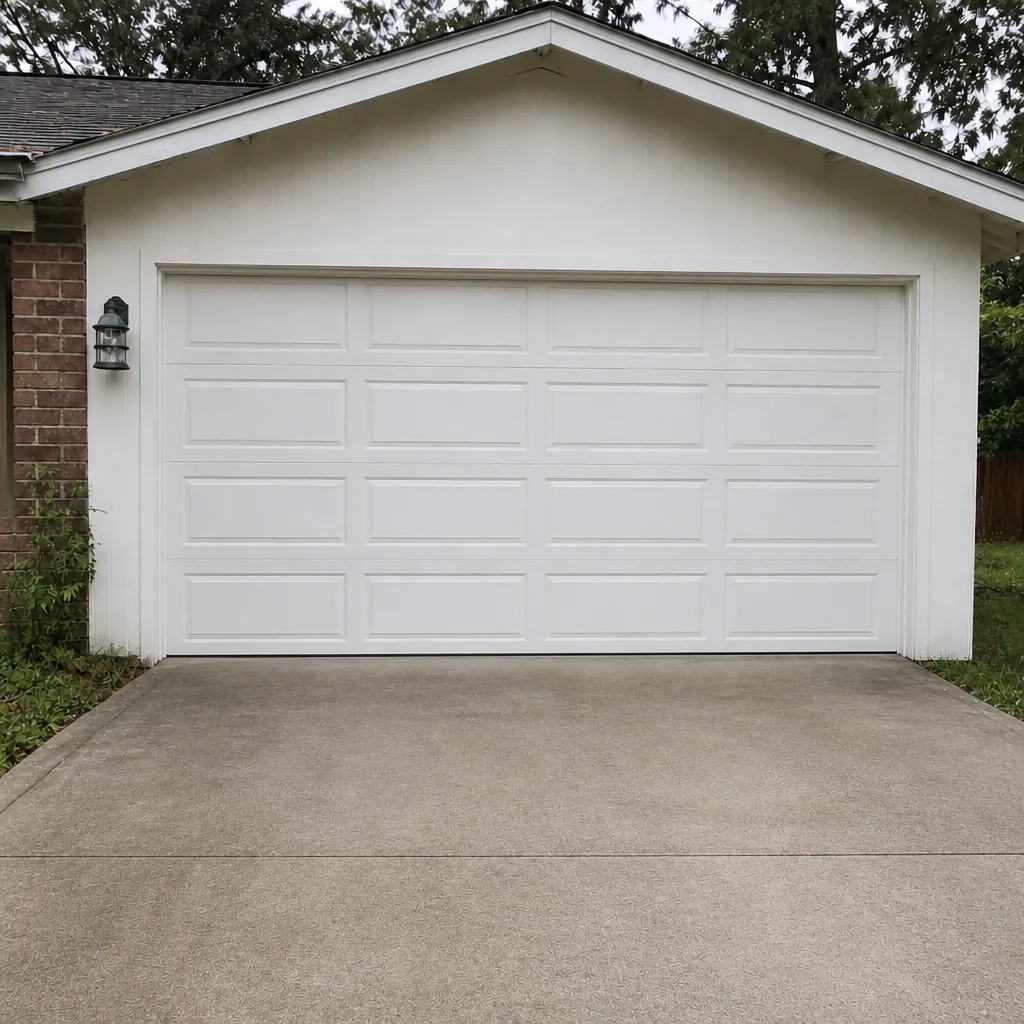
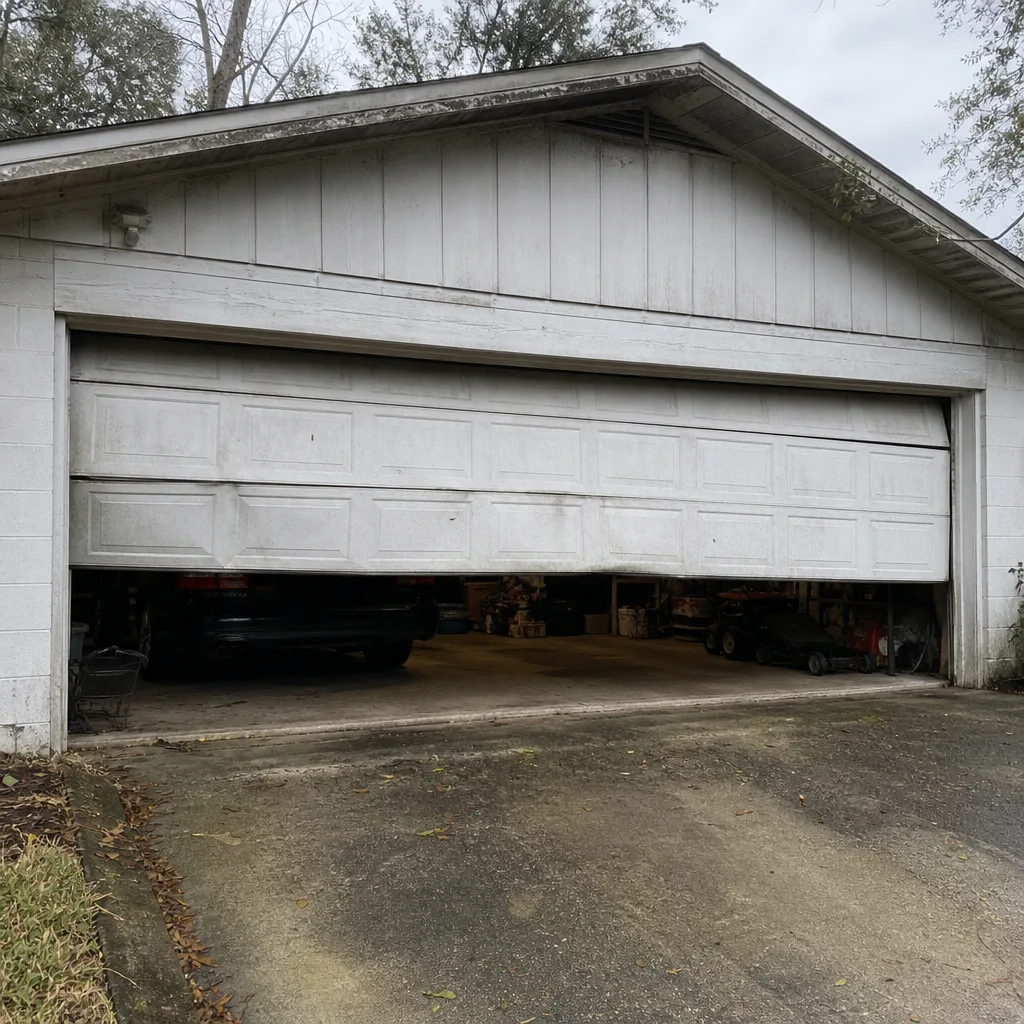
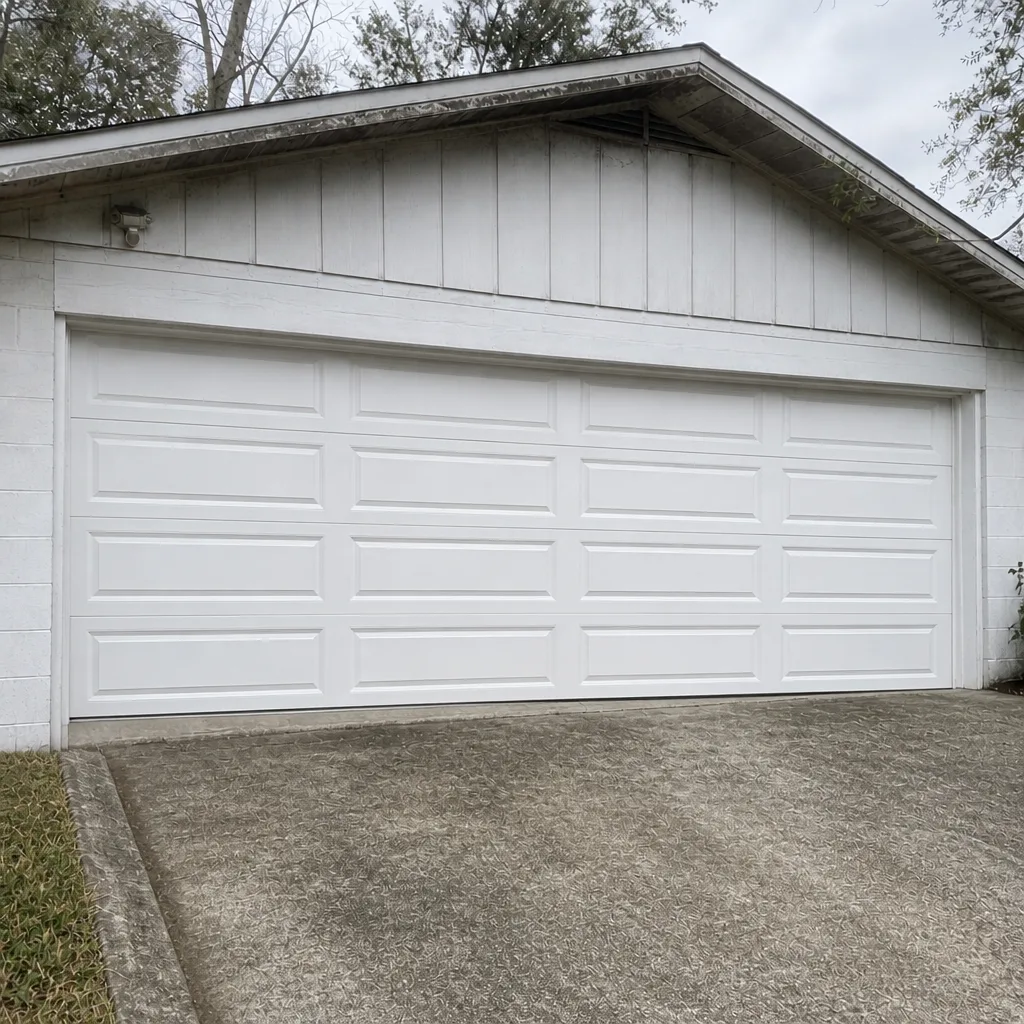
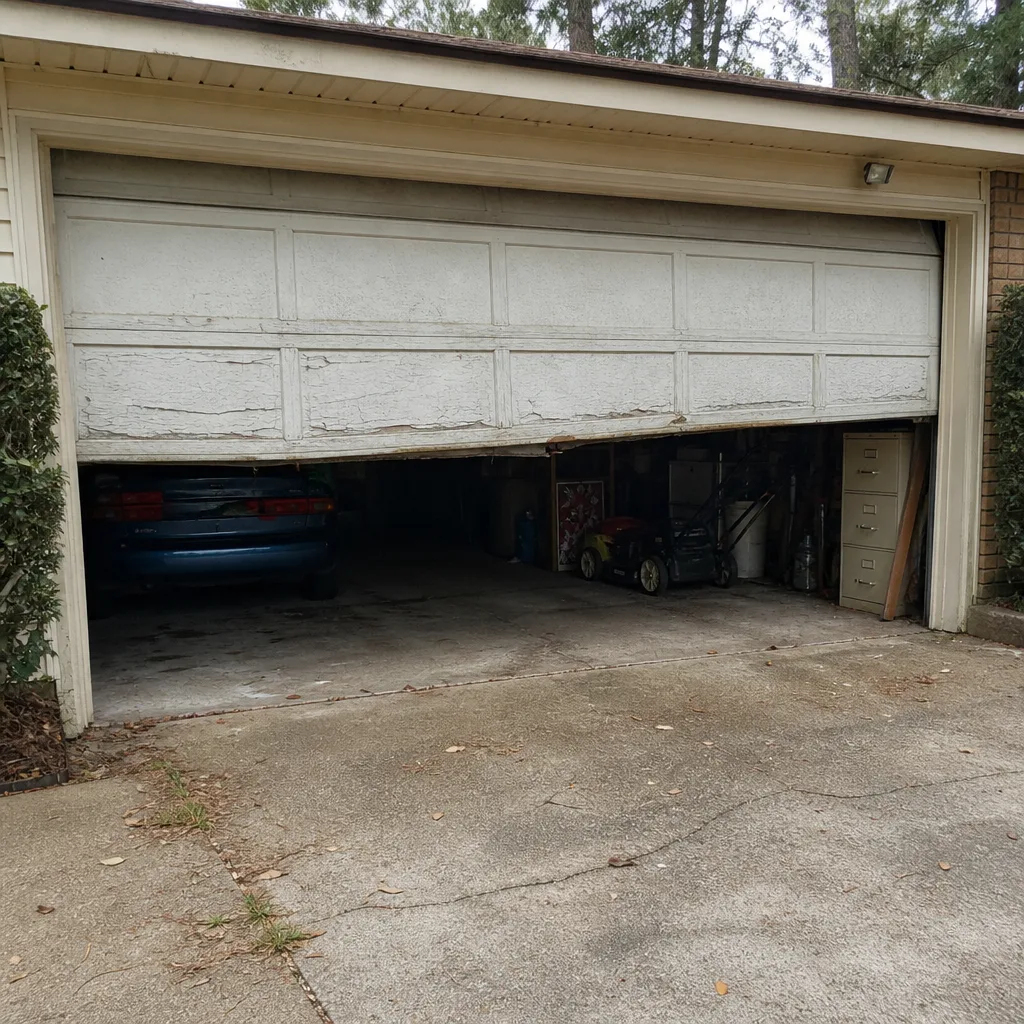
See the difference
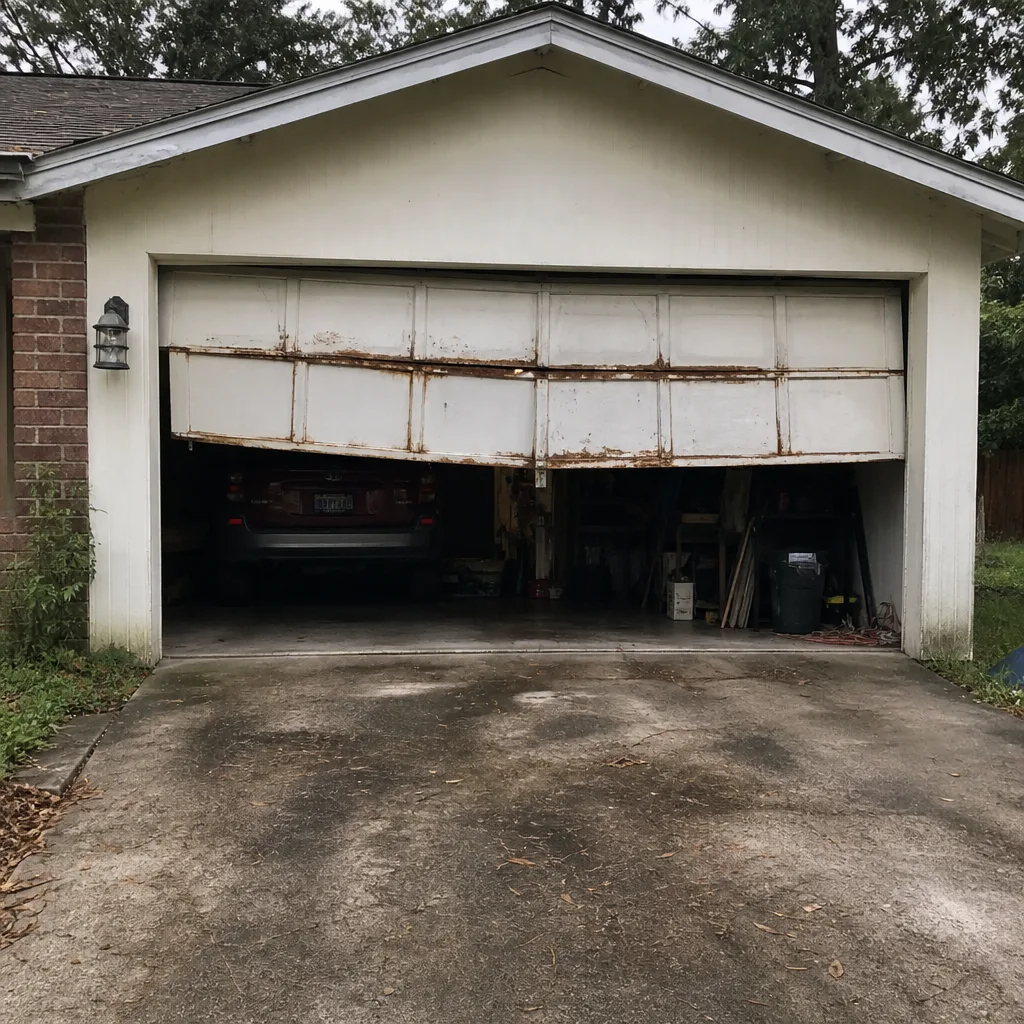 Before
 After
 Before
 After
 Before
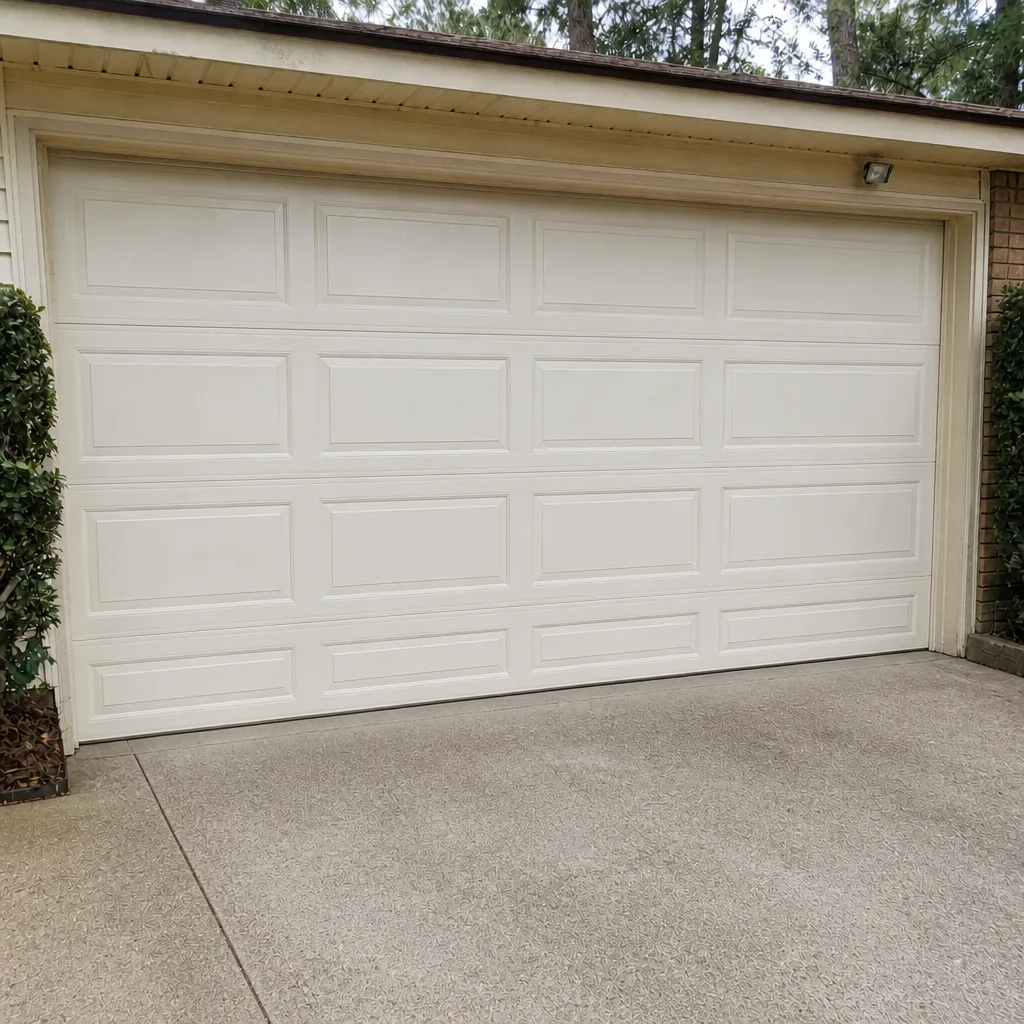 After