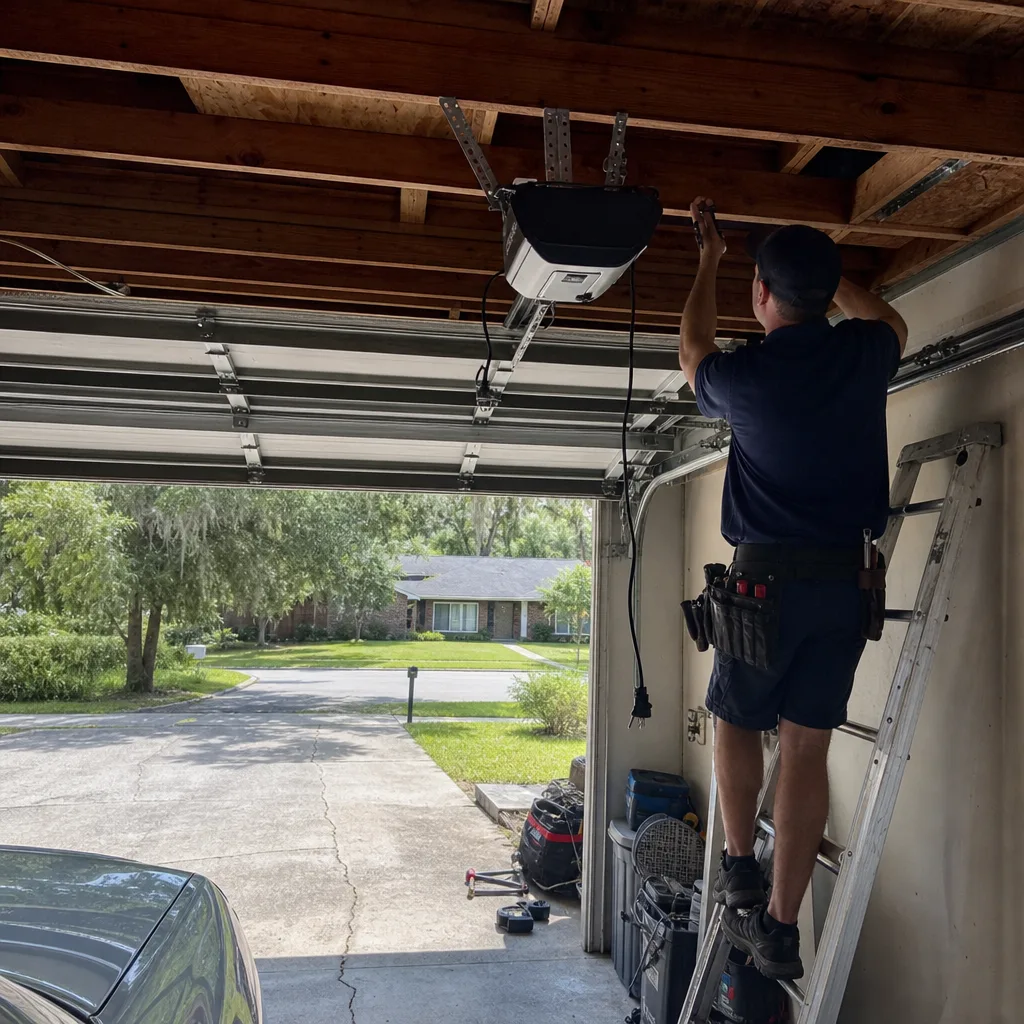
Last updated November 21, 2026
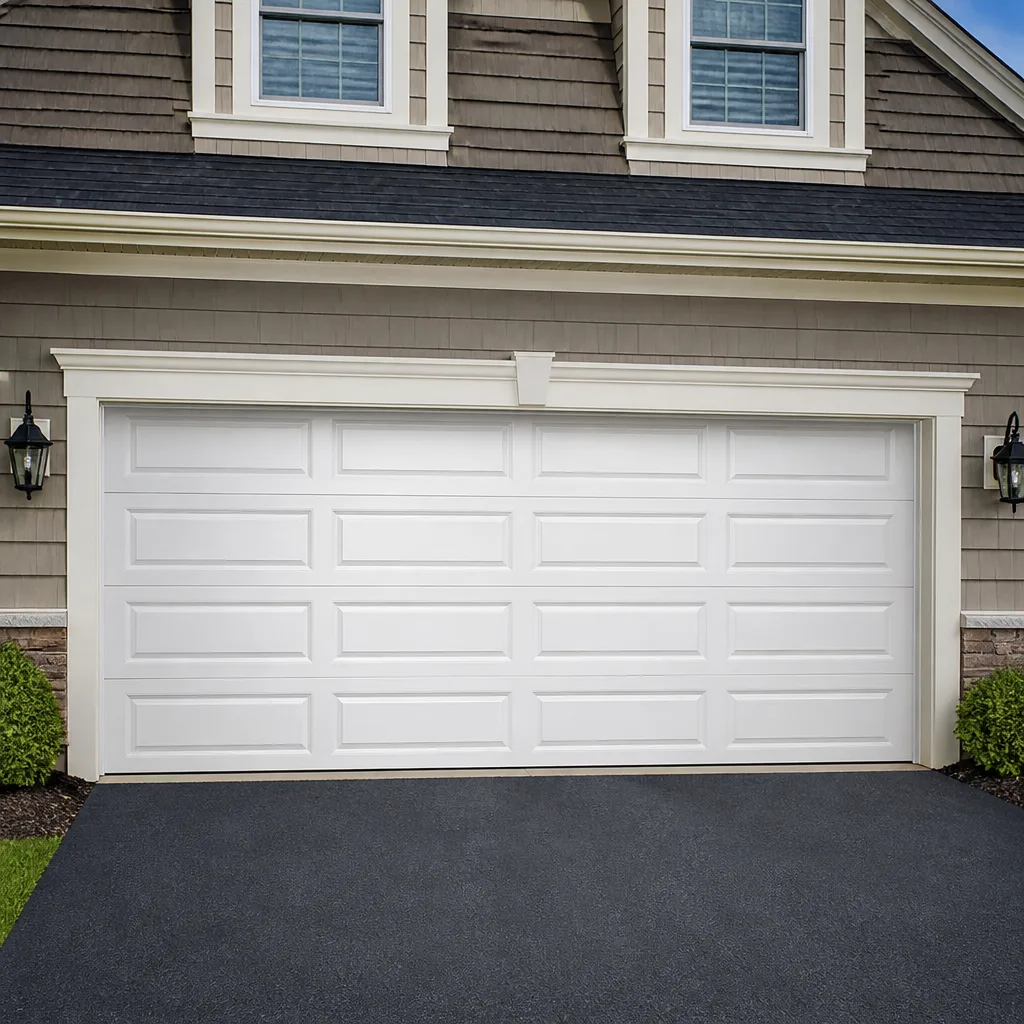 Raised-panel steel
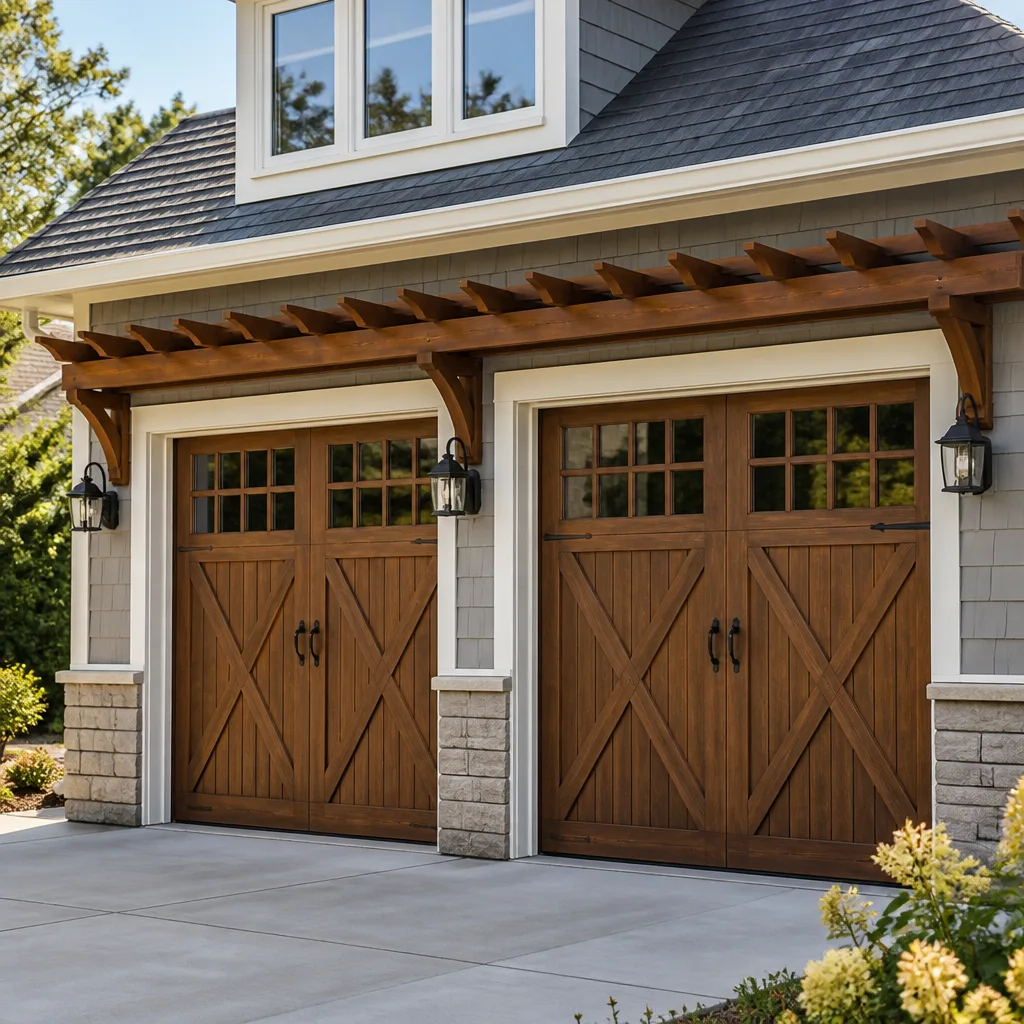 Carriage house
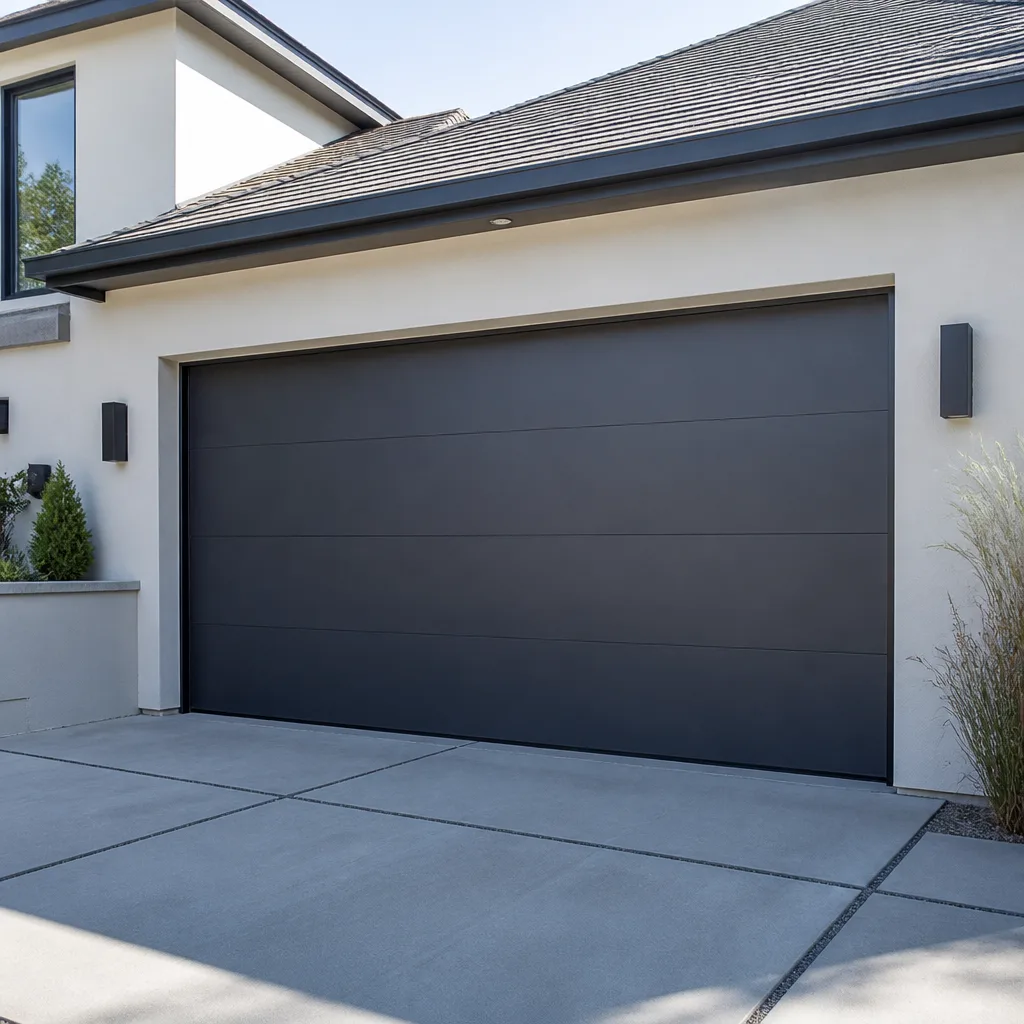 Modern flush
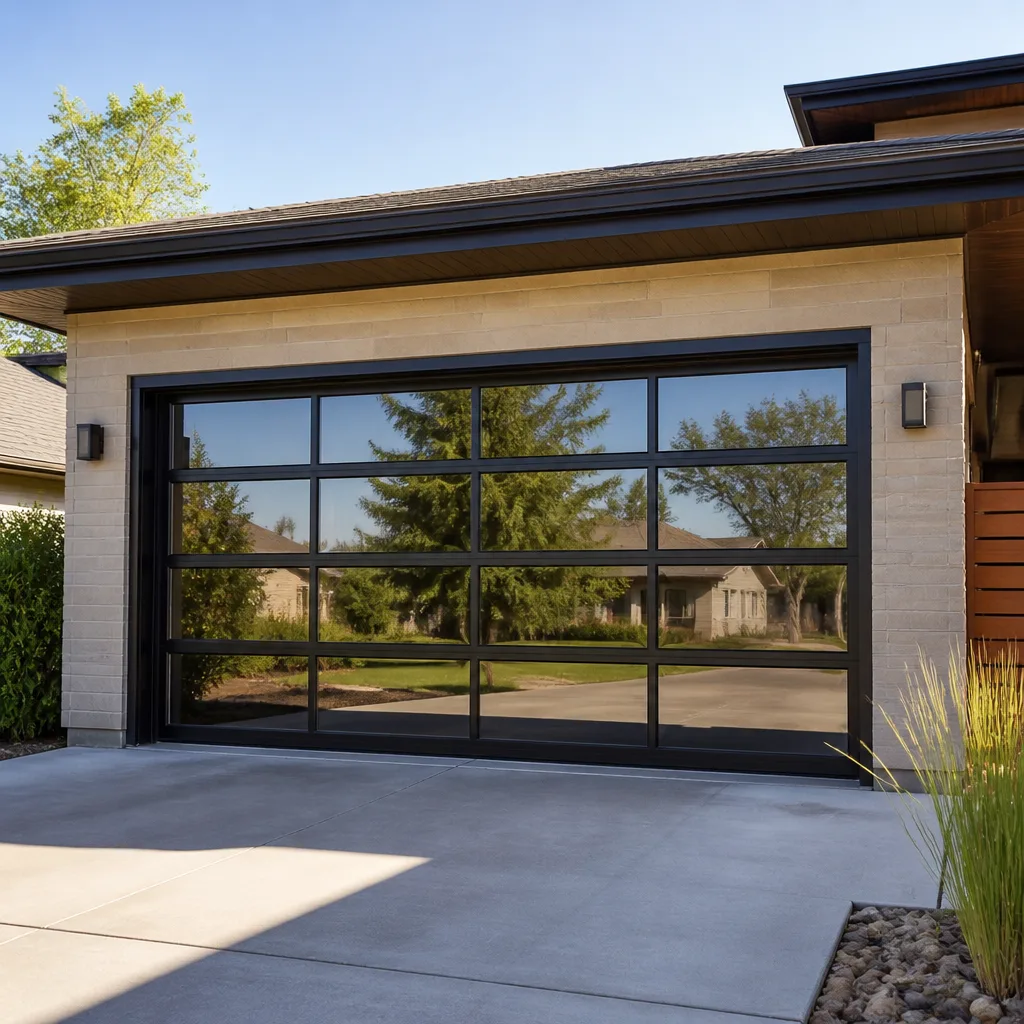 Full-view glass
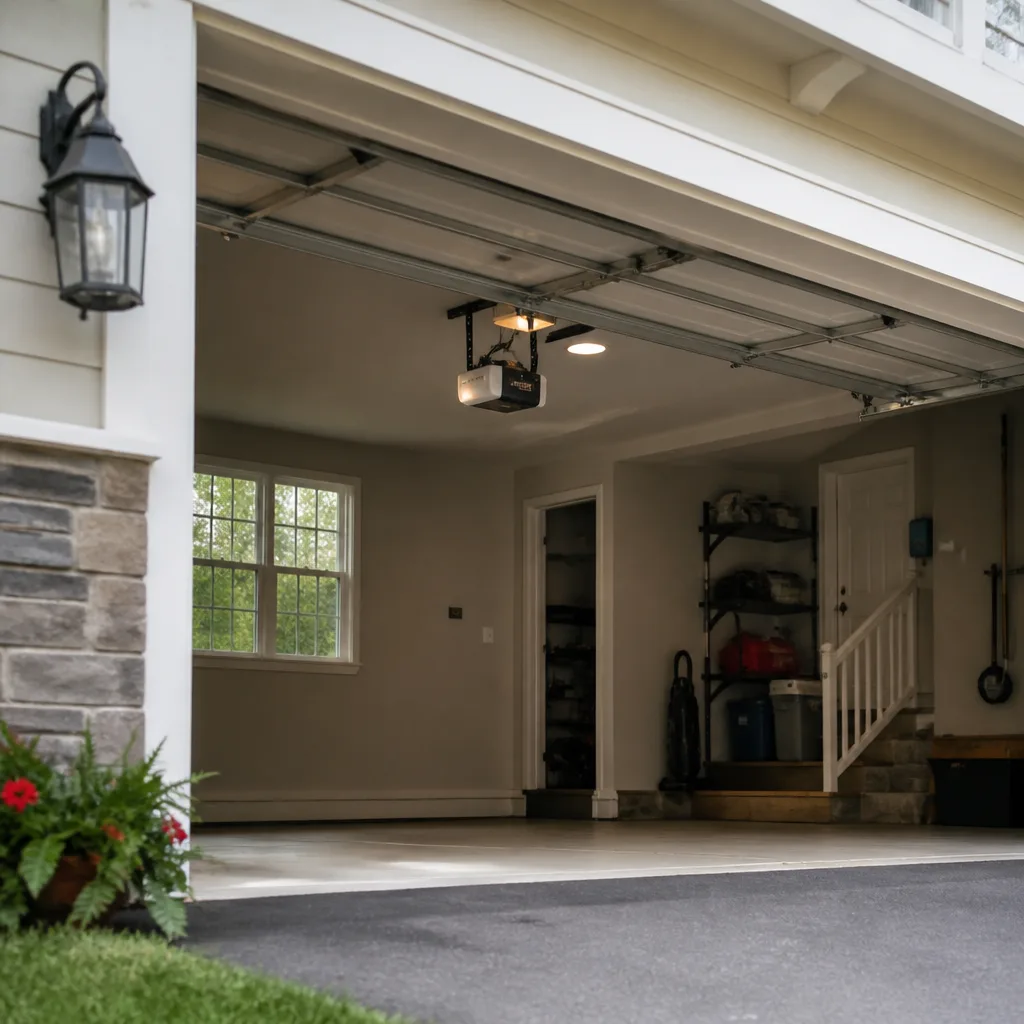 LiftMaster openers
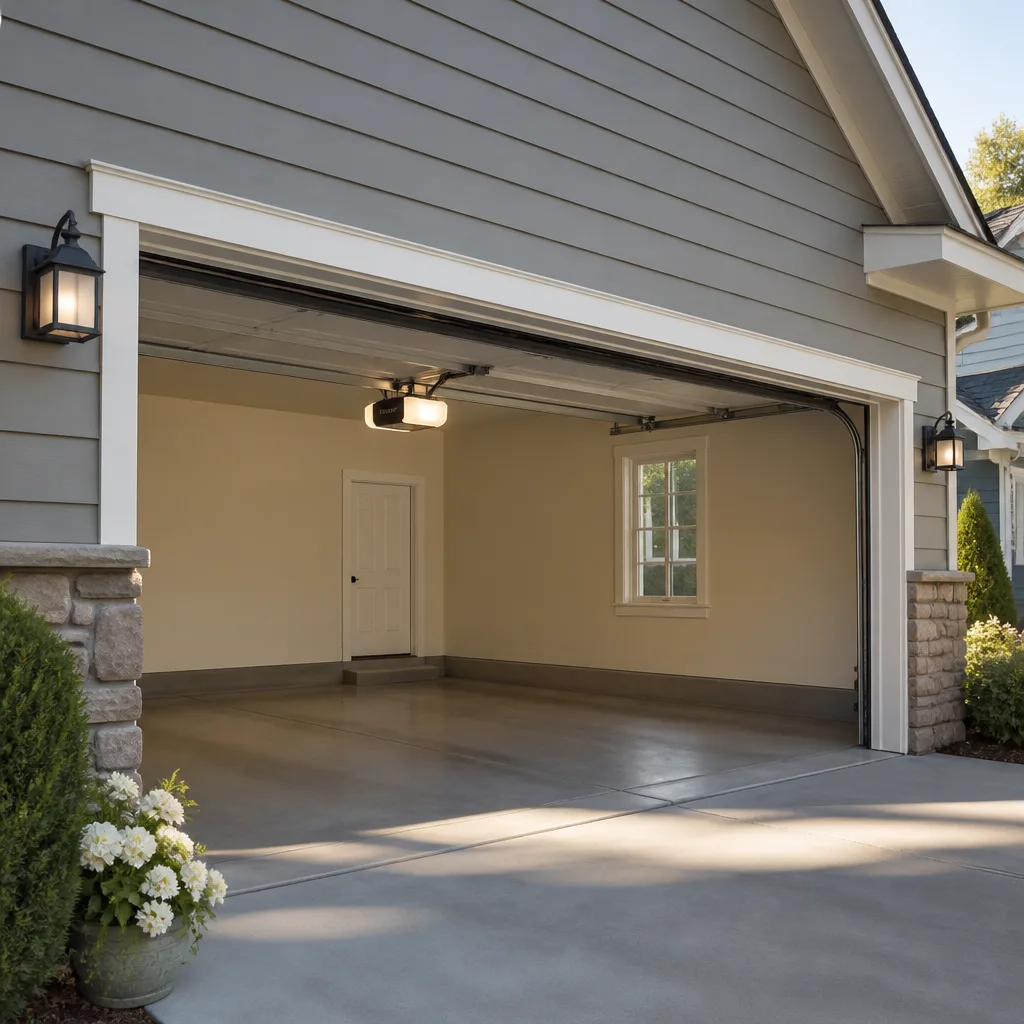 Chamberlain openers
Full 25-point door and opener safety check with every visit - springs, cables, rollers, tracks, and your LiftMaster or Chamberlain opener included
You get a price before we start. It does not change when the pro arrives.
Get your free estimateGarage Door Emergency Preparedness Guide for Tallahassee Homes
When a summer squall knocks out power across Tallahassee at 11 PM, your garage door either opens or it doesn’t, and the deciding factor is often a battery you’ve never once checked. Most homeowners assume a dead door is one kind of problem. It isn’t. Storm damage and mechanical failure are two separate emergencies with two separate preparations, and the people who handle both calmly are the ones who thought about them before the weather turned. This guide walks through the manual release every household member should know, how to actually test your battery backup, pre-storm reinforcement that makes a real difference, and the post-storm inspection order that protects you from operating a door that shouldn’t move yet.
Quick Answer
Garage door emergency preparedness in Tallahassee means preparing for two different scenarios: storm-driven structural failure (bent tracks, off-track panels, impact damage) and mechanical failure at a bad hour (snapped springs, dead openers, doors stuck closed). Test your battery backup at least twice a year, teach everyone in the house the manual release procedure and its one critical mistake, inspect and brace your door before storm season, and know who to call for genuine after-hours failures so you’re not searching for a number in the dark.
Styles & brands we work with
- Raised-panel steel
- Carriage house
- Modern flush
- Full-view glass
- LiftMaster openers
- Chamberlain openers
Table of Contents
- The Two Kinds of Garage Door Emergencies in Tallahassee
- The Manual Release Procedure Everyone Should Know
- Battery Backup Readiness in Florida Heat
- Pre-Storm Reinforcement: What Helps and What Doesn’t
- Who to Call After Hours and What to Have Ready
- Post-Storm Safety Inspection Sequence
- Seasonal Preparedness Calendar for Tallahassee Homes
- Common Mistakes to Avoid
The Two Kinds of Garage Door Emergencies in Tallahassee
The first step in preparing for a garage door emergency in Tallahassee is understanding that you’re preparing for two different problems. Storm-related failure is about weather. Mechanical failure is about wear, and it happens on a perfectly calm Tuesday just as often as it happens during a named storm. The preparations don’t overlap much, and confusing them leaves you underprepared for both.
Storm-driven emergencies tend to be structural. A severe thunderstorm or tropical system can push wind against a closed door, twist a track out of alignment, or send debris into a panel. The door may still be attached and look fine while the track is bent just enough that the next operation grinds the rollers and forces the door off its path. Tallahassee’s storm season runs roughly from June through November, and the heaviest threats usually come from fast-moving summer thunderstorms rather than long-track systems. The distinction matters because thunderstorm damage is often localized and sudden, which is why a post-storm inspection (covered further down) is worth doing every time.
Mechanical emergencies are the ones that strand you. A torsion spring snaps. An opener gear strips. A cable lets go. These failures cluster around the parts that carry load every single day, and they’re the reason a door that worked fine in the morning can be jammed shut by evening. In our experience across Tallahassee, mechanical failures far outnumber storm damage on a year-over-year basis. They just don’t get as much attention because they don’t come with a weather forecast.
Here’s the practical upshot: your storm prep is about inspection, bracing, and knowing your post-storm checklist. Your mechanical prep is about maintenance, knowing the warning signs, and having a plan for after-hours failures. Both matter, and both are covered in the sections that follow.
The Manual Release Procedure Everyone Should Know
Every automatic garage door has a manual release, usually a red cord hanging from the opener carriage. When the power goes out or the opener fails, that cord disengages the door from the opener so you can lift it by hand. The procedure is simple. The mistake that causes damage is not.
The critical mistake is pulling the release cord while the door is open. If you disengage the opener with the door in the raised position, the door is no longer held up by the opener’s carriage. It becomes a dead weight balanced on springs that may or may not be in good condition, and releasing it that way can let the door drop fast, snap a cable, or bend the track as the door slams down. This is the single most common cause of secondary damage we see after a power outage. The door should be fully closed before you pull the release.
The correct sequence, every time:
- Make sure the door is fully closed and at rest.
- Pull the red release cord straight down until the carriage disengages. You’ll usually hear or feel a click.
- Lift the door by hand slowly. A properly balanced door should lift with modest effort. If it feels extremely heavy or won’t budge, stop and call a professional – that’s a sign of a broken spring or cable, and forcing it will cause more damage.
- To close, lower the door by hand slowly and completely.
- To re-engage the opener, pull the release cord again to reset the carriage, then run the opener through one full open-and-close cycle to confirm it catches. If the carriage doesn’t re-engage, the door will open but the opener won’t move it.
Walk every adult in the household through this sequence at least once before you need it. Tallahassee power outages can last for hours after a strong storm, and the last thing you want is a family member guessing in the dark. Keep a flashlight near the release cord. If the door won’t open manually after the release is pulled, that’s a job for a trained technician, not a pry bar.
Battery Backup Readiness in Florida Heat
A battery backup lets your opener run the door when the power is out. It’s a genuine convenience and a genuine safety feature. The problem is that most units are installed, forgotten, and never tested until the moment they’re needed. In Florida’s heat, batteries age faster than the manufacturer’s label suggests, and a unit that beeped reassuringly two years ago may hold almost no charge today.
Testing is straightforward. Most battery backup units have a test button on the opener head. Press it and the door should run a full open-and-close cycle on battery alone. If it moves sluggishly, stops partway, or doesn’t move at all, the battery needs replacing. Do this test every six months, and again right before storm season. While you’re up there, check the battery indicator light if your unit has one, and look at the battery itself for swelling, corrosion on the terminals, or a date stamp that tells you how old it is.
Two years is a reasonable working assumption for battery life in a Tallahassee garage, where summer temperatures inside can climb well above outdoor air. Replace on a schedule rather than waiting for a failure. If your opener is a LiftMaster or Chamberlain unit with myQ integration, the battery can be replaced without replacing the opener, and the myQ app can alert you when the battery needs attention. That’s one of the few smart-home features that actually earns its keep during storm season. Older Genie and Craftsman openers use different battery types, so pull the old battery before you shop for a replacement rather than guessing.
One more point: battery backup runs the door, but it doesn’t fix a broken spring. If your spring snaps during an outage, the battery will try to lift a door the springs can no longer support, and the opener will likely stall or strip a gear trying. Battery backup is not a substitute for mechanical maintenance.
Pre-Storm Reinforcement: What Helps and What Doesn’t
If your garage door is a standard non-rated door, you can make it more wind-resistant, but you can’t turn it into a rated impact door with a kit. Knowing which is which saves money and prevents false confidence.
Horizontal bracing kits are the most common retrofit. They add a horizontal steel member across the door panels to distribute wind pressure and reduce panel bowing. On a standard door, bracing can meaningfully improve how the door holds up under wind load and reduces the chance of a panel bowing inward and popping a roller out of the track. What bracing can’t do is change the door’s rated wind-load classification. That rating belongs to the door as manufactured and tested, and no bolt-on kit changes it. If your door has a wind-load label, bracing complements it. If it doesn’t, bracing helps but doesn’t create one.
Other pre-storm steps worth doing:
- Inspect all rollers, hinges, and track fasteners. A loose hinge or a worn roller that’s about to fail is a weak point that wind will find.
- Check that the tracks are plumb, parallel, and fastened tight to the wall and header. A track that wobbles by hand will move under wind pressure.
- Clear the area above and around the door of loose objects. Anything the wind can pick up becomes a projectile at the door.
- Confirm your weather seal is intact. A blown-out seal lets water in around the door and can lead to rusted hardware over time.
- Verify your opener’s auto-reverse works. Test it by placing a roll of paper towels under the door and closing it. The door should reverse immediately on contact.
What doesn’t help: reinforcing with lumber against the inside of the door (it can bind the tracks and prevent proper operation), stacking sandbags against the door (the weight and water do more damage than good), or leaving the door partially open to “let the wind through” (that exposes the panels and tracks to direct force). If you want a genuinely storm-rated door, garage door installation of a wind-rated model is the route. Brands like Clopay and Amarr offer rated models, and a professional can tell you what fits your opening and your budget.
Who to Call After Hours and What to Have Ready
A true after-hours garage door emergency is one where the door can’t be secured, the door is stuck in a position that blocks a vehicle, or someone is locked out and there’s a genuine security concern. For those, call a specialist with emergency service built into the offering, not a general handyman who’ll figure it out on the fly. Tallahassee Garage Door Repair Experts handles emergency garage door service as a core part of what we do, and our technicians have up to 9 years of experience with the brand systems most homes here actually have.
The faster you can give the dispatcher useful information, the faster the technician can arrive prepared. Have these ready before you call:
- Your address and the best number to reach you.
- The door brand and, if you can read it, the model number from the opener head or the door label.
- A one-line description of the failure: stuck open, stuck closed, off track, spring broken, opener runs but door doesn’t move.
- Whether the door is currently secured and whether anyone is at risk. This determines priority.
- Whether the power is out in the neighborhood, which changes what’s possible on arrival.
Once the technician is on site, the price is quoted and agreed before any work starts. That’s the part people worry about most after dark, and it’s the part we handle first. If the fix is a spring, we quote the spring job on its own. If the opener needs parts, that’s quoted too. No work begins until you say go. For general repairs, garage door repair covers everything from a stuck door to a bent panel, and the same quote-first rule applies.
Post-Storm Safety Inspection Sequence
After any severe thunderstorm or tropical system moves through Tallahassee, inspect the door before you operate it. Doing this in the wrong order can turn minor storm damage into a major repair. The sequence matters.
- Look from outside first. Walk around and check the exterior panels for dents, bowing, or separation from the frame. Don’t touch anything yet.
- Check the tracks. Look at both vertical tracks and the horizontal tracks. They should be straight and parallel. A track that’s visibly bent or out of line means the door should not be operated.
- Check the rollers and hinges. Look for rollers that have popped out of the track or hinges that are bent or missing screws. Any of these will cause the door to bind and can pull it further off track.
- Check the cables and springs. Look, don’t touch. A cable that’s hanging loose or a spring with an obvious gap means the door has lost its counterbalance. Both are dangerous to handle, and the door should not be operated.
- Test the balance. After disengaging the opener with the door fully closed, lift the door about a foot and let go. A properly balanced door should stay roughly in place. A door that drops fast is telling you the springs need attention.
- Run the opener through one cycle. Only after the visual checks pass. If anything sounds wrong or the door moves unevenly, stop and call.
If the door is damaged in any of steps 1 through 4, leave it alone and call a technician. Forcing an off-track or unspring door is how a repair becomes a replacement. Springs and cables carry high tension, and they can cause serious injury if handled without the right tools and training. This is not a DIY job, no matter how handy you are. Our garage door opener repair and spring services are exactly for this moment. If the door itself is beyond repair, we can walk you through replacement options too.
Seasonal Preparedness Calendar for Tallahassee Homes
Preparedness isn’t a one-time event. It’s a short checklist you run a few times a year, timed to Tallahassee’s weather and the wear patterns on your door.
Before storm season (late spring): Test the battery backup. Inspect tracks, rollers, and hinges. Check the door’s balance. Consider whether bracing makes sense for your door. Note any new noises or uneven movement since last year.
Mid-season (midsummer): Re-test the battery backup, since Florida heat shortens battery life. Listen for grinding or scraping, which signals worn rollers or a track out of alignment. Lubricate the rollers, hinges, and springs with a garage door lubricant, not WD-40.
After any significant storm: Run the post-storm inspection sequence above before opening the door. Even if the storm wasn’t severe, a quick visual check of the tracks and panels takes two minutes.
End of season (late fall): Full inspection. Replace the battery backup if it’s approaching two years old. Check the weather seal. Tighten any hardware that’s worked loose over the season. This is also the best time to address small issues before they become spring failures.
Running this calendar keeps you ahead of the two failure types instead of reacting to them. For anything on the mechanical side, our full-service capability means one call handles the diagnosis, the repair, and any follow-up work the original fix reveals. If you want a broader baseline on keeping a door healthy, our Tallahassee Garage Door Repair Experts page covers the full service lineup.
Common Mistakes to Avoid
- Pulling the manual release while the door is open. This is the number-one cause of snapped cables during power outages. Always close the door fully before disengaging the opener.
- Never testing the battery backup. A battery that’s two years old in a Tallahassee garage may hold almost no charge. Press the test button every six months, not just when the power fails.
- Operating the door after storm damage. A bent track or popped roller won’t fix itself, and running the opener grinds the problem deeper. Inspect first, operate second.
- Assuming a reinforcement kit makes your door storm-rated. It improves wind resistance but doesn’t change the door’s rated classification. If a rating matters to you, that’s a replacement conversation.
- Touching springs or cables after a failure. These parts are under high tension and can cause serious injury. Visual inspection only, then call a technician.
- Calling a general handyman for an after-hours failure. Brand-specific knowledge speeds up diagnosis. Genie, Clopay, Amarr, and Wayne Dalton doors and openers each have their own quirks, and a specialist arrives knowing them.
- Waiting until the storm is at the door. Bracing a door, testing a battery, and learning the manual release are all things to do well before a warning is issued. Last-minute preparation is how people get hurt.
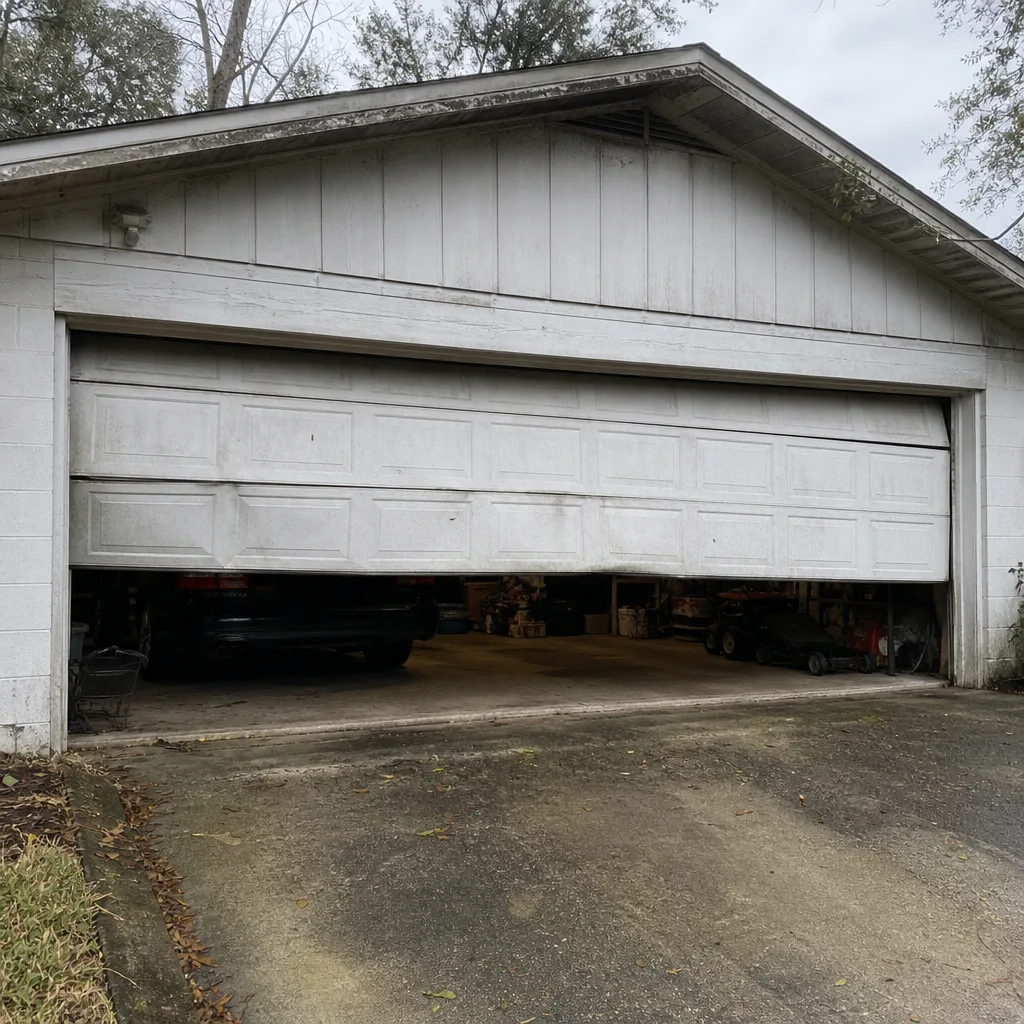
See the difference
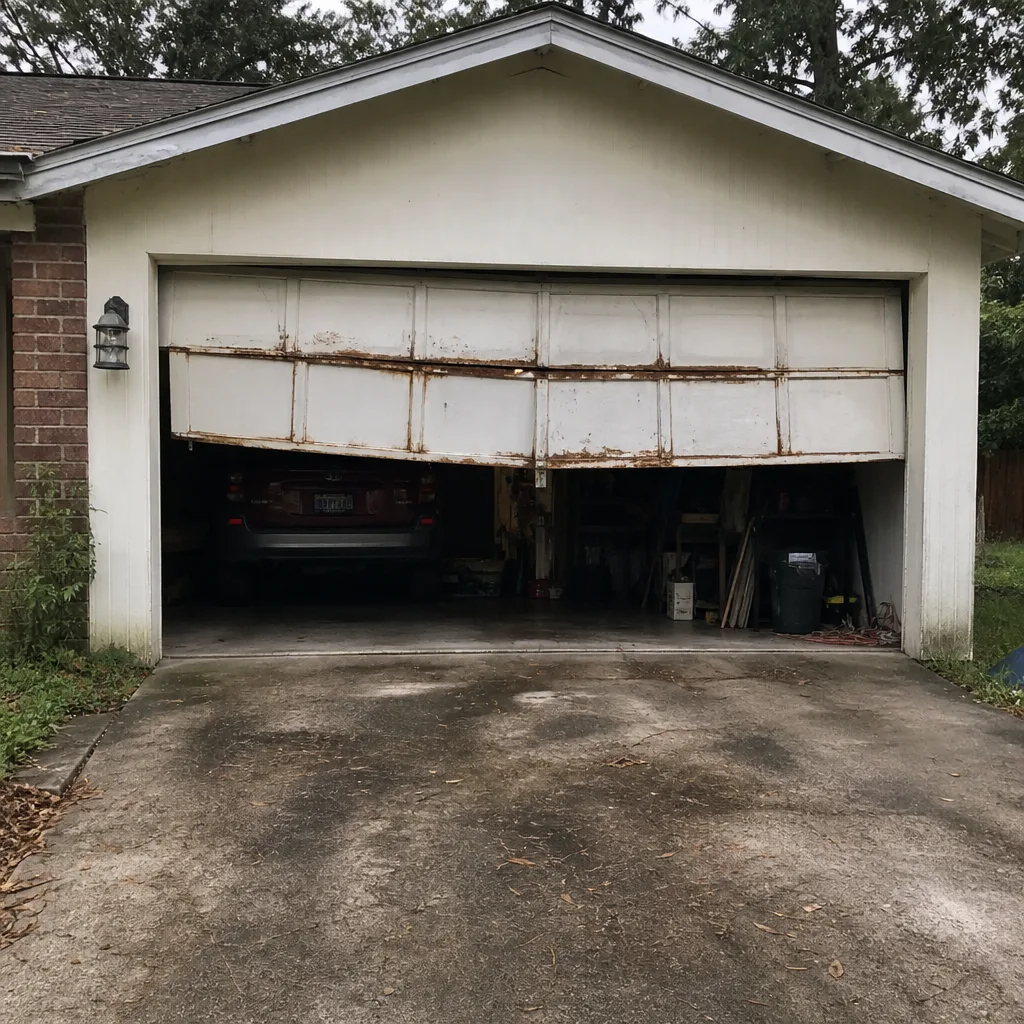 Before
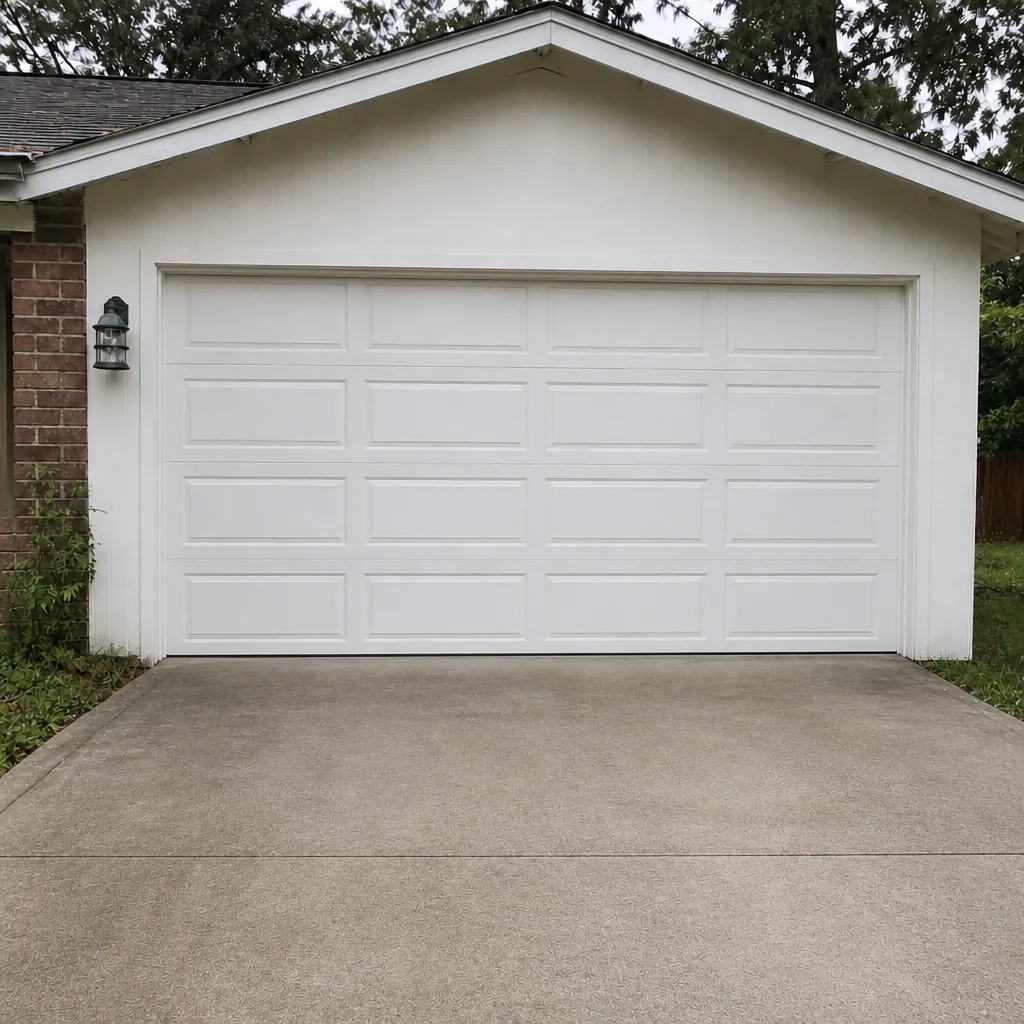 After
 Before
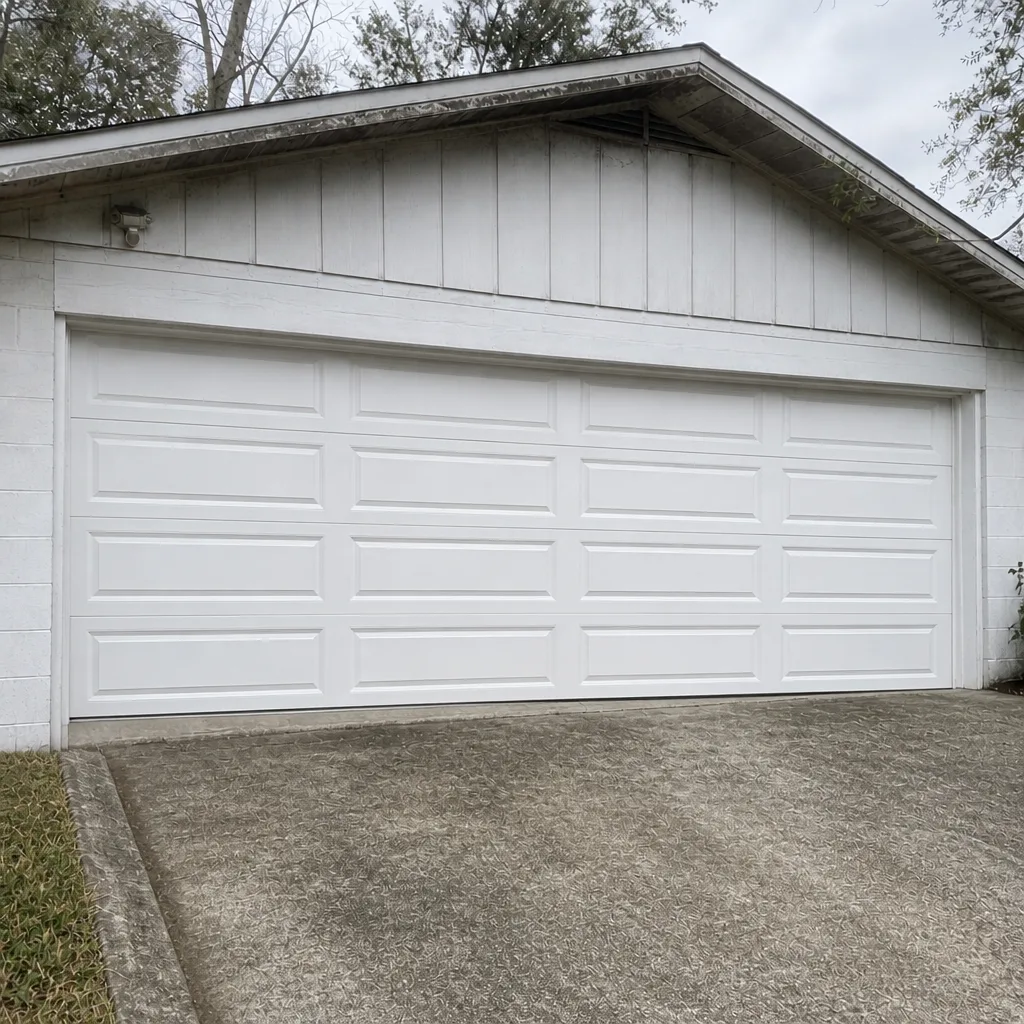 After
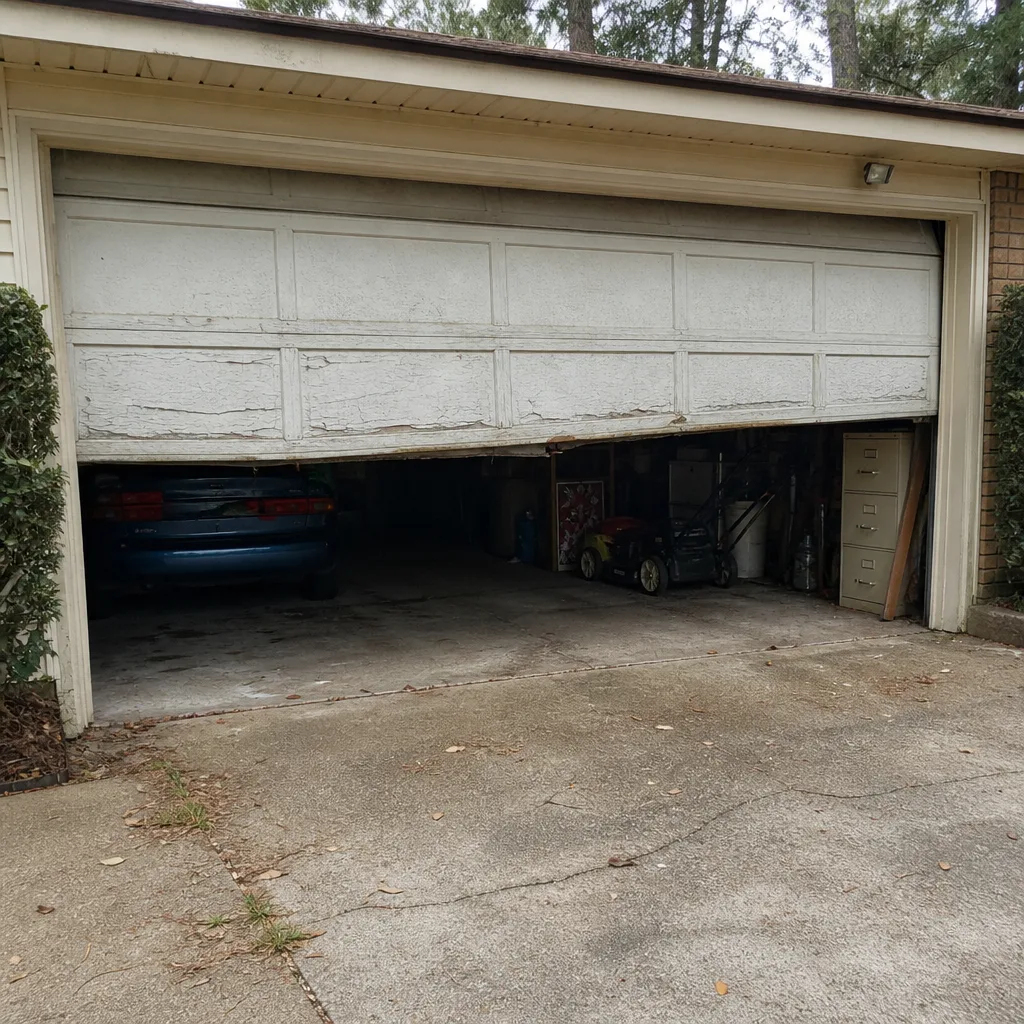 Before
 After
When to Call a Professional
Call a professional when the door won’t open after the manual release is pulled, when a track is visibly bent, when a spring or cable has failed, or when the door is off its track. Call if the door moves unevenly, makes grinding or popping sounds, or reverses on its own. Call if you’re locked out and the door is your only entry, or if the door is stuck open and you need it secured. These are all scenarios where a trained technician with the right tools saves you time, money, and risk. Tallahassee Garage Door Repair Experts offers free estimates in Tallahassee. Call (844) 443-3895 and we’ll get a technician out to assess the door, quote the work, and get it done.
Frequently Asked Questions
A garage door emergency is any situation where the door can’t be secured, is blocking a vehicle, or poses a safety or security risk. That includes a door stuck open after a storm, a door that won’t open with a car trapped inside, a snapped spring that leaves the door too heavy to lift, and an off-track door that’s leaning. If the door is simply slow or noisy but still works, that’s a maintenance call, not an emergency.
Press the test button on the opener head with the door fully closed. The opener should run a full open-and-close cycle on battery alone. If the door moves sluggishly, stalls, or doesn’t move, the battery needs replacing. Test every six months, and replace on a roughly two-year schedule in Florida heat. If your unit doesn’t respond to the test button, check the battery terminals for corrosion first.
Yes, using the manual release cord, but only with the door fully closed. Pulling the release while the door is open causes it to drop on the springs, which can snap a cable or bend a track. Once the release is pulled, lift the door slowly by hand. If it feels extremely heavy or won’t budge, stop and call a technician. For a fast diagnosis of an opener that won’t respond, call us for opener repair.
No. A bracing kit improves wind resistance and reduces the chance of panel bowing and track failure, but it doesn’t change the door’s rated wind-load classification. That rating comes from how the door was manufactured and tested. If you need a genuinely rated door, replacement with a rated model from a brand like Clopay or Amarr is the answer, and we can walk you through options.
Call a garage door specialist with emergency service in their core offering, not a general handyman. Have your address, door and opener brand, a one-line description of the problem, and whether the door is secured and anyone is at risk ready before you call. Tallahassee Garage Door Repair Experts handles after-hours emergencies, and we quote the price before any work starts. Call (844) 443-3895.
Inspect in this order: exterior panels, tracks, rollers and hinges, cables and springs (visually, no touching), door balance, then a single opener cycle. If anything looks off during the first four checks, don’t operate the door. A bent track or damaged spring means the door needs professional attention before it can safely move.
The Bottom Line
Garage door emergencies in Tallahassee come in two flavors, storm damage and mechanical failure, and each one needs its own preparation. Test your battery backup twice a year and replace it roughly every two years in Florida heat. Teach everyone in the household the manual release procedure, and remember the door must be fully closed before you pull the cord. Run the post-storm inspection sequence before opening a door that just went through a storm. And when something does fail, call a specialist rather than a generalist, with your brand and problem ready. Tallahassee Garage Door Repair Experts is here for repair, spring service, opener work, and installation. Call (844) 443-3895 for a free estimate.
Written by the team at Tallahassee Garage Door Repair Experts.