Last updated November 21, 2026
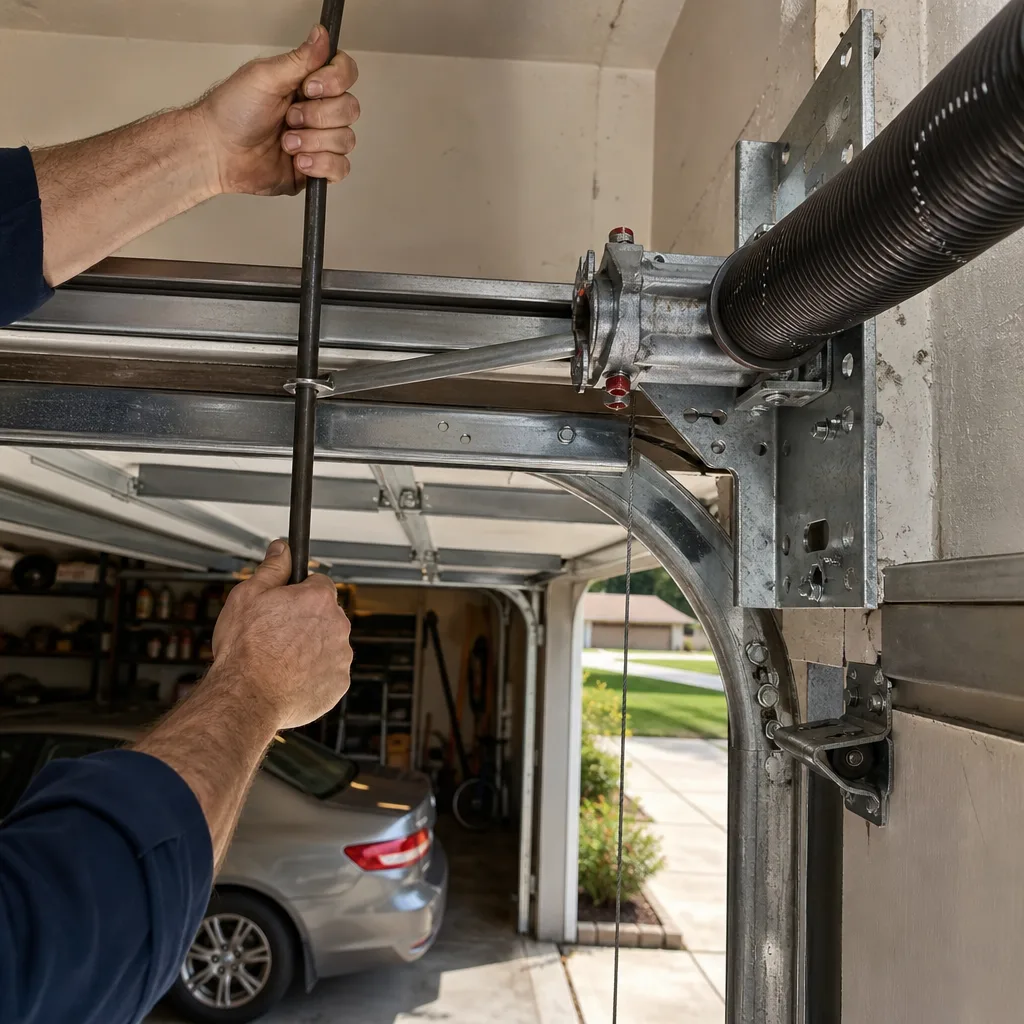
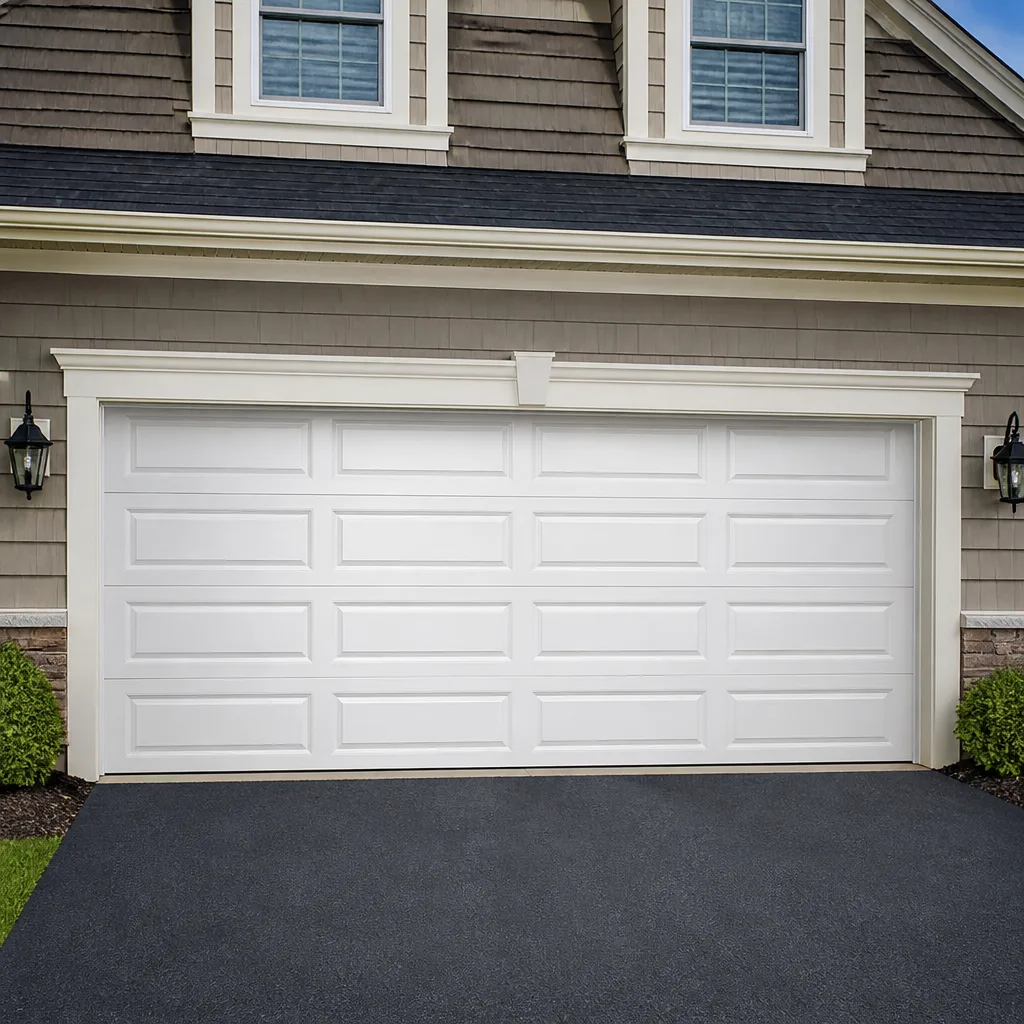 Raised-panel steel
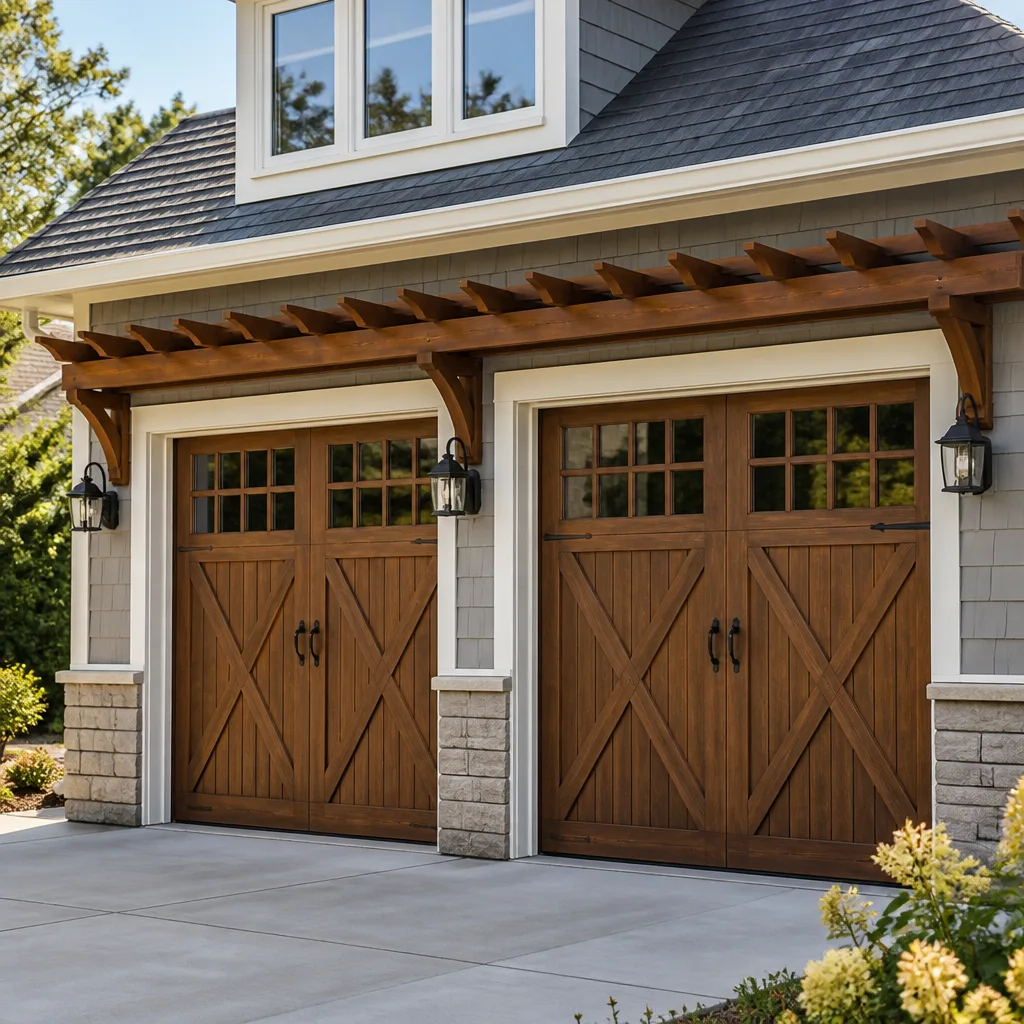 Carriage house
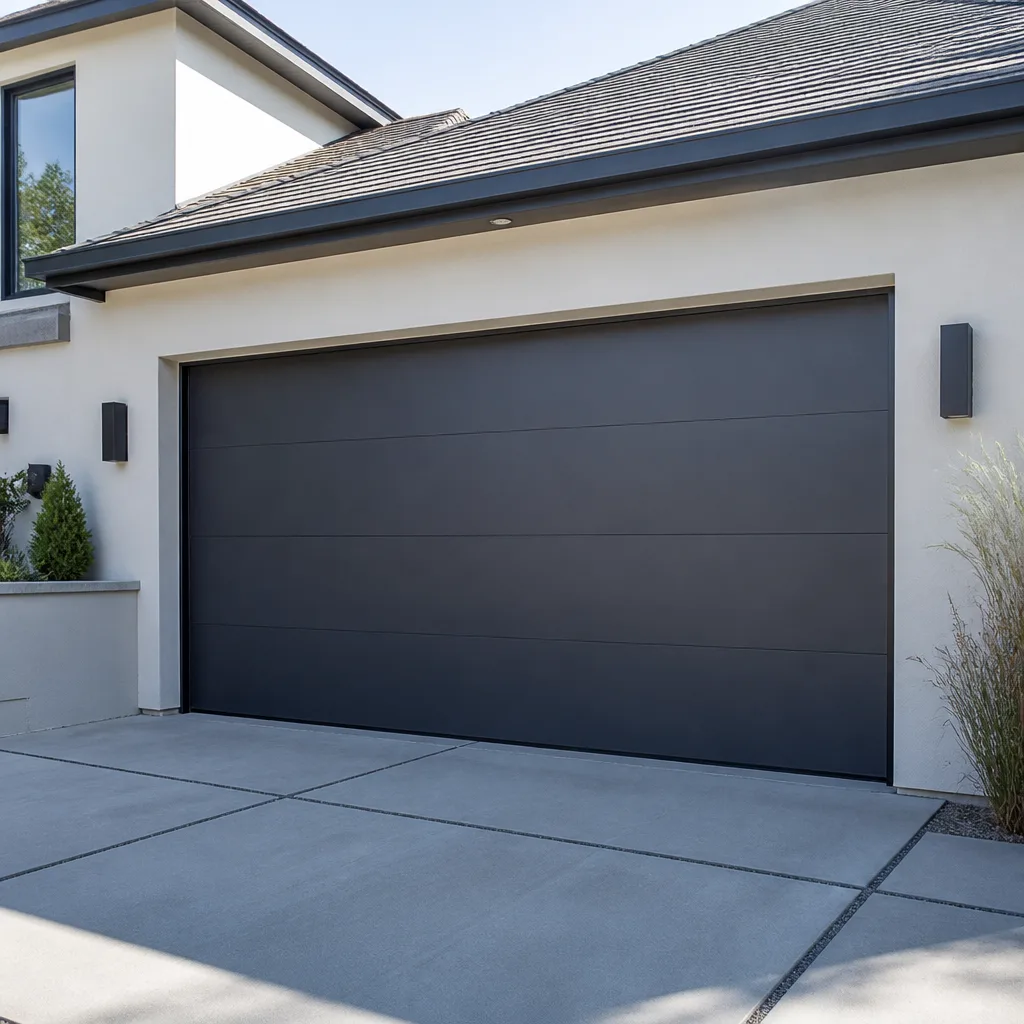 Modern flush
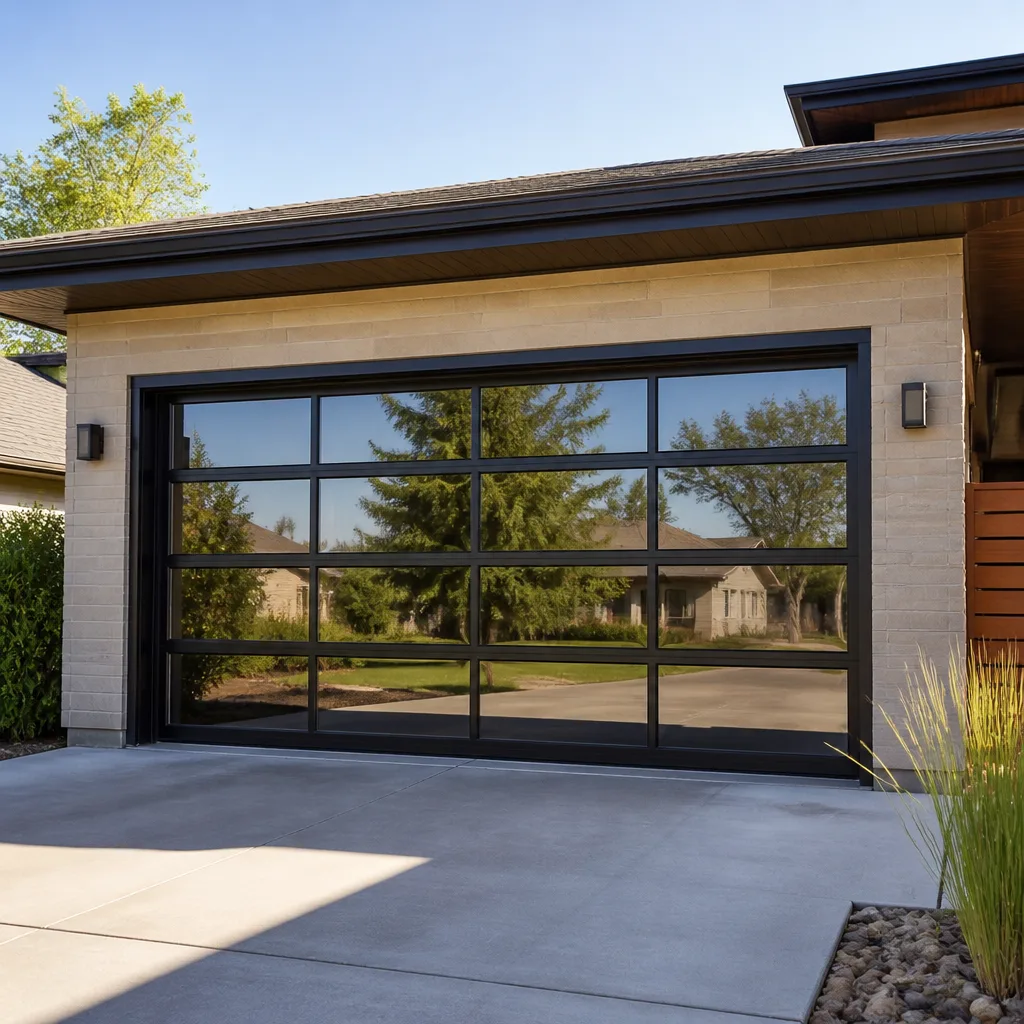 Full-view glass
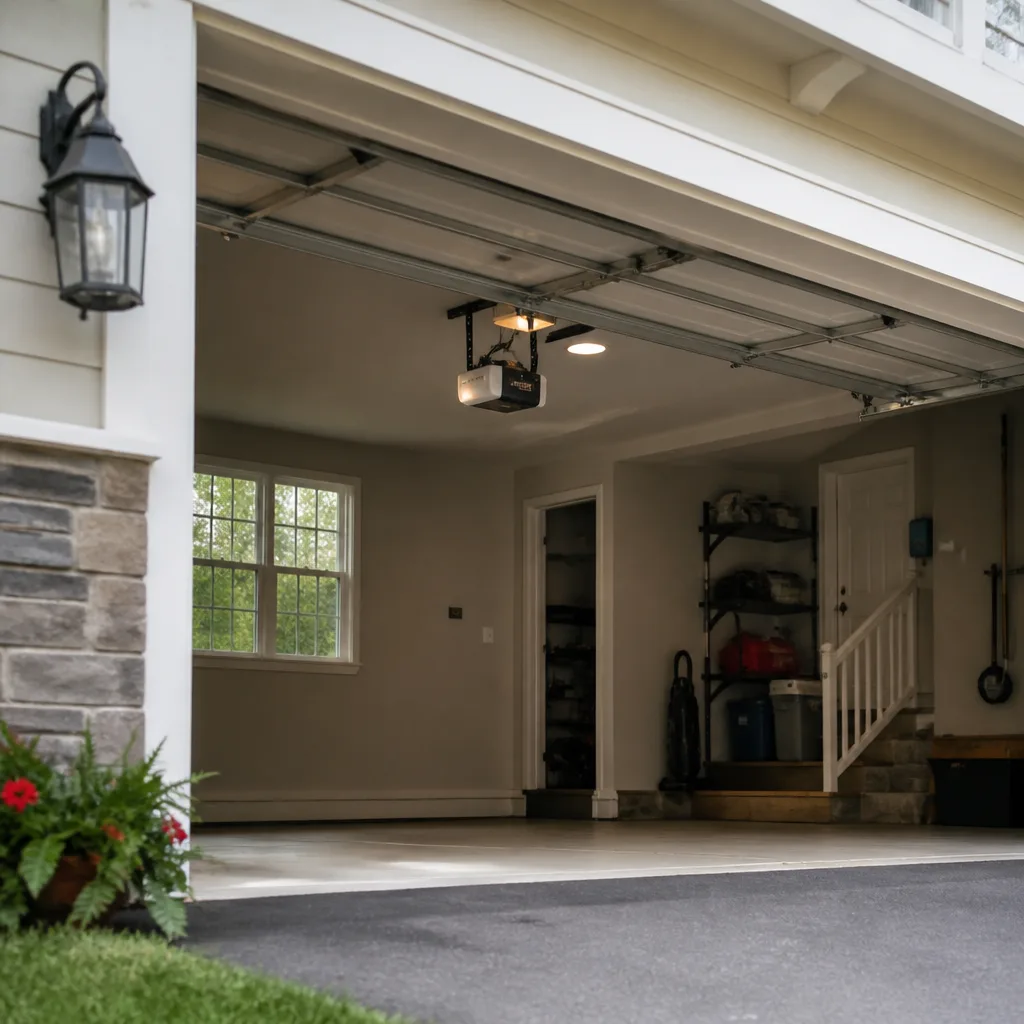 LiftMaster openers
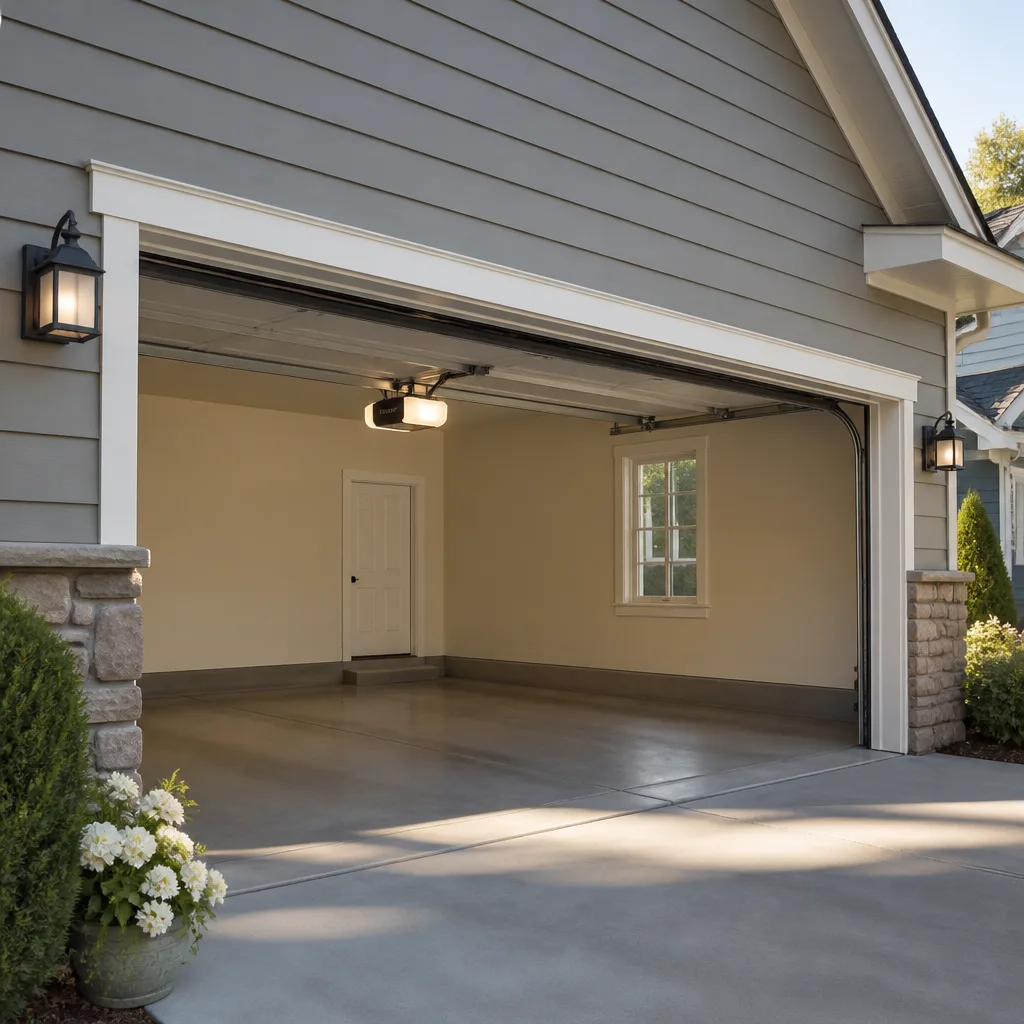 Chamberlain openers
Full 25-point door and opener safety check with every visit - springs, cables, rollers, tracks, and your LiftMaster or Chamberlain opener included
You get a price before we start. It does not change when the pro arrives.
Get your free estimateGarage Door Repair Maintenance Schedule: What to Do and When
The standard advice to lubricate your garage door springs twice a year is not wrong. It’s just incomplete enough to let the most common Florida failure modes go unaddressed until they become emergency calls. A calendar-based schedule treats every door the same, but a steel door in Tallahassee faces very different stress than one in a dry climate: summer humidity works on the metal, storm season tests every fastener, and the heavy daily use of a door that serves as the main entry wears components on their own timeline. What follows is a condition-based schedule built around four specific tasks at the right seasonal triggers, so you address problems before they turn into a snapped spring or a dead opener.
Quick Answer
A garage door doesn’t need a maintenance visit twice a year. It needs four specific tasks done at the right seasonal triggers: a pre-hurricane-season inspection in May, a post-summer humidity check in October, a monthly balance and reversal test, and lubrication applied to the correct components with the right product. In Tallahassee’s climate, those two seasonal windows deliver more value than any generic six-month tune-up, because they line up with the conditions that actually wear parts here.
Styles & brands we work with
- Raised-panel steel
- Carriage house
- Modern flush
- Full-view glass
- LiftMaster openers
- Chamberlain openers
Table of Contents
- Why a Generic Six-Month Schedule Falls Short
- The Two Tallahassee Maintenance Windows That Matter
- Which Lubricant Goes on Which Component
- The Monthly Balance and Reversal Tests
- How Long Each Component Should Last
- What a Real Professional Maintenance Visit Includes
- When Maintenance Stops Making Sense
- Common Mistakes to Avoid
Why a Generic Six-Month Schedule Falls Short
Most maintenance guides tell you to lubricate the door, tighten the hardware, and call it a day, twice a year. That advice assumes wear happens at the same rate everywhere. It doesn’t. A door in Tallahassee runs through humid summers that put moisture into every joint and roller, and it faces storm season winds that work fasteners loose. Meanwhile, the components on that door age at wildly different rates. A torsion spring may cycle thousands of times a year because a garage door is often the primary entry point, while a set of nylon rollers might outlast it several times over.
The real issue is that a calendar can’t see what’s actually happening. A twice-a-year visit can easily miss a spring that’s a month from failing, or pass over a roller that’s already flat-spotted. In our experience across Tallahassee neighborhoods, from Betton Hills to Killearn, the doors that fail unexpectedly are usually the ones that got a fixed schedule instead of a condition-based one. A schedule tells you when to look; a condition check tells you what you’re actually looking at.
What works better is a schedule built around the two moments in the year when local conditions stress your door most, plus a few quick tests you run yourself every month. That combination catches the parts that are drifting toward failure and gives you a real reason to act on each one. It also tells you when maintenance no longer makes economic sense and replacement is the better call. More on that below.
The four maintenance tasks that actually matter
- Pre-storm-season inspection: fasteners, tracks, cables, weather seal, and door balance checked before the hot windy months arrive.
- Post-summer humidity check: rollers, hinges, and the bottom seal examined for corrosion and stiffening after months of heat and moisture.
- Monthly self-tests: the 10-second balance test and the 5-second reversal test, run by you at no cost.
- Correct lubrication: the right product on the right component, applied on a condition basis rather than a fixed date.
If a task on that list turns up a problem you can’t safely handle, that’s where our garage door repair service comes in. But for most doors, these four tasks catch the failures before they happen, which is the whole point.
The Two Tallahassee Maintenance Windows That Matter
If you do only two things for your garage door all year, do them in May and October. May sits just before hurricane season, when you want every fastener tight, the door balanced, and the tracks clear, because a door that won’t stay down or won’t rise is a real problem when a storm rolls in. October sits just after months of heat and humidity, when you want to catch the corrosion and stiffening that the summer creates before it spreads into the winter.
These two windows aren’t arbitrary. They map to how the door is actually stressed here. Summer in Tallahassee is long, hot, and wet, and the repeated cycling through those conditions is what dries out lubricant, stiffens seals, and starts rust on the parts that skip maintenance. A May inspection sets the door up to get through that, and an October check catches whatever the summer left behind. Neither requires a full visit; both are quick, targeted checklists.
May: Pre-hurricane-season inspection checklist
- Test door balance. Disconnect the opener, raise the door to about halfway, and let go. A balanced door holds there. One that drops or climbs has a spring or cable problem that a trained technician should look at.
- Check every hinge and track bolt with a nut driver. Snug, not cranked down. Loose hardware lets the door rattle out of alignment.
- Inspect the tracks for bends or debris, and wipe them down with a dry cloth. Do not lubricate the tracks.
- Look at the lift cables for fraying or kinks. Cables under tension are not a part to touch yourself, so if anything looks off, stop and call.
- Check the bottom weather seal for splits or rot, since a failing seal lets wind and water in.
- Test the safety reversal system and the photo-eye safety sensors.
October: Post-summer humidity check
- Open and close the door and listen. Grinding, squealing, and popping mean something needs attention.
- Examine each roller for flat spots, cracking, or wobble. Replace any that fail the eyeball test.
- Check the hinges for rust, especially along the bottom sections where moisture settles.
- Relubricate the torsion spring and the hinge pivots with a proper garage-door lubricant, not a water-displacing spray.
- Look at the opener’s chain or belt for slack and lube the drive if the manufacturer specifies it.
- Re-run the balance test and the reversal test, since the season has stressed the springs and opener.
That’s the backbone of the schedule. Everything else is a variation on those two lists.
Which Lubricant Goes on Which Component
Here’s where a lot of good intentions go wrong. Using the wrong product on the wrong part can do more harm than skipping it. The biggest culprit is the old habit of spraying WD-40 on the torsion spring. WD-40 is a water-displacing spray, not a lasting lubricant. It will thin out whatever protectant is already there and then evaporate, leaving bare metal that rusts faster than it would have if you’d left it alone. On a spring in a humid climate, that shortens its life.
What you want is a garage-door-specific lubricant for the moving metal parts. A few good options exist, and most of them come as a spray or a tube of gel. The rule of thumb is simple: lubricate what moves against something else, leave the tracks alone, and never spray anything on the photo-eye lenses or the opener circuit board.
The right product for the right part
- Torsion spring: a garage-door-specific spray lubricant or spring gel. Never WD-40. One light coat on the coil.
- Hinges and hinge pivots: a lithium grease or the same garage-door lubricant.
- Rollers: a light lubricant on the metal stem, but not on nylon rollers that the manufacturer lists as sealed or no-lube.
- Tracks: nothing. Keep them clean and dry. Lubricant on the tracks attracts dust and grit and makes the rollers slide instead of roll.
- Opener chain or drive: follow the opener manufacturer’s recommendation. Belt drives usually need no lube at all.
- Weather seal: a silicone spray keeps rubber supple and stops it from cracking in the sun.
One warning up front: springs and cables under tension are the most dangerous parts on the door. If the spring looks corroded, or a cable is frayed, don’t try to lubricate around it. That’s a job for a trained technician. Our dedicated spring service exists for exactly this reason, because spring work is one of the most dangerous and most often botched repairs in the trade.
The Monthly Balance and Reversal Tests
These two tests take under a minute and catch the most common failures before they become emergencies. Run them once a month, ideally on the same day each time so you don’t forget. They’re the cheapest maintenance you’ll ever do because they cost nothing and they tell you when to act.
The 10-second balance test
Close the door, then pull the opener’s release handle to disconnect it. Raise the door by hand to about the halfway point and let go. If the door holds there, the spring is doing its job. If it drops, the spring has lost tension, and if it climbs on its own, the spring is over-tensioned. Either result means you shouldn’t run the opener until a technician checks it, because the opener is now lifting the full weight of the door and will wear out fast. A door that passes needs no action.
The 5-second reversal test
With the door connected and the opener running, close the door and wave an object in front of the photo-eye safety sensors near the floor. The door should reverse within a second or two. Now open the door and lay a piece of wood flat on the ground under it, then close the door. When it hits the wood, it should reverse immediately. If either test fails, stop using the door and have the opener checked. Something is wrong with the safety circuit, and that’s a serious issue.
Alongside the tests, keep an ear out. Garage doors usually announce a problem before they fail. A grinding sound from the opener often points to a worn gear; see our garage door opener repair page for the symptoms we see most; a rubbing sound from the tracks usually means a misaligned panel or a worn roller. Catching the sound early is often the difference between a quick fix and a replacement.
How Long Each Component Should Last
Knowing roughly how long each part should last tells you when a repair is worth doing and when you’re better off replacing. It also stops you from pouring money into a component that’s already at the end of its life. These numbers are general ranges, and how hard your door works in Tallahassee moves them up or down, but they’re a useful benchmark.
Component lifespan benchmarks
- Torsion springs: the most-used measure is cycles, not years. A spring rated for 10,000 cycles on a door that cycles four times a day will last roughly seven years; a busier door wears it out faster. Spring life is why inspection matters more than the calendar.
- Extension springs: often somewhat shorter-lived than torsion springs and more prone to visible stretch and sag.
- Cables: typically many years if lubricated and not frayed, but any sign of fraying means replacement.
- Rollers: steel rollers last longer than nylon ones, but nylon runs quieter. Both wear out with use, and flat spots are the warning sign.
- Hinges: usually several years, with rust being the main enemy in a humid climate.
- Opener drive (chain or belt): the opener itself often outlasts several doors’ worth of springs with regular checks. The chain or belt can stretch and need adjustment.
- Weather seal: the shortest-lived component, often needing replacement every few years because of sun exposure.
The takeaway: if a spring is failing and the rest of the door is sound, replacing the spring is the right move. If several major components are all near the end at once, the math often points toward a new door or opener instead. We’ll talk more about that in the repair-or-replace section.
What a Real Professional Maintenance Visit Includes
Not every maintenance visit is a real maintenance visit. Some techs run the door up and down, spray a little lubricant, and charge for the call. A legitimate visit is more thorough, and it takes a specific set of steps. Knowing what to expect helps you recognize a cursory inspection that isn’t worth the fee, so you can ask the right questions before you book.
What a proper maintenance visit should cover
- A full balance test and reversal test, with the results explained to you.
- Inspection of the torsion spring, cables, drums, and brackets, with any corrosion or wear pointed out.
- A check of every hinge, roller, and track fastener, and tightening where needed.
- Lubrication of the spring, hinges, metal rollers, and drive, using the correct product for each.
- A track alignment check and clean.
- A safety check of the photo-eye sensors and the auto-reverse mechanism.
- A written summary of what was done and what’s coming due.
A thorough visit on a standard residential door typically takes a meaningful amount of time, and a good technician will spend more of it inspecting and explaining than spraying. If a visit seems over in minutes, ask what was actually checked. The brands matter here too. We’re familiar with Genie, Clopay, Amarr, and Wayne Dalton systems, and a tech who knows your specific equipment moves through the checklist with fewer surprises.
When Maintenance Stops Making Sense
There’s a point where a repair becomes throwing money at a door that’s ready to be replaced. The signs are usually visible to a homeowner, and being honest with yourself about them is the difference between a smart investment and a slow leak of money. If you can’t remember the last time the door had major work, that’s often the clue.
- Multiple springs and cables failing in the same year: that’s a sign the whole system is near the end, not just one part.
- Panels that are bent, rusting through, or showing persistent water damage: panel replacement on an older door often costs more than it’s worth.
- A door that needs constant opener adjustment: a worn opener pushing a door that won’t balance will keep failing.
- An opener that’s obsolete and hard to get parts for: smart-home openers from LiftMaster and Chamberlain’s myQ ecosystem have aged some older units out of easy repair.
- A door that violates current wind or safety expectations: mention code questions to your city’s building department; they can tell you what applies to your home.
When replacement is the call, our garage door installation service handles the full job from measuring to final balance. Because installation is measured and ordered, it’s scheduled rather than same-day, and always with a free measure and a written price before anything is ordered.
Common Mistakes to Avoid
- Spraying WD-40 on the spring. It strips the protective coating and lets the metal rust faster. Use a proper garage-door lubricant, and only on the coil.
- Lubricating the tracks. Lubricant on a track collects grit and makes rollers slide. Keep the tracks clean and dry instead.
- Following a rigid calendar instead of running the monthly tests. A door can pass a six-month appointment and still be a month from a spring failure. Check the condition, not just the date.
- Ignoring a balance problem and running the opener anyway. It works for a while, but it burns out the opener motor and the gear before the spring gets fixed.
- Letting the bottom weather seal rot. A failing seal in Tallahassee’s humid months lets water and wind under the door and starts the sections rusting from the bottom up.
- Leaving a noisy door until it fails. Squealing, grinding, and popping are early warnings. Dealing with them early is almost always cheaper than dealing with a broken door.
- Trying spring or cable work yourself. These parts are under tremendous tension and can cause serious injury. That’s a job for a trained technician, every time.
See the difference
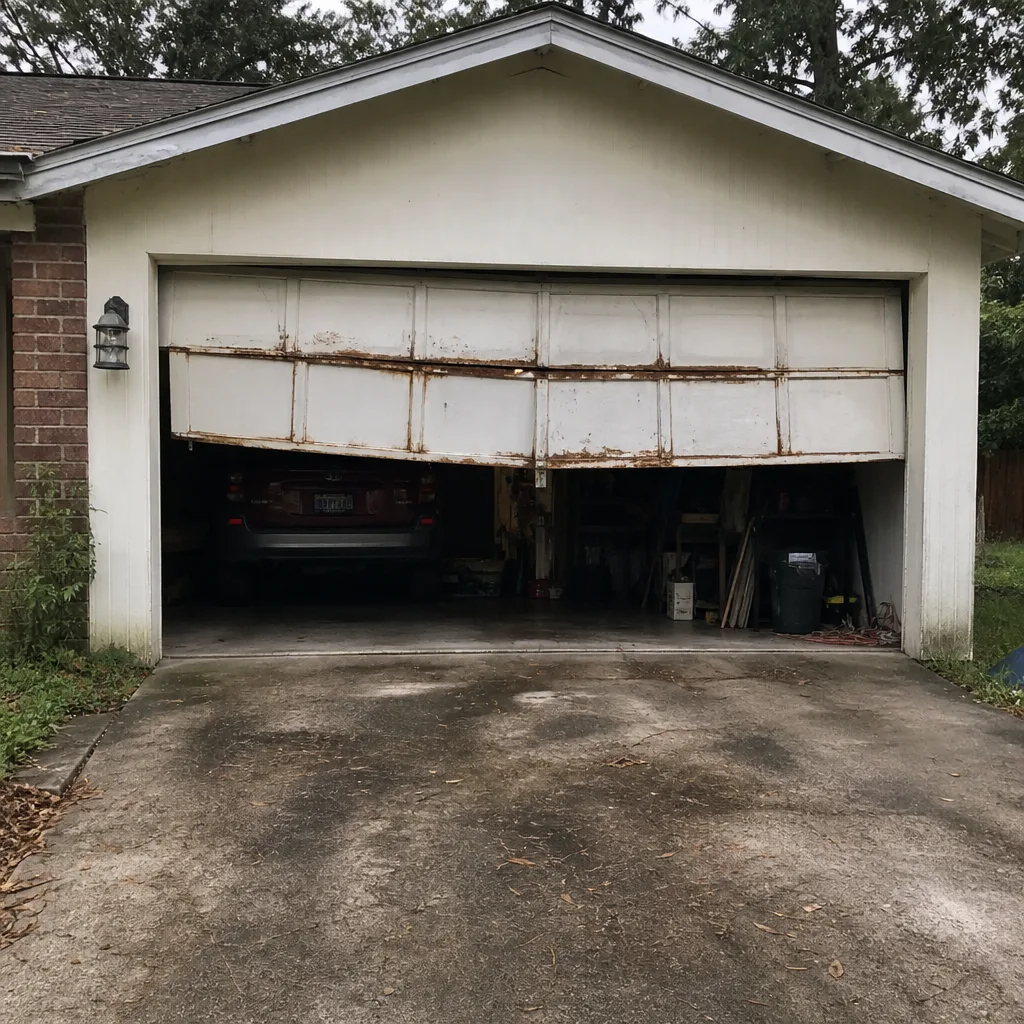 Before
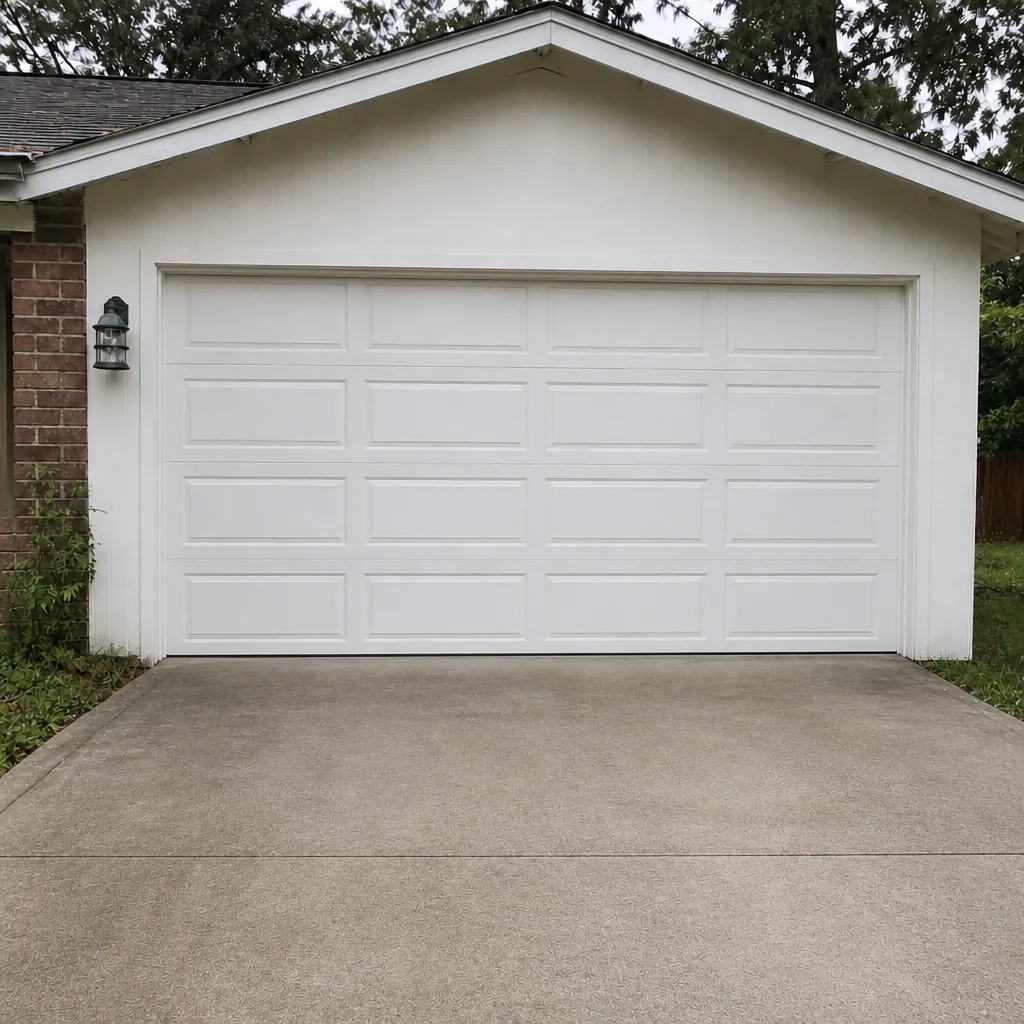 After
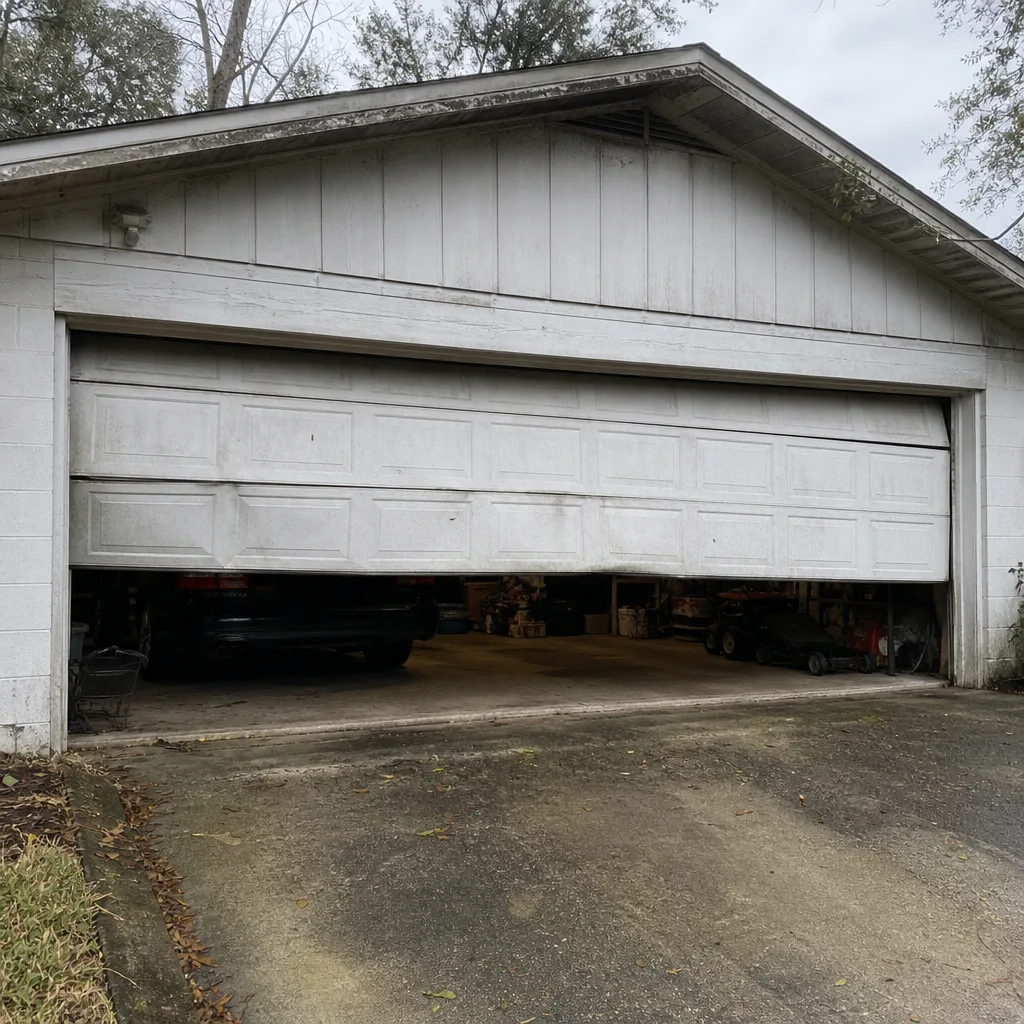 Before
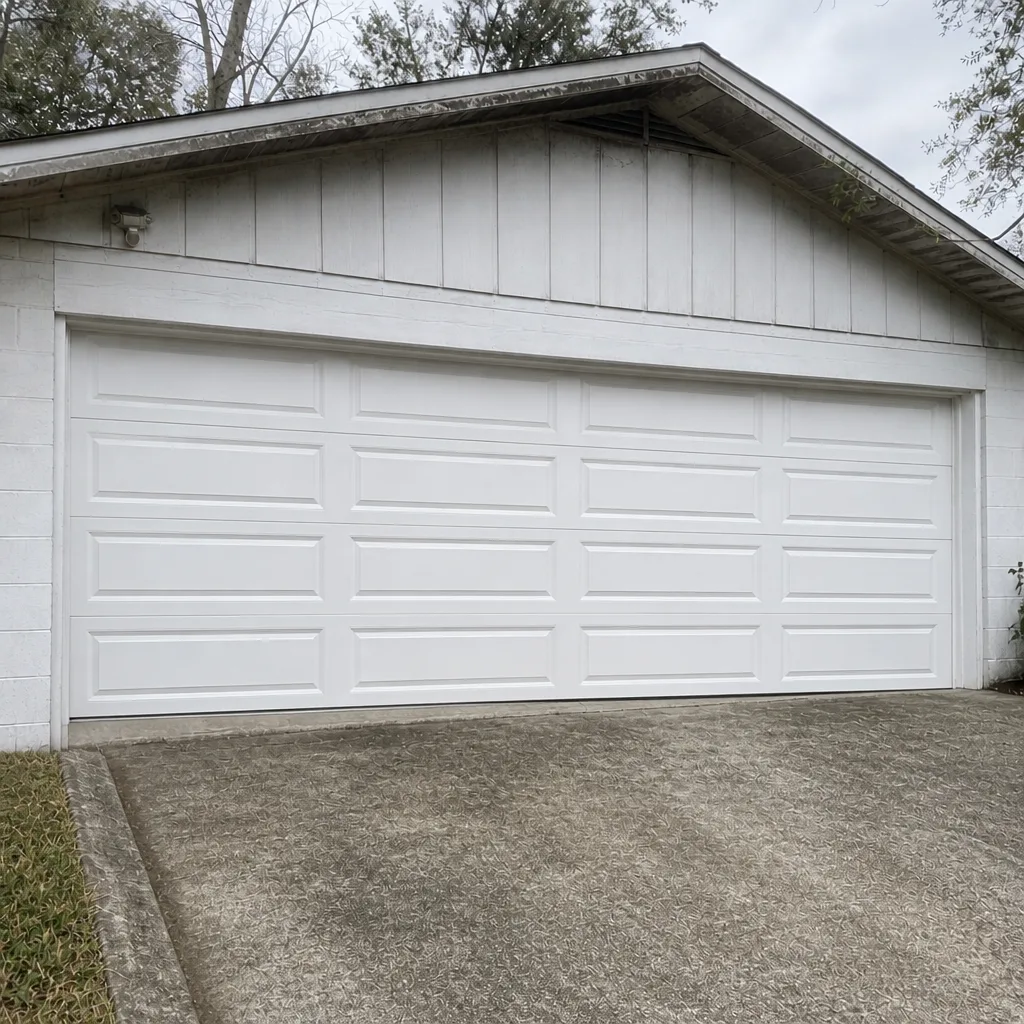 After
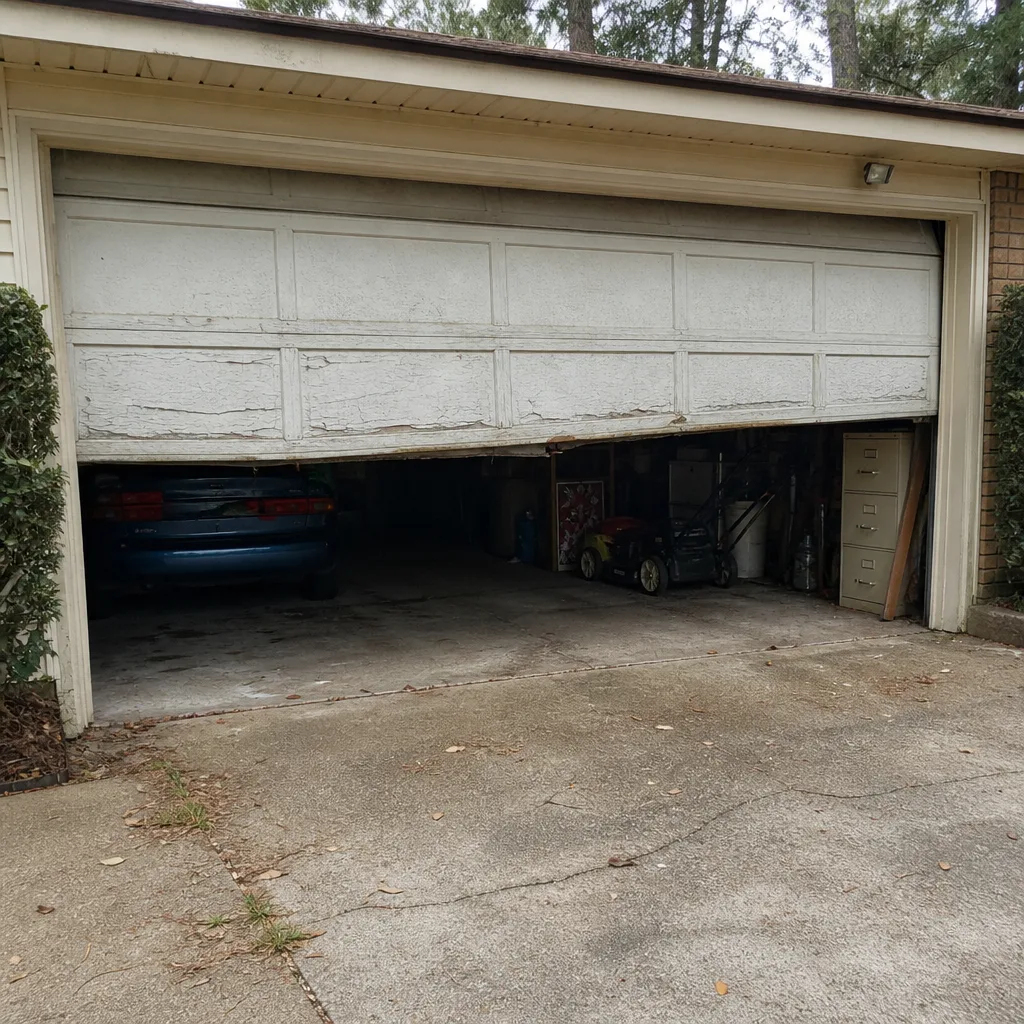 Before
 After
When to Call a Professional
Some problems need a call, and trying to save the fee isn’t worth the risk. Call a professional if the door fails the balance test with a drop or a climb, if you see frayed cables, if the spring shows corrosion or has visibly separated, if the door reverses erratically or won’t close, or if the opener motor strains without lifting the door. Any of those points to a component under tension or a safety failure, and both warrant expert eyes. If the door is stuck open and your home is exposed, that’s urgent, and emergency service is a core offering for exactly this situation. Tallahassee Garage Door Repair Experts offers free estimates in Tallahassee. Call (844) 443-3895, and the price is quoted and agreed before any work starts.
Frequently Asked Questions
Twice a year, but not on a fixed calendar: do a pre-hurricane-season inspection in May and a post-summer humidity check in October, plus a monthly balance and reversal test. Those two windows line up with the conditions that actually wear a door here, and the monthly tests catch developing problems between them.
No. WD-40 is a water-displacing spray, not a lasting lubricant, and it strips the protective coating off the spring and lets rust start faster. Use a garage-door-specific spray or spring gel instead, applied lightly to the coil.
Springs are rated by cycles rather than years. A spring rated for 10,000 cycles on a door that runs four times a day lasts around seven years, and a busier door wears it out sooner. Heavy daily use as a primary entry point is the leading cause of early failure, so check balance monthly.
You can safely run the monthly balance and reversal tests, inspect the rollers and hinges, and apply lubricant to the spring and hinge pivots. You should not touch the springs, cables, or drums. Those parts hold serious tension and cause injuries when handled wrong, so call a trained technician for anything involving them.
A proper visit covers a balance and reversal test, a spring and cable inspection, tightening of hardware, correct lubrication of the right components, track alignment, and a safety check, followed by a written summary. If a visit wraps up in a few minutes with no explanation, ask what was checked.
When several major components are near the end at the same time, or the panels are bent or rusting through, replacement is usually the better investment. A single failing spring on an otherwise sound door is a repair. The final call should come from a written estimate comparing the two options.
The core tasks are the same for any major brand, but specific details like roller type and opener drive vary. Clopay, Amarr, and Wayne Dalton doors fit the same four-task schedule we describe, and knowing the brand helps a technician move through the inspection with fewer surprises.
The Bottom Line
Your garage door doesn’t need a maintenance visit twice a year. It needs the right tasks at the right moments: a May inspection before hurricane season, an October check after the humid summer, a monthly balance and reversal test, and lubricant on the correct parts with the correct product. Those four habits catch the most common local failure modes before they become emergency calls. Know your component lifespans so you can tell repair from replacement, and know what a real professional visit includes so you can spot a shallow one. In Tallahassee, following a condition-based schedule rather than a generic calendar is the difference between a door that lasts and a door that surprises you.
When a test fails or a part needs expert hands, Tallahassee Garage Door Repair Experts has the experience to handle it. Our technicians have up to 9 years of experience, we work on all eight major brands, and we offer free estimates. Call (844) 443-3895 to book one, and see our Tallahassee garage door repair experts page to get started.
Written by the team at Tallahassee Garage Door Repair Experts.