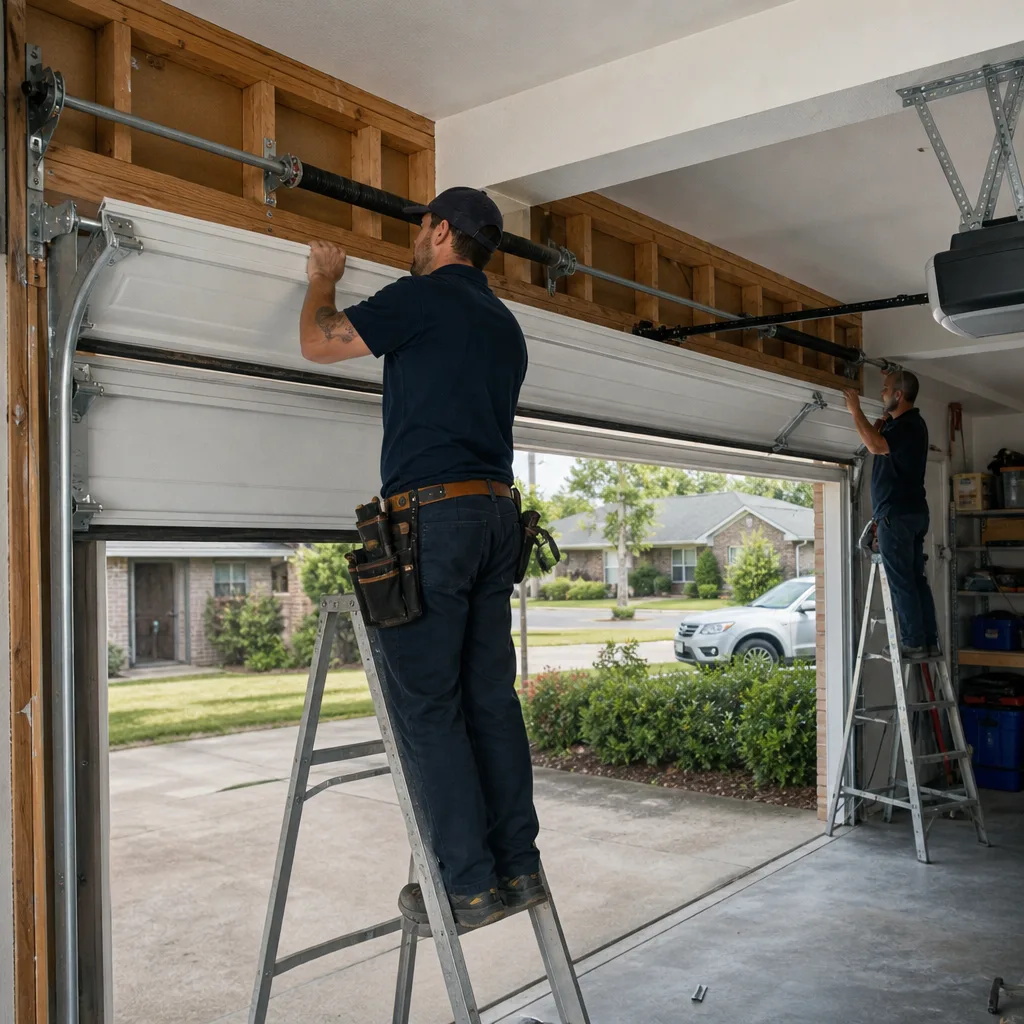
Last updated November 21, 2026
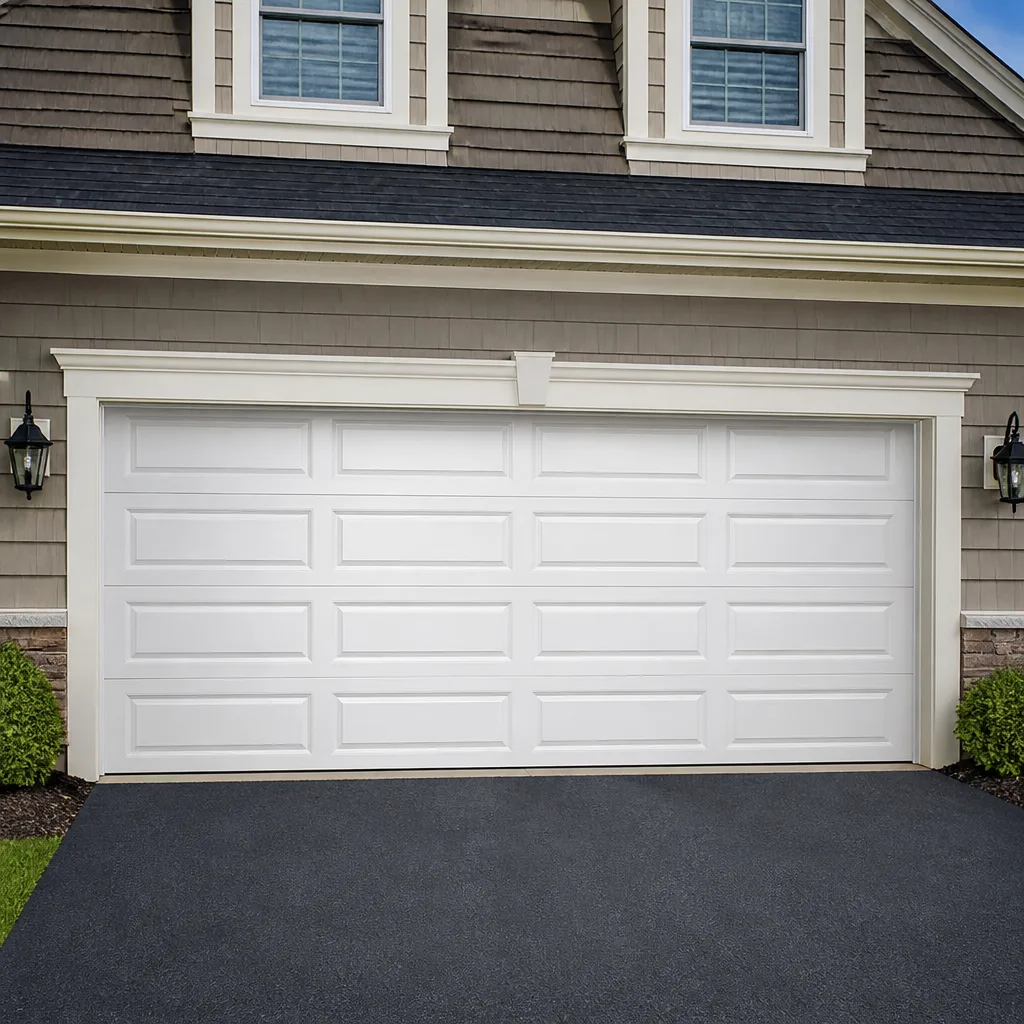 Raised-panel steel
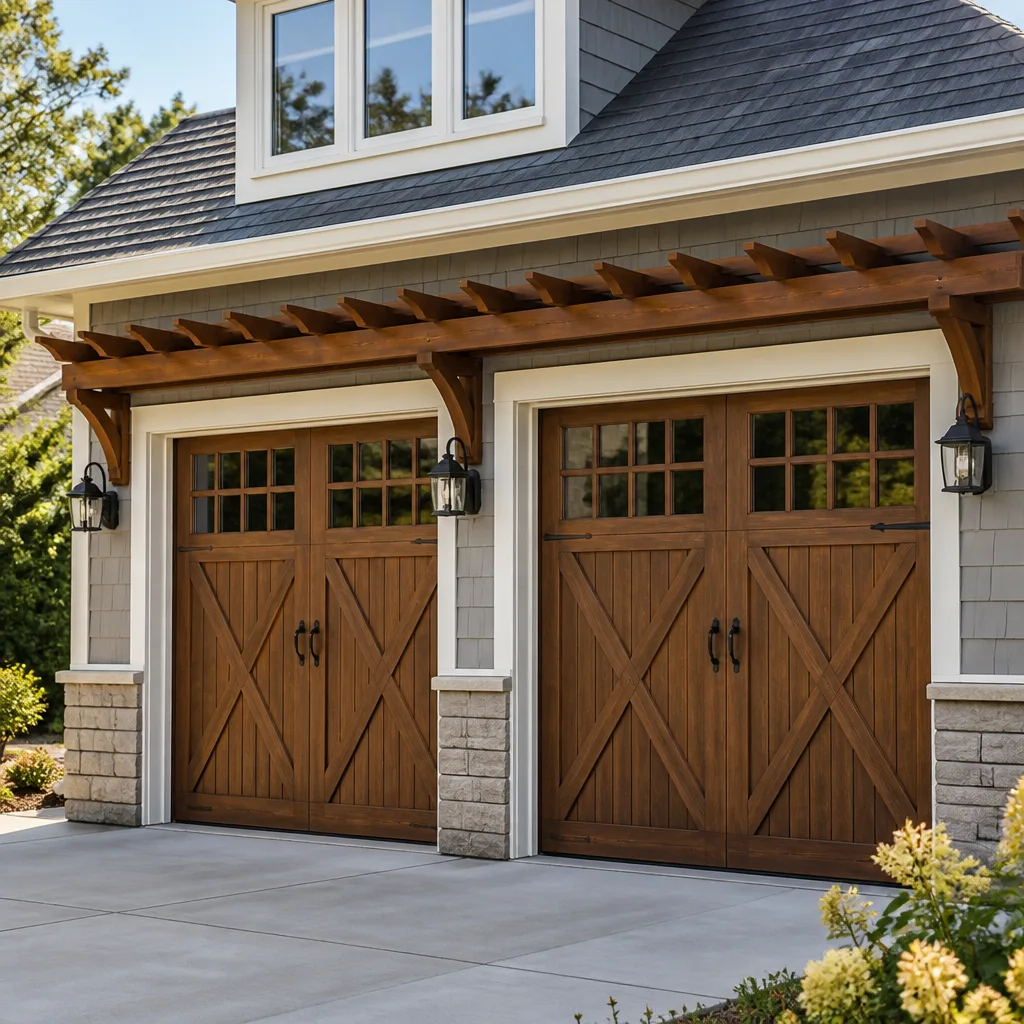 Carriage house
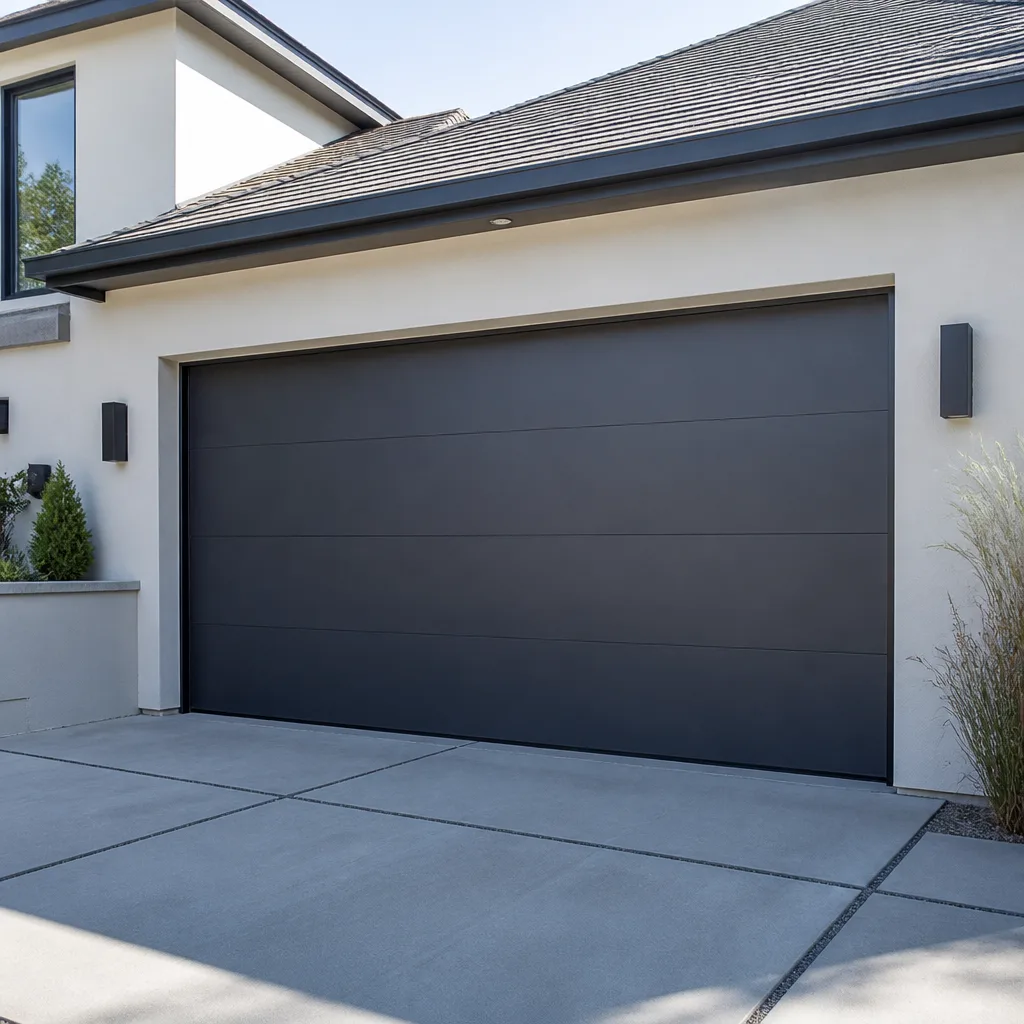 Modern flush
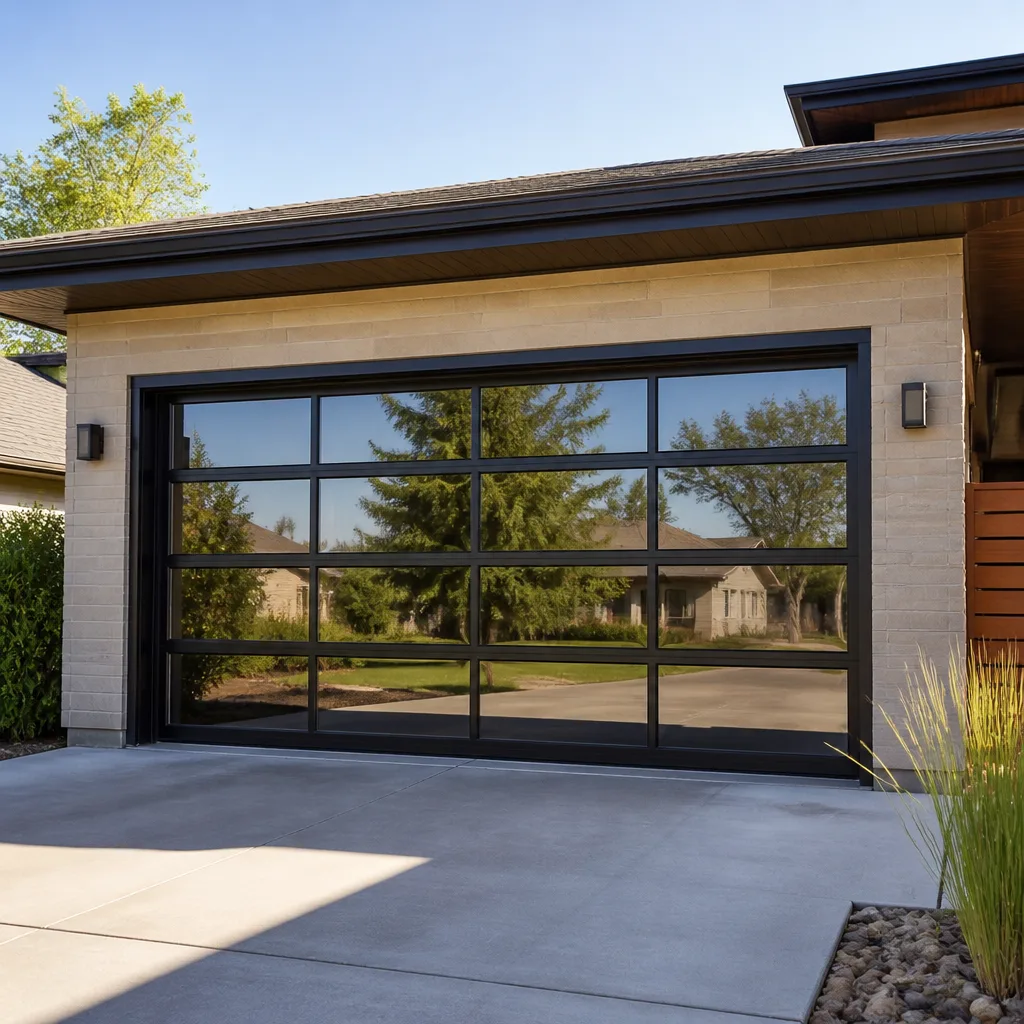 Full-view glass
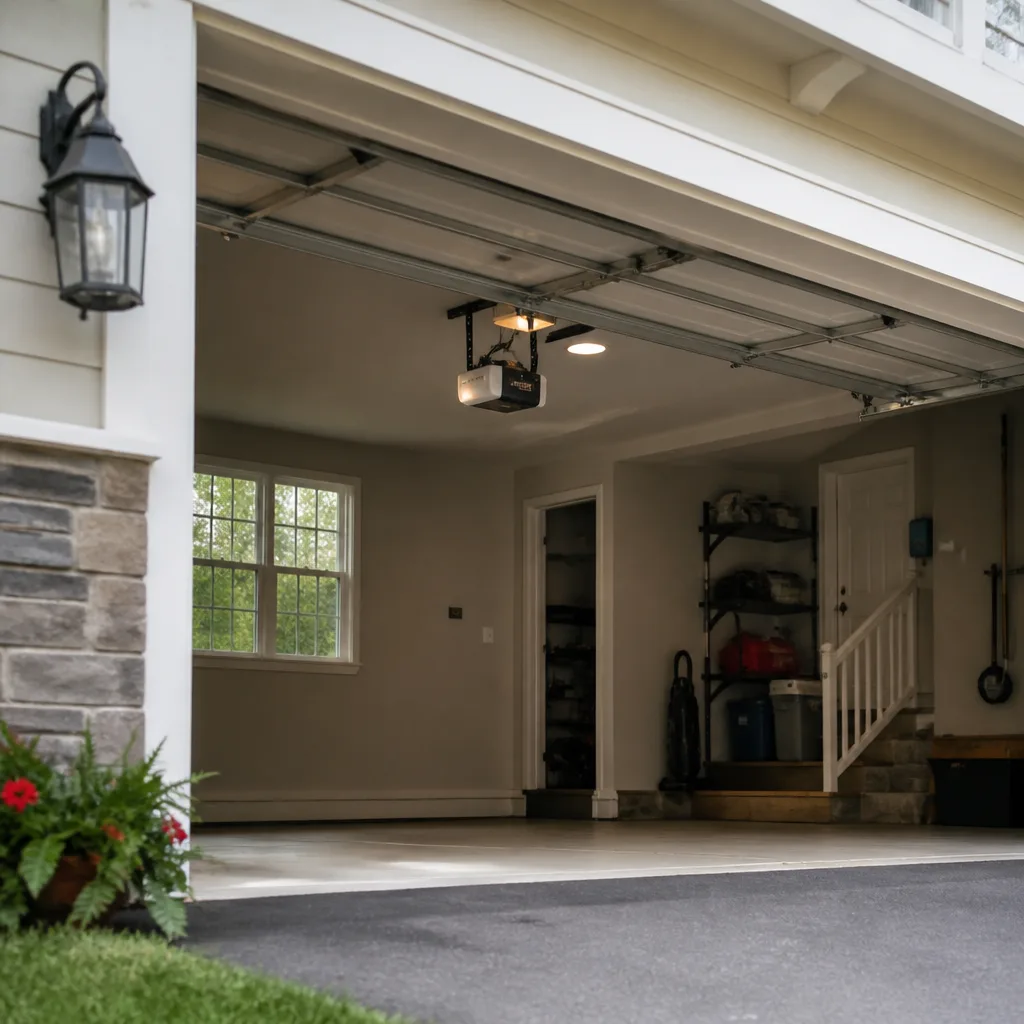 LiftMaster openers
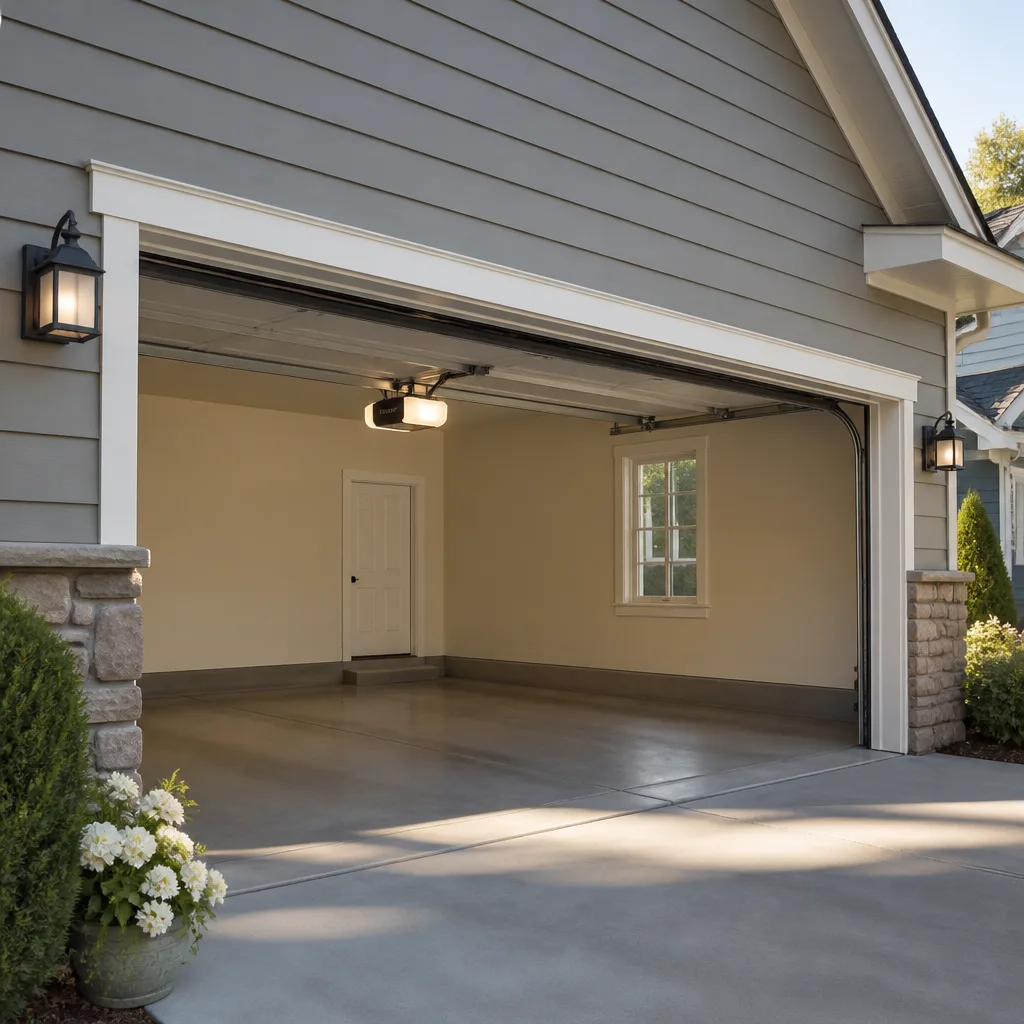 Chamberlain openers
Full 25-point door and opener safety check with every visit - springs, cables, rollers, tracks, and your LiftMaster or Chamberlain opener included
You get a price before we start. It does not change when the pro arrives.
Get your free estimateGarage Door Repair Troubleshooting in Tallahassee: Common Problems and How to Fix Them
“My garage door won’t open” is the most common call we get, and it’s also the least useful description of a problem. Six different mechanical failures produce that same symptom, and each one costs a different amount to fix. Homeowners who guess wrong end up paying for the wrong repair, or worse, hurt themselves trying to adjust a torsion spring with a pair of vise grips. This guide maps symptoms to actual causes, explains which checks are safe to do yourself in under five minutes, and shows you what to photograph before you call anyone in Tallahassee so you get a real estimate instead of a shrug.
Quick Answer
Most garage door failures in Tallahassee come down to one of four systems: the torsion spring, the opener, the door hardware (rollers, hinges, tracks), or the safety sensors. You can narrow it down in under five minutes without tools by watching and listening while the door cycles. The one rule that matters more than any troubleshooting step: never touch the springs or cables yourself, because that’s where the serious injuries happen.
Styles & brands we work with
- Raised-panel steel
- Carriage house
- Modern flush
- Full-view glass
- LiftMaster openers
- Chamberlain openers
Table of Contents
- The Four Root Causes Behind Almost Every Garage Door Failure
- Symptom-to-Cause Matrix: Noises, Behaviors, and Visual Cues
- The Five-Minute No-Tools Test: Opener, Hardware, or Spring?
- How Tallahassee Humidity Shortens the Life of Specific Parts
- Safe to Check Yourself vs. Call a Technician Every Time
- What to Photograph Before You Call for a Repair Estimate
- Why Brand Matters for Accurate Diagnosis
- Repair or Replace? Deciding What Makes Sense
The Four Root Causes Behind Almost Every Garage Door Failure
Garage doors are a counterweight system. A torsion spring or extension spring holds the full weight of the door, the opener only lifts what’s left, and the tracks and rollers keep everything moving in a straight line. When one part of that balance fails, the symptom shows up somewhere else entirely. A popping noise that sounds like it’s coming from the opener is usually a winding spring letting go. A door that closes crooked is usually a snapped cable, not a bent track. That’s why diagnosis has to start with the whole system, not the part that sounds loudest.
Here’s how we break down the four causes on a typical Tallahassee call:
- Spring failure. The door feels impossibly heavy, the opener strains or won’t lift it at all, and you may hear a sharp bang from the garage. Springs are the highest-rated tension component on the door and the most dangerous to touch.
- Opener failure. The motor runs but the door doesn’t move, the door moves a foot and reverses, or the unit clicks and hums without lifting. On chain-drive units this is often a stripped gear or a dead capacitor; on belt-drive units, a snapped belt; on smart-openers like LiftMaster and Chamberlain myQ units, sometimes a logic board or a pairing fault.
- Hardware failure. Worn rollers, a bent track, a broken hinge, or a cable that has jumped its drum. These often show up as a door that binds halfway up, scrapes on one side, or sags when it opens.
- Sensor or safety failure. The door reverses for no reason, or won’t close at all. The photo-eye sensors at the bottom of the track can be misaligned by a bump, fogged over, or knocked askew by a lawn mower.
In our experience, a single failure often hides a second one. A door with a snapped spring has usually been putting extra load on the opener for weeks, and that opener is now closer to its own failure. That’s one reason we handle repair, opener work, spring work, and installation under one company, so a homeowner doesn’t have to call a second trade when the first fix reveals something deeper.
Symptom-to-Cause Matrix: Noises, Behaviors, and Visual Cues
This is the section most homeowners want. Match what you’re hearing or seeing to the likely cause, then use the safe checks in the next section to narrow it further.
Noises
- Loud bang, then the door won’t lift. Almost always a broken spring. The bang is the spring unwinding, not the opener.
- Grinding or a metal-on-metal scrape. Worn rollers, dry hinges, or a misaligned track. On coastal-plain humidity in Tallahassee, rusted rollers are a frequent culprit.
- Popping or snapping during travel. A cable slipping on the drum or a hinge separating from a panel.
- Clicking but no movement from the opener. A failed gear, a dead capacitor, or a stripped drive sprocket inside the unit.
- Humming without lifting. The motor is trying but the door is locked, bound, or too heavy because a spring has failed.
Behaviors
- Door reverses immediately on closing. Safety sensors. Check alignment and lens condition first.
- Door reverses about a foot off the floor on opening. Weight balance. A tired spring or a broken one.
- Door moves slowly or unevenly. Binding hardware or a failing opener.
- Door opens partway, then stops for good. Limit switch setting on the opener, or a jam at one of the tracks.
- Door closes crooked, one side lower than the other. A snapped or jumped cable.
Visual Cues
- A visible gap in the torsion spring coil. Broken spring. Do not touch it.
- A slack or dangling cable. Broken or off-drum cable. Do not touch it.
- Bent vertical or horizontal track. Impact damage, often from a car bumper or a bicycle.
- White or orange rust on the spring, hinges, or rollers. Corrosion inside the moving parts. Common in garages in Tallahassee where the humidity stays high.
- Door panels warped or swollen at the bottom. Moisture absorption in wood doors.
The Five-Minute No-Tools Test: Opener, Hardware, or Spring?
Before you call anyone, you can figure out which of the four systems is failing with nothing more than your hands and your ears. Follow these steps in order and write down what you see. That record is what turns a vague “it’s broken” into an accurate phone estimate.
- Pull the emergency release rope. With the door closed, pull the red handle to disconnect the opener. The door is now moved by hand only.
- Lift the door about a foot by hand. If it feels very heavy, like lifting a car, stop. That points to a spring failure. Set the door back down carefully and call.
- If it lifts with moderate effort, move it up to about halfway and let go. A properly balanced door should stay in place or drift slowly down. A door that slams or rolls down fast points to a spring that’s lost tension.
- Push the door back to the closed position by hand. If it binds, scrapes, or needs force, you have a hardware problem in the tracks, rollers, or hinges.
- Reconnect the opener and run it with the door closed. Watch whether the opener strains, hesitates, or reverses immediately. Listen for the sound. If the door moves smoothly by hand but the opener won’t lift it, the fault is in the opener itself.
That’s the whole test. In our experience on Tallahassee calls, homeowners correctly identify the failing system about three times out of four using exactly this sequence. The fourth time, it’s a combination, which is why the diagnostic is the phone call and not the test.
How Tallahassee Humidity Shortens the Life of Specific Parts
Tallahassee sits in a humid subtropical climate. The average relative humidity runs high most of the year, and garages here see prolonged stretches of damp, warm air with poor ventilation. That has a specific and predictable effect on garage door components, and it’s a big reason the failure pattern here looks a little different from what a national troubleshooting guide describes.
- Torsion spring corrosion. Springs are oil-tempered steel wire under constant tension. Humidity attacks them from the outside in, and a rusty spring is a spring that’s closer to snapping than a clean one. Rust on the coil is one of the earliest warnings you’ll get.
- Wood door swelling. Older wood doors in Tallahassee absorb moisture and swell at the bottom rails and panel edges. Swollen panels warp, bind the tracks, and stress the hinges. Left alone, they eventually crack and rot.
- Track and roller rust. Steel tracks and rollers inside an unventilated garage get surface rust that turns into pitting. Pitted rollers stop rolling and start dragging, which forces the opener to work harder and shortens its life.
- Opener electronics. Logic boards and capacitors are sensitive to moisture and heat. A garage that gets direct afternoon sun and stays humid is a harder environment for opener electronics than a climate-controlled shop.
- Steel door panel corrosion. Painted steel doors need intact paint to resist moisture. A scratch that goes to bare metal will start rusting faster here than in a dry climate.
What does that mean for troubleshooting? If your door is a few years old and you’re hearing grinding or scraping, rust on the rollers is at the top of the suspect list. If the door has started binding on one side during rainy season, moisture-swollen panels are worth checking before you assume a track is bent. A couple of drops of lubricant on the hinges, rollers, and spring, done once or twice a year, is one of the cheapest ways to prevent the failure in the first place. And if the garage gets no airflow, leave the door open a crack when you’re home during the muggy months to let it dry out.
Safe to Check Yourself vs. Call a Technician Every Time
This is the part where we have to be blunt. Garage doors have killed people. The torsion spring stores the equivalent of a car’s weight in energy, and when it releases unexpectedly it doesn’t warn you. So we draw a hard line between what’s safe for a homeowner to check and what isn’t, regardless of how handy you are.
Safe to check yourself
- Visual inspection of the spring for a visible gap, without touching it.
- Visual inspection of the cables for slack or kinks, without touching them.
- Watching the door cycle and noting where it binds, reverses, or stops.
- Aligning the safety sensors at the bottom of the track.
- Cleaning the sensor lenses.
- Testing the door balance using the emergency release pull, as described above.
- Applying a spray lubricant to hinges and rollers from a safe standing position.
- Checking whether the wall-mounted control or remote is working when the opener isn’t.
Not safe to touch, ever
- Torsion springs and the winding bars that adjust them.
- Extension springs, cable drums, and the cables running along the track.
- Any attempt to lift a door by hand when the spring is suspected broken.
- Adjusting the opener’s force limits when the door is binding.
- Removing the track brackets from a door under tension.
If you’re not sure whether a step falls on the safe side of that line, the answer is to call. Our technicians have up to 9 years of experience with spring and cable repairs, and a licensed, insured pro working with the right tools is safer and faster than any homeowner improvising. To book a diagnostic or a garage door repair, give us a call and describe what you’ve found.
What to Photograph Before You Call for a Repair Estimate
A repair estimate should be a price, not a “we’ll have to see” range. You can turn a phone estimate into a real number by documenting the problem accurately before you call. Here’s what to capture:
- The full door from inside the garage. Stand back far enough to show the whole door, both tracks, the opener, and the ceiling mount in one frame.
- A close-up of each spring. A visible gap in the coil, or rust on the wire, is one of the most useful pieces of information you can send.
- A photo of both cable drums at the top corners. Slack cable, a cable jumped off the drum, or a kinked cable will be visible here.
- The opener label. Every opener has a manufacturer and model sticker. Photograph it. If it says LiftMaster, Chamberlain, Genie, Craftsman, or any other brand name, tell us the model. Brand-specific issues are common, and knowing the exact unit saves diagnosis time.
- The door label. Many door panels have a manufacturer sticker on the inside. Amarr, Wayne Dalton, Clopay, Raynor, and others stamp their panels.
- The bottom safety sensors. A photo straight on at each sensor, plus one showing the LED lights, tells us whether the sensors are misaligned or dead.
- Any visible damage to tracks or panels from any angle you can see.
Bring that set of photos to the call and tell us what the door is doing. We can give you a tighter estimate on the phone, and the technician arrives prepared for the right repair. It also helps you compare quotes apples to apples, because every company is quoting the same visible problem.
Why Brand Matters for Accurate Diagnosis
Openers and doors aren’t interchangeable, and a technician who works mostly on one brand is guessing when they see another. LiftMaster and Chamberlain myQ openers have their own diagnostic patterns: LED blink codes, Wi-Fi pairing quirks, and safety-reverse settings that behave differently from the traditionals. Genie openers, older Craftsman chain drives, and legacy units each have their own failure points. When an opener starts misbehaving, the brand and model tell an experienced tech an enormous amount before anyone picks up a tool.
Doors matter too. A Wayne Dalton door with its proprietary hardware, or an Amarr steel panel, or a Raynor commercial-grade door, each has different hinge and roller systems. A generic replacement part sometimes fits and sometimes doesn’t, and a “close enough” roller on a Wayne Dalton track can become a bind that wears the opener out.
We work on eight major brands: LiftMaster, Chamberlain, Genie, Clopay, Amarr, Wayne Dalton, Craftsman, and Raynor. That’s not a marketing line. It’s the reason we can diagnose your opener or door problem on the first visit more often than a general handyman can, and the reason we don’t have to call a second contractor who handles the brand you actually own. On openers, we cover both the smart-home-integrated systems and the older traditional models, which matters if you’re in a newer Tallahassee home with a connected garage and an older house with a legacy opener. Whichever you have, garage door opener repair is one phone call away.
Repair or Replace? Deciding What Makes Sense
Not every failure is a repair, and a good technician should tell you when it isn’t. This is where a few clear guidelines help. As a general rule:
- Spring failure only. Repair. Springs are a wear item, replaced in matched pairs, and the rest of the door is likely fine. Replacing just one when the other is the same age usually means the second one snaps within months, so both go together.
- Opener failure only. Repair, unless the unit is a discontinued model with no available parts, or the repair cost approaches the price of a new unit. If the opener is a decade-plus-old chain drive and the motor is failing, replacement often makes more sense than a mid-range board swap.
- Cable and hardware failure. Repair. Cables, rollers, and hinges are replaceable, and the door itself is usually salvageable.
- Major impact damage to the tracks, panels, or the door’s structural integrity. This is where replacement becomes the better call. Bent track and cracked panels on an older door add up to more than a new door is worth.
- Wood door with rot or heavy warping in a Tallahassee garage. Weigh the cost of repair against replacement seriously. A door that’s swollen and rotting at the base isn’t going to get better.
When the answer is replacement, garage door installation is available in all major brands, so you’re not stuck with whatever a single supplier stocks. If you’re not sure, ask for the repair estimate first. We’ll give you both numbers so the decision is yours.
Common Mistakes to Avoid
- Pulling the emergency release while the door is open. On some openers the door will slam under its own weight. Pull it only when the door is fully closed.
- Spraying WD-40 on the spring and calling it lubrication. WD-40 is a water displacer, not a lubricant, and it evaporates in days. Use a proper garage door lubricant, and only on the outside of the coil.
- Adjusting the opener’s force limits to fix a binding door. Cranking up the force setting masks the symptom and accelerates wear on the motor and the door. Fix the bind or the balance, not the force setting.
- Replacing just one torsion spring. Springs are rated in cycles, and a matched pair wears together. When one snaps, the other is nearly done, and replacing one now means a second service call later.
- Using a handyman or general contractor for spring work. Spring work is specialist work. Our technicians have up to 9 years of experience with springs and cables specifically, and a generalist who’s never worked with winding bars shouldn’t be your call.
- Ignoring rust in a Tallahassee garage. A rusted spring or rusted rollers in a humid garage will fail sooner than the same parts in a dry climate. Check for rust during rainy season, and address it before it fails.
- Buying a “same-day fit” replacement part online based on a photo. Garage door hardware is brand- and model-specific. A roller from one manufacturer will sometimes fit another brand but will wear the track out.
- Waiting for a broken door to “sort itself out.” A door with a snapped spring or a slack cable is putting load on parts that aren’t rated for it. Delay turns one repair into two.
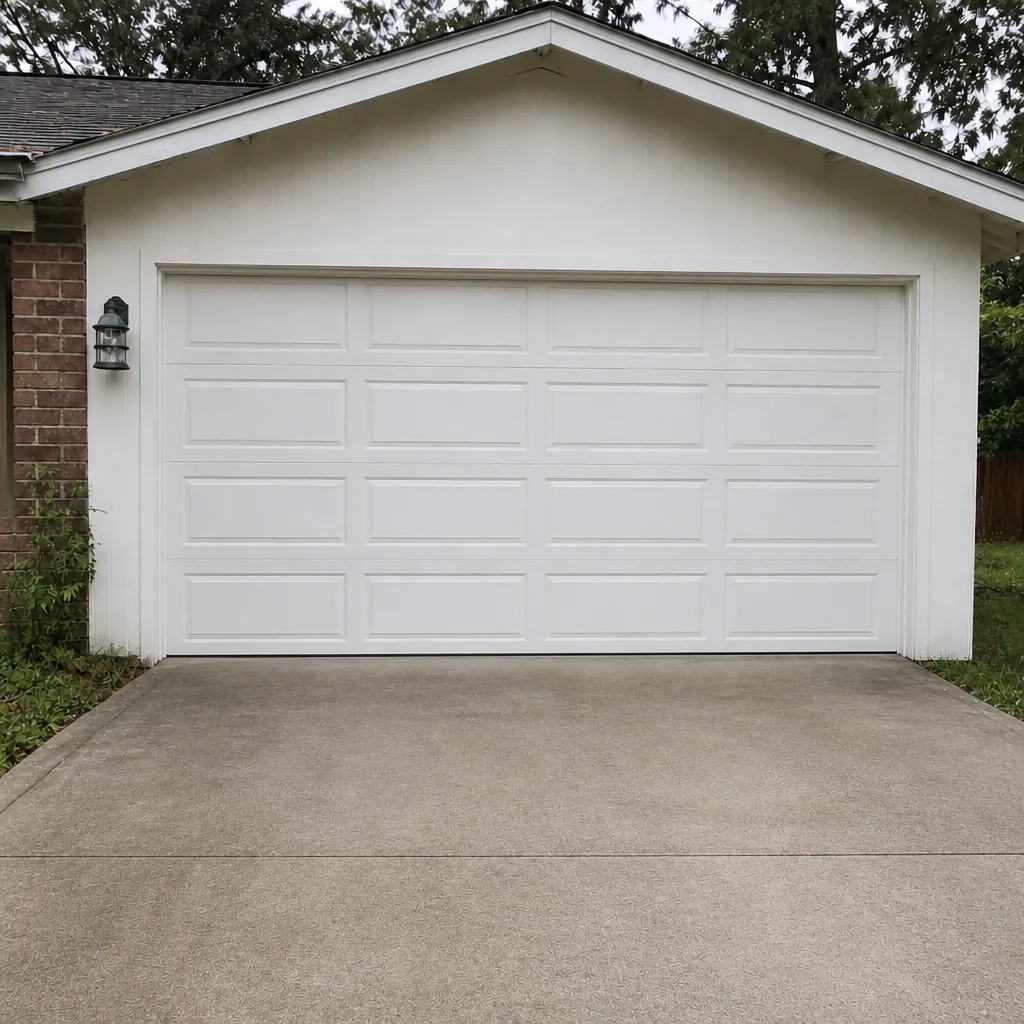
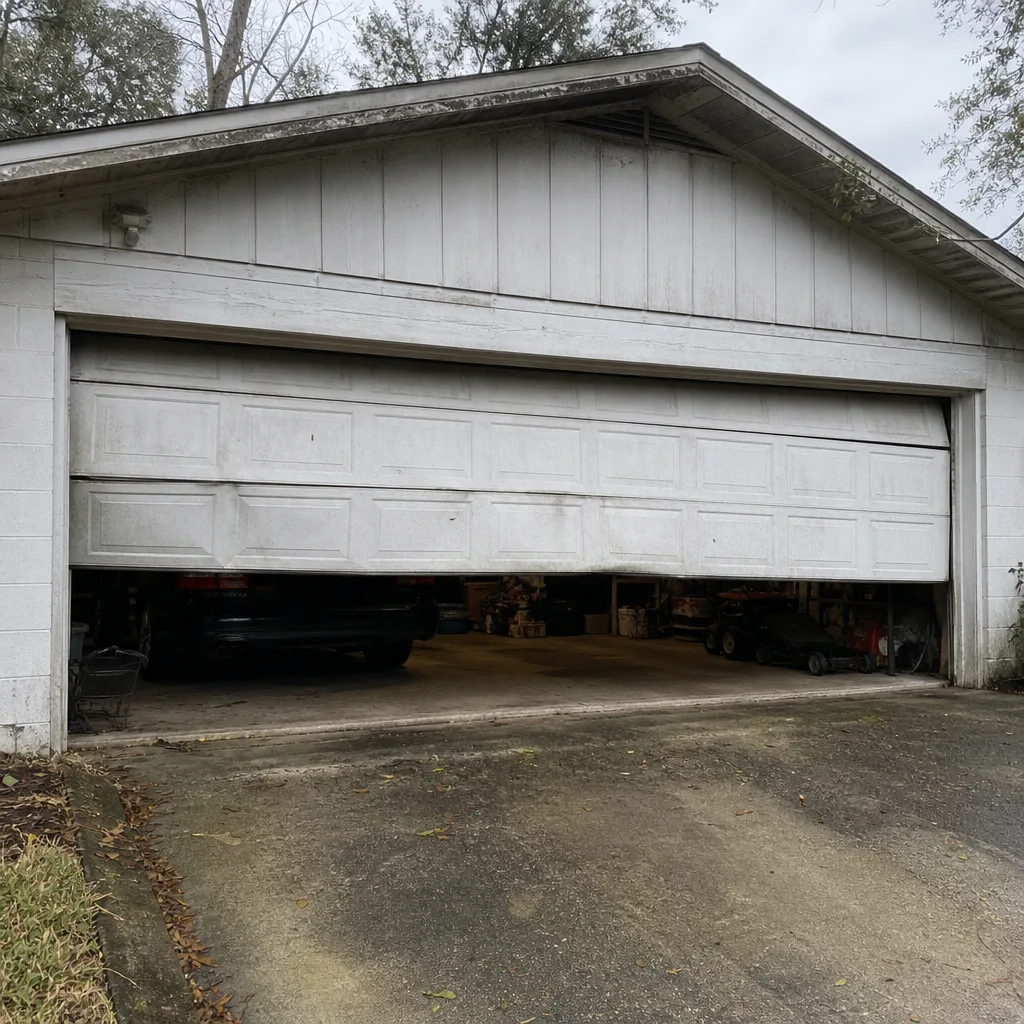
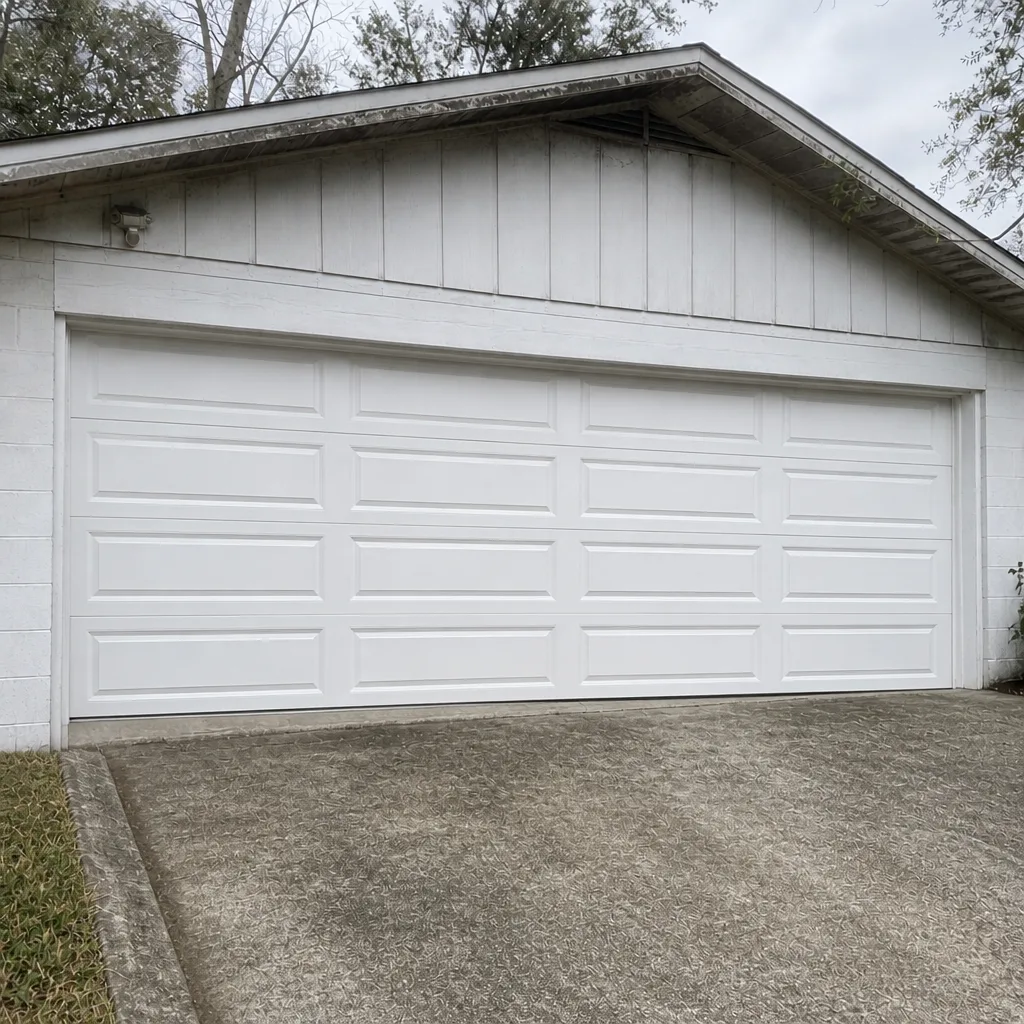
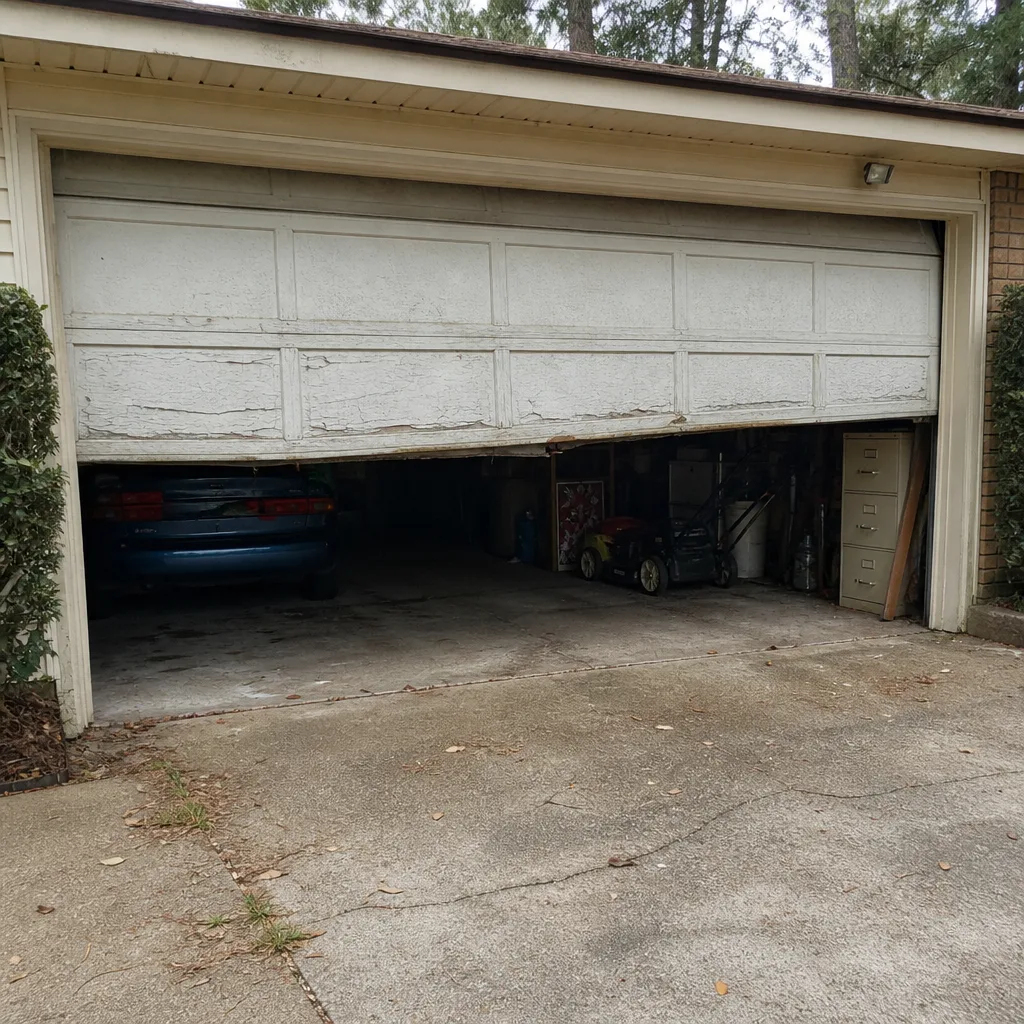
See the difference
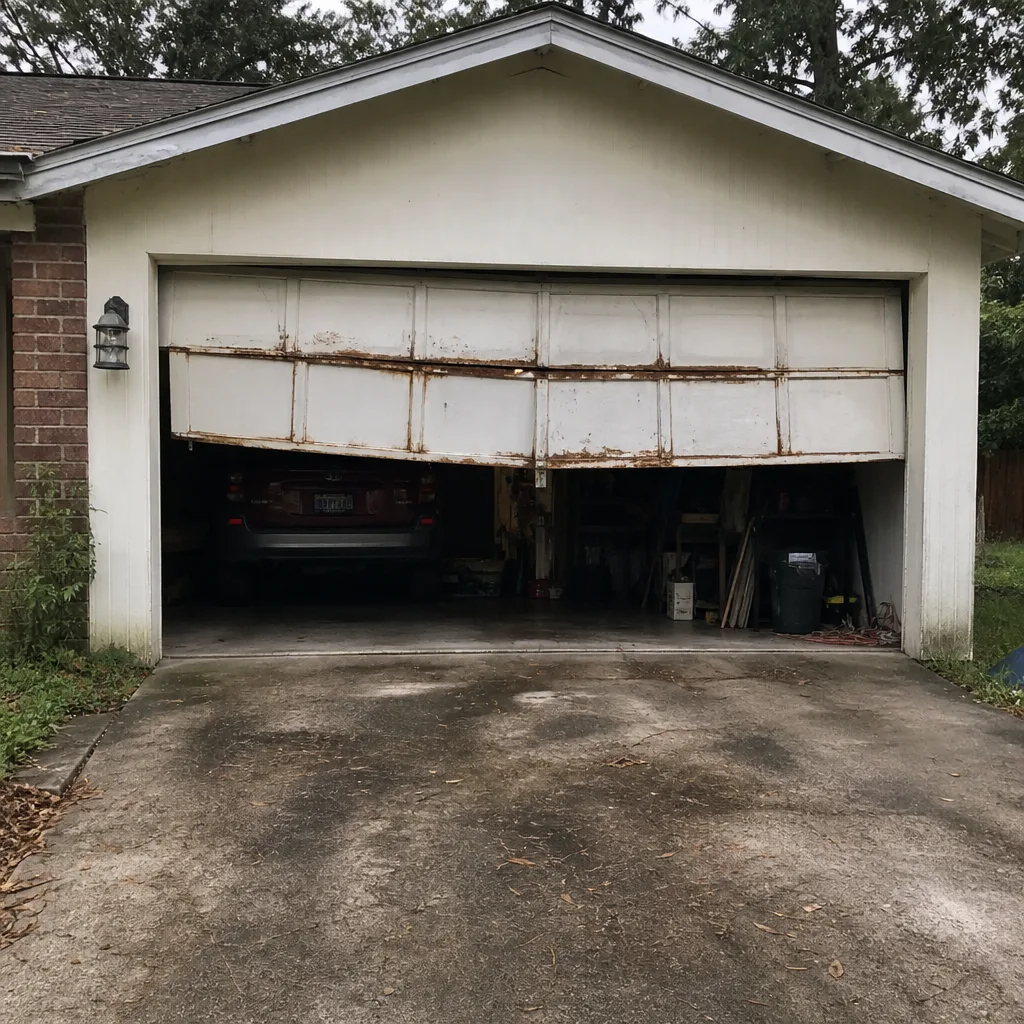 Before
 After
 Before
 After
 Before
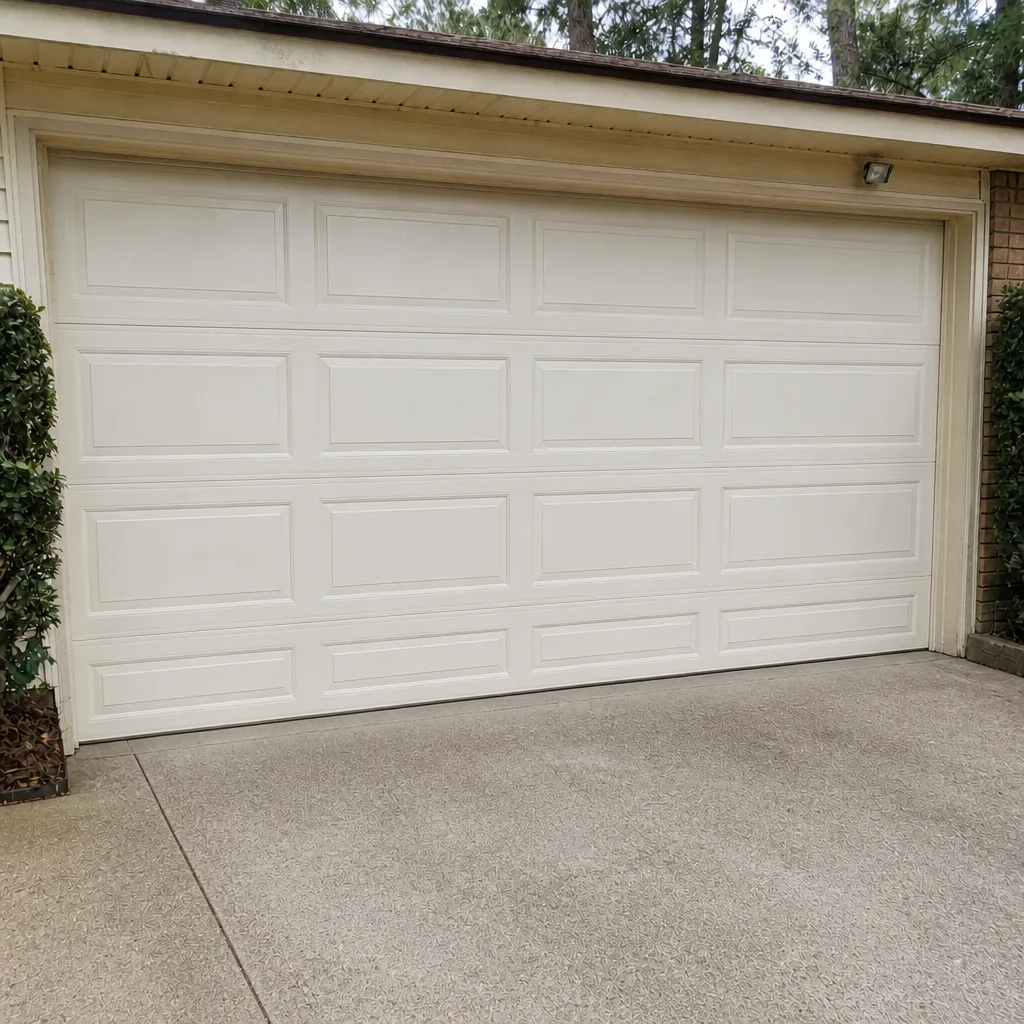 After
When to Call a Professional
Call us for any garage door failure that involves a spring, cable, or track, no matter what your comfort level with tools. Call too if the door won’t close all the way, because a garage door that stays open is a security and weather problem. Call if the opener is compromised, especially a LiftMaster or Chamberlain myQ unit that’s stopped responding after a firmware update or power outage. Call if you’ve tried to fix it yourself and the door is now in worse shape, because a wrongly adjusted door can be genuinely dangerous. And call immediately if anyone is hurt or trapped.
Tallahassee Garage Door Repair Experts offers free estimates in Tallahassee. We can do both repair and installation in a single visit when the situation calls for it, so you’re not booking one trade for the fix and another for the deeper problem. Emergency garage door service is a listed offering for urgent situations, not an afterthought. Same-day service is available. Call (844) 443-3895 to book a technician.
Frequently Asked Questions
Run the five-minute no-tools test in this guide. Pull the emergency release with the door closed, then lift the door by hand. If it feels very heavy, it’s the spring. If it lifts smoothly but the opener won’t lift it, it’s the opener. If it binds or scrapes, it’s the hardware. Call us with what you find, and we can tell you more on the phone.
The safety sensors are almost certainly the cause. Small photo-eye units at the bottom of each track need to be pointed at each other and have clean lenses. Check for anything blocking them (a shovel, a bag of mulch, a lawn chair) before assuming they’ve failed. If they’re clean and aligned and the door still reverses, the sensors themselves have likely failed. Call us to book a diagnostic.
It depends on the part, but for reference, a spring repair is priced per spring and a matched pair is replaced together, so a pair costs roughly twice a single. Most repairs are quoted as a flat range after the technician sees the door, and the price is agreed before any work starts. Call (844) 443-3895 for a free estimate. We’ll quote in writing.
No. Torsion springs are under the kind of tension that can cause serious injury or worse, and the tools and steps aren’t a DIY project for any level of homeowner. Our technicians have up to 9 years of experience with spring repairs, and we treat it as a specialty, not an add-on. Please call us rather than attempt it.
Humidity and heat are hard on rollers and hinges. Grinding usually means rusted or dry rollers that need lubrication and possibly replacement. Steel rollers in a humid garage can pit and drag rather than roll. If grease doesn’t quiet it, the rollers are worn and should be replaced. In Tallahassee this is one of the most common fixes we see during the muggy months.
If the door is stuck open, your house is exposed, or someone is locked in or out, call us now. Emergency garage door service is available for exactly those situations. If the door is closed and secure and nobody is stuck, waiting for a scheduled visit is fine, and you’ll get a free estimate either way.
The Bottom Line
Most failures come down to four root causes: the spring, the opener, the hardware, or the safety sensors. The five-minute no-tools test will tell you which one you’re dealing with, and photographing the door, the springs, the cable drums, and the model labels will get you an accurate estimate instead of a wide range. Never touch a spring, cable, or drum. And when the symptom doesn’t match any pattern, or when the door is stuck open, call a specialist.
Tallahassee Garage Door Repair Experts covers repair, spring repair, opener repair, installation, and emergency service on the eight major brands, and it’s all one call. Call (844) 443-3895 for a free estimate.
You can read more in our guide to Tallahassee Garage Door Repair Experts.
Written by the team at Tallahassee Garage Door Repair Experts.