Last updated November 21, 2026
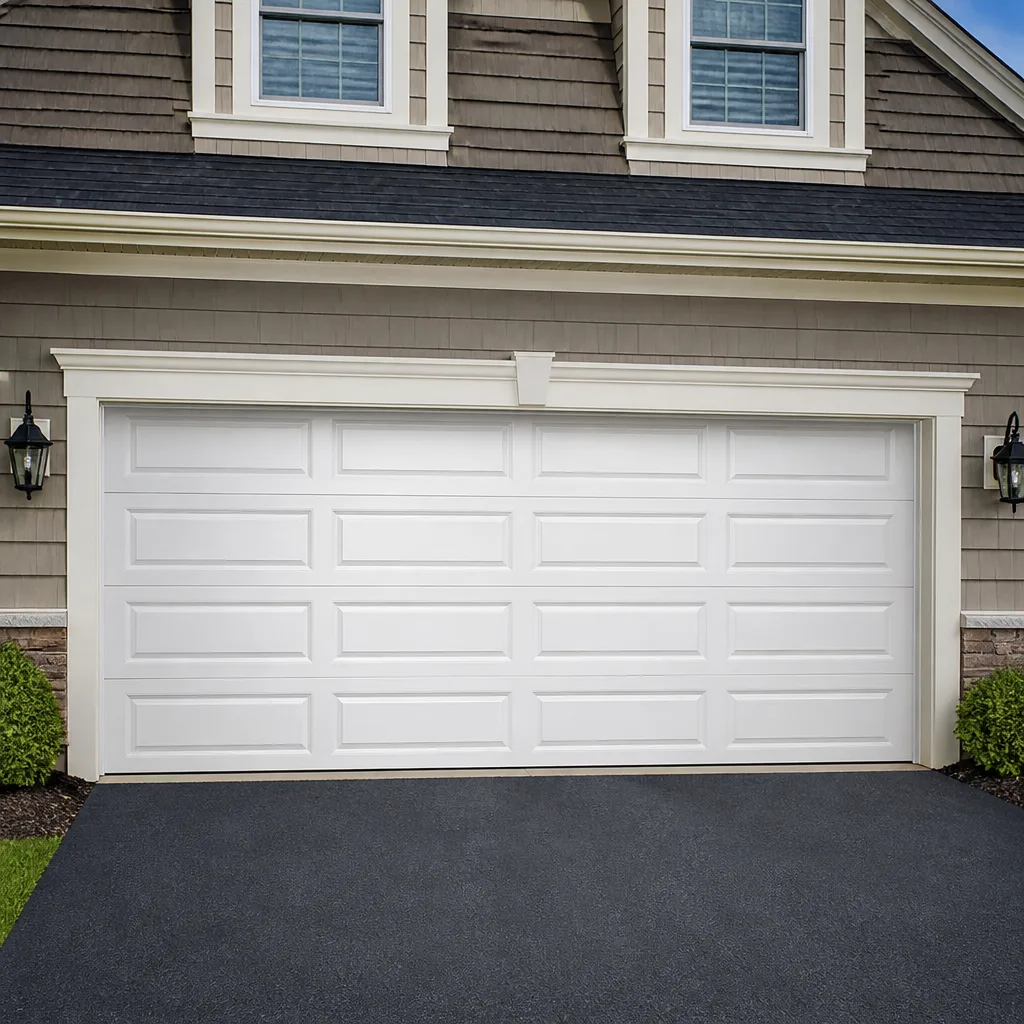 Raised-panel steel
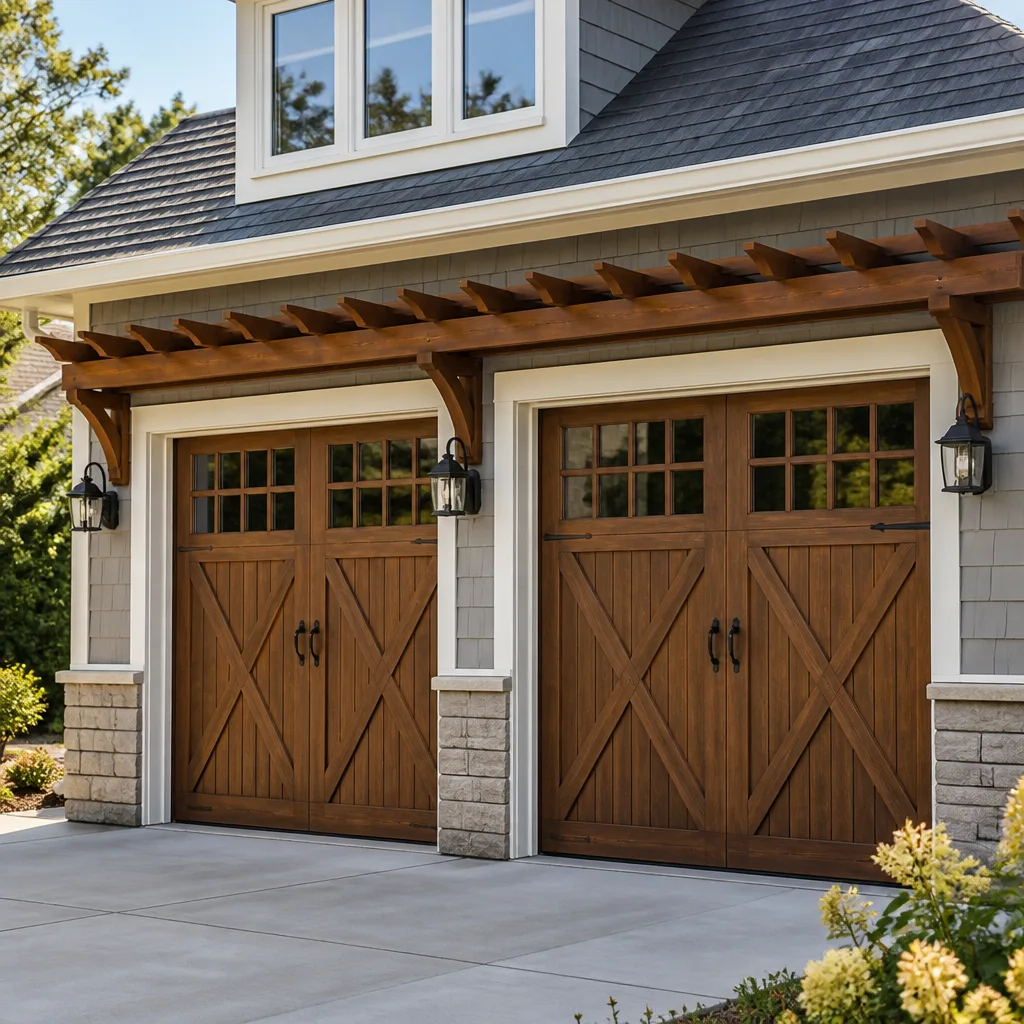 Carriage house
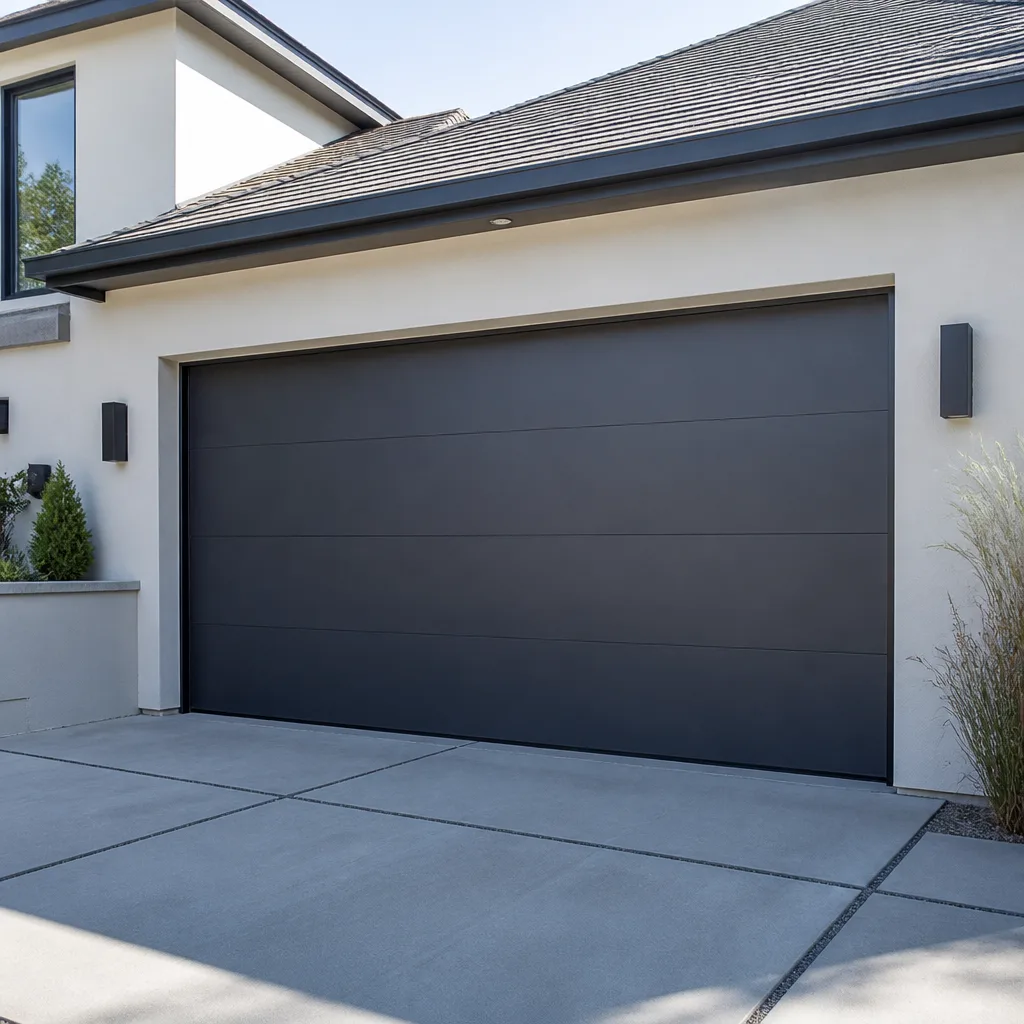 Modern flush
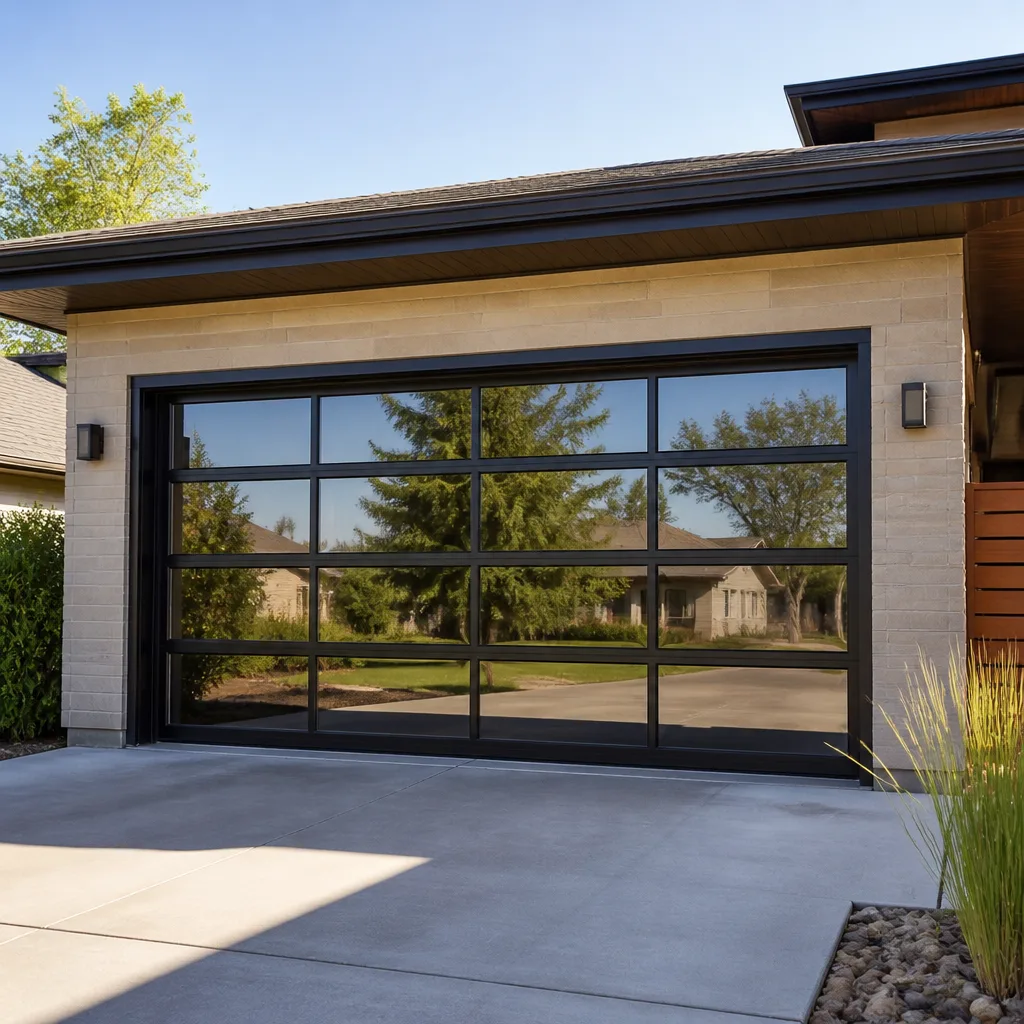 Full-view glass
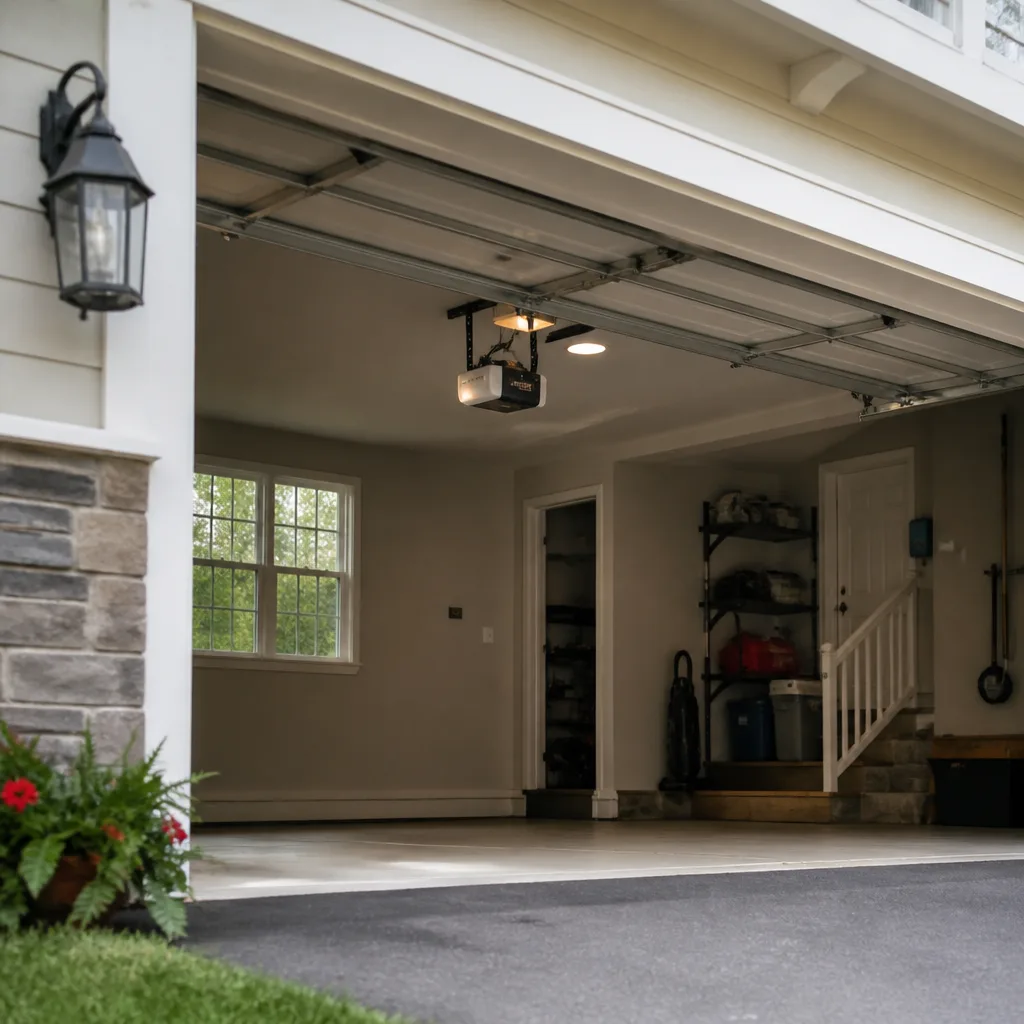 LiftMaster openers
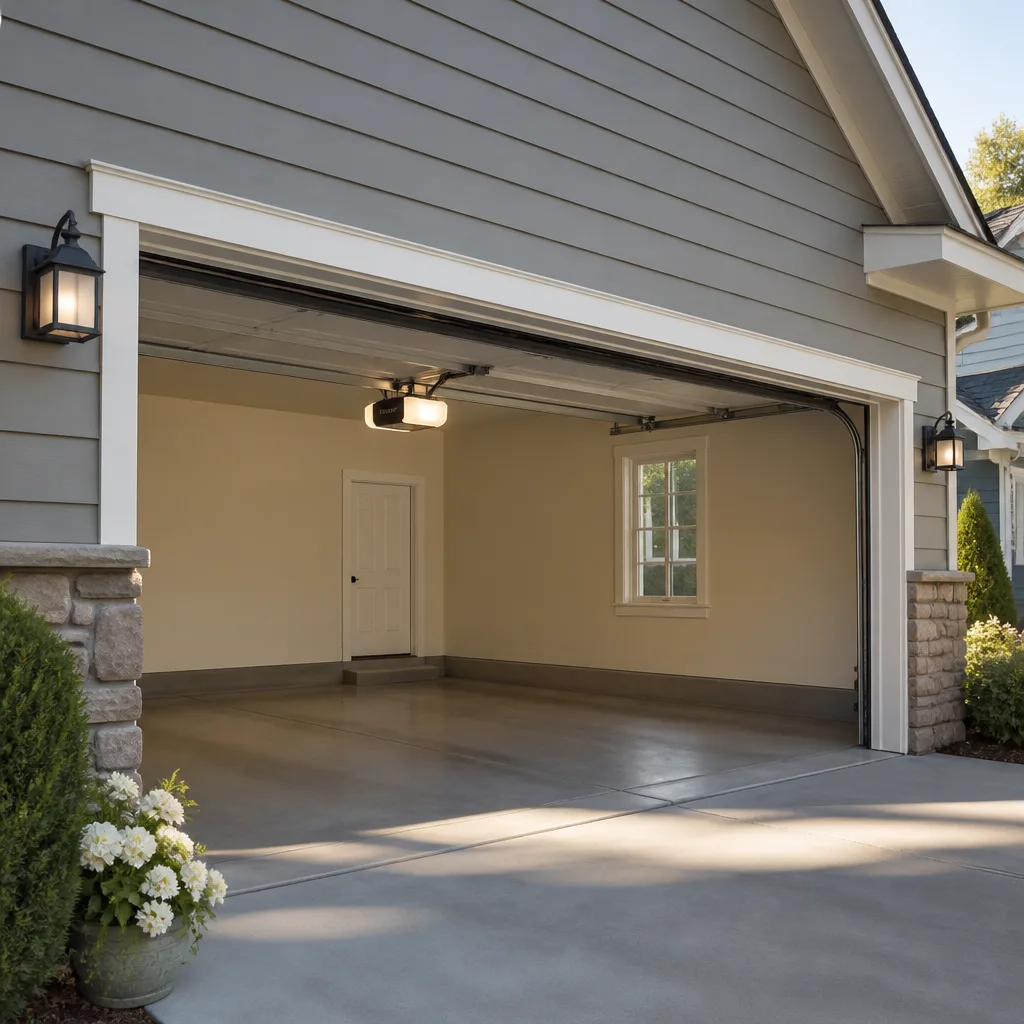 Chamberlain openers
Full 25-point door and opener safety check with every visit - springs, cables, rollers, tracks, and your LiftMaster or Chamberlain opener included
You get a price before we start. It does not change when the pro arrives.
Get your free estimateSeasonal Garage Door Care for Tallahassee: Year-Round Homeowner’s Guide
Most homeowners here wait until something breaks. That’s the misconception this guide exists to correct: in Tallahassee, the busiest stretch for emergency garage door calls isn’t a January freeze or a July heat wave. It’s the 48 hours before a tropical storm is forecast to make landfall, when months of deferred maintenance suddenly become a crisis and a creaking door turns into a security problem. We’ve watched that pattern repeat across every neighborhood in Tallahassee, and it’s almost always preventable. This guide walks through the four real stress periods a garage door faces in Tallahassee, gives you a specific checklist for each one, and shows you what to inspect yourself and what to leave to a technician. Read it once, then keep it around for the months that matter.
Styles & brands we work with
- Raised-panel steel
- Carriage house
- Modern flush
- Full-view glass
- LiftMaster openers
- Chamberlain openers
Quick Answer
Seasonal garage door maintenance in Tallahassee works best when you think in four stress periods rather than four traditional seasons: pre-storm preparation in May, peak humidity maintenance in July and August, post-storm inspection in October, and a cold snap check in December and January. Each period stresses a different part of the door and opener, so a single annual inspection misses most of what actually fails. A short, targeted checklist before each period catches the majority of expensive problems while they’re still cheap to fix.
Table of Contents
- Why Tallahassee Has Four Stress Periods, Not Four Seasons
- The Pre-Hurricane Checklist: What to Verify Before Storm Season
- Peak Humidity Summer: What July and August Do to Your Door
- Why Opener Logic Boards Struggle in the August Heat
- Pollen Season and Your Sensors, Tracks, and Weatherstripping
- Post-Storm Inspection: The October Routine
- Winter Cold Snap Protocol for a Climate That Rarely Freezes
- What You Can Check Yourself vs. What Needs a Technician
- Common Mistakes to Avoid
- When to Call a Professional
- Frequently Asked Questions
- The Bottom Line
Why Tallahassee Has Four Stress Periods, Not Four Seasons
Garage door care advice written for a Midwest homeowner assumes a long, cold winter followed by a wet spring, a hot summer, and a dry fall. Tallahassee doesn’t work that way. Our winters are mild, our summers are long and brutally humid, and the real threat to a garage door isn’t temperature swing. It’s moisture, pollen, UV exposure, and the occasional tropical system pushing through the Gulf.
That means the standard “check your door twice a year” advice undersells what actually goes wrong here. In our experience working across Tallahassee, the failures we see cluster into four distinct periods, each stressing different components:
- Pre-storm season (May). Wind load, bracing, bottom seal integrity, and opener battery backup. This is the window where preparation actually prevents damage.
- Peak humidity summer (July and August). Wood swelling, weatherstripping lifting, track misalignment, and sensor problems from pollen and debris.
- Post-storm inspection (October). Hidden damage from wind-driven rain, bent panels, loose brackets, and opener strain that shows up weeks after a system passes.
- Winter cold snap (December and January). Brief nights near 25°F thicken lubricants, make springs brittle, and expose opener gears that were already wearing down.
Notice what’s missing: snow, ice dams, and frost heave. None of them apply here, and any guide that warns you about them isn’t written for Tallahassee. What does apply is a climate that spends most of the year above 80 degrees with humidity that never really drops, and a hurricane season that runs from June through November. Treating a Tallahassee door like a door in Ohio means missing the pre-storm window that prevents the majority of storm-related failures we get called out for.
If your door is already showing symptoms going into any of these periods, it’s worth having it looked at rather than waiting for the next one. You can read more about what we handle on our main Tallahassee Garage Door Repair Experts page, or call us directly to talk through what you’re hearing.
The Pre-Hurricane Checklist: What to Verify Before Storm Season
This is the most important section in this guide. The 48 hours before a tropical storm makes landfall are when most Tallahassee homeowners finally think about their garage door, and by then it’s often too late to fix what’s wrong. Move the work forward to May, before the season officially starts, and you’re working with time to spare.
Here’s the pre-storm checklist we walk through with homeowners. You can do several of these yourself; the ones involving hardware and bracing are best left to a technician.
- Inspect the bottom seal. Run your hand along the rubber or vinyl seal at the bottom of the door. It should be flexible and make continuous contact with the floor. Cracked, hardened, or gapping seals let wind-driven rain and debris under the door and are one of the first things to fail in a storm.
- Check the bracing and brackets. Look at the hinges, brackets, and horizontal reinforcement on the inside of the door. Loose or rusted fasteners should be tightened or replaced. On heavier doors, horizontal reinforcement struts across the top panel make a real difference to wind resistance.
- Test the opener’s battery backup. If you have a battery backup on your opener, press the wall button during a power-off test to confirm it lifts the door. If the battery is dead, replace it before storm season rather than during a power outage.
- Test the manual release. Pull the emergency release handle (usually a red cord) and lift the door by hand. It should move smoothly and hold its position about halfway up. A door that won’t stay up on its own is showing spring or balance trouble that a storm will make worse.
- Clear the tracks and test the safety reversal. Wipe down the vertical and horizontal tracks, check for dents or debris, and place a roll of paper towels or a piece of wood in the door’s path and close it. The door should reverse on contact.
- Confirm the door is balanced. A door that hangs, jerks, or feels heavy on manual operation is a door under strain. Balance issues that are minor in calm weather become serious when wind pressure is added.
If any step in that list turns up a problem, address it before the season, not after the first named storm. A bottom seal, a set of reinforcement struts, or a fresh battery is a small job done in May. The same problem becomes an emergency repair when it’s 48 hours before landfall and every technician in Tallahassee is booked.
If you’d rather have the whole checklist done in one visit, that’s exactly the kind of work we handle. It’s part of our general garage door repair offering, and it’s a good chance to catch small issues before they become storm damage.
Peak Humidity Summer: What July and August Do to Your Door
July and August are the months when Tallahassee’s humidity does its quiet work. Averages stay high, the air holds water, and anything that can absorb moisture does. For a garage door, that means a handful of predictable problems show up every summer, and they tend to compound if you ignore them.
The most obvious is on wood doors. Wood panels and frames swell with humidity and shrink when it drops, and that expansion and contraction puts stress on joints, hinges, and the frame itself. If a wood door starts rubbing or sticking in mid-July, it’s usually humidity swelling rather than a failing mechanism. Steel and aluminum doors avoid the swelling problem, but their weatherstripping and seals still take the abuse. The rubber and vinyl weather seals around the perimeter of the door harden faster in constant heat and UV, peel away from the frame, and stop sealing properly.
- Weatherstripping lifts. The seal around the door frame pulls away from the jamb and the bottom seal hardens. Both are cheap to replace and expensive to ignore.
- Tracks go out of alignment. Heat expansion and daily cycles of use can shift tracks slightly, especially on older doors. A door that rubs or scrapes along one side is usually a track alignment issue.
- Rollers and hinges dry out. Lubricant thins and breaks down faster in sustained heat, which is why we recommend re-lubricating rollers, hinges, and springs at the start of summer.
- Sensors collect debris. Dust and pollen film builds up on the photo-eye lenses and triggers false reversals or doors that won’t close at all.
The good news is that summer is also a comfortable time to schedule a maintenance visit. It’s not a peak-demand period, so booking before the heat peaks is easier. If your door is running hard, a technician can lubricate everything, check the balance, and replace worn seals in one trip. If the opener is the problem, our garage door opener repair service covers the common summer failures.
Why Opener Logic Boards Struggle in the August Heat
Opener problems in Tallahassee spike in August, and the cause is usually a combination of heat and strain rather than a single failure. The opener motor and the logic board inside the unit both run hotter in a garage that’s already sitting above 100 degrees in the afternoon. That heat accelerates wear on the components that manage the door’s travel and safety features.
The most common symptom is false reversal. The door starts to close, then reverses on its own, or stops partway and blinks an error code on the unit. Nine times out of ten, the first thing to check is the safety sensors, because pollen, dust, and spiderwebs on the photo-eye lenses cause exactly that behavior. But when the sensors are clean and the door still reverses, the logic board or the travel limits are the next place to look, and that’s usually a technician job.
Older openers are more vulnerable. Legacy systems from Craftsman and Genie that are still running fine in the cooler months often start misbehaving in August because their capacitors and boards are already degraded. Modern smart-home openers like the LiftMaster and Chamberlain myQ systems have more diagnostics built in, which makes them easier to troubleshoot, but their logic boards still run hot in a closed garage and can throw false errors when they overheat.
If your opener is behaving worse in August than the rest of the year, the fix is usually one of a few things: a sensor alignment, a logic board replacement, or an opener that’s simply reached the end of its life. We work on all of the major brands, so a technician who arrives can diagnose by brand rather than guess. The best time to schedule a check is before the heat peaks, not during a week when the door won’t close at all.
Pollen Season and Your Sensors, Tracks, and Weatherstripping
Tallahassee’s spring pollen season gets less attention than the storms and the heat, but it does real damage to a garage door in slower, more persistent ways. Pine pollen coats everything, and a garage door sits right in its path. The pollen film builds up on the safety sensor lenses, the tracks, and the weatherstripping, and each of those affects how the door runs.
On the sensors, a film of pollen is enough to break the invisible beam between the two photo-eyes at the bottom of the door. The result is a door that reverses on close or won’t close at all, and it usually happens on a morning when you’re already running late. A quick wipe with a soft cloth fixes it. The tricky part is that pollen build-up on the lenses is easy to miss because it doesn’t look like a problem until the door refuses to close.
On the tracks, pollen combines with dust and the light oil film on the rollers to make a sticky paste that slows the door down and can cause it to hang or jerk. Wiping the tracks down and re-lubricating with a silicone-based spray at the start of pollen season prevents most of that. Avoid grease, which attracts pollen and grit rather than shedding them.
The most overlooked pollen problem is weatherstripping adhesion. Pollen film on the door frame stops the adhesive on new weatherstripping from bonding properly, which means a seal installed in March may start peeling by May. If you’re replacing seals during pollen season, wipe the frame clean and let it dry before applying the new strip. It’s a small step that extends the life of the seal considerably.
Pollen season runs roughly February through April in Tallahassee, and it’s a good time to do a full visual check of the door. Amarr and Wayne Dalton doors, in particular, have weatherstripping profiles where pollen accumulation in the frame channels causes the seal to lift. A quick inspection in April catches it before summer arrives.
Post-Storm Inspection: The October Routine
Once the peak of hurricane season has passed, usually by October, it’s time to look at what the storms actually did. Wind-driven rain, even from a system that passes offshore, can push water into places it doesn’t belong, and a door that appears fine after a storm often develops problems a few weeks later. This is the period when hidden damage gets caught early or becomes expensive.
Here’s the post-storm check we recommend once the season is winding down:
- Look for water intrusion inside the garage. Water stains or dampness along the floor line, especially near the bottom seal, point to a seal or threshold problem the storm exposed.
- Inspect every panel for dents and bends. Wind-blown debris can bend a panel without breaking it. A bent panel stresses the hinges and rollers and eventually pushes the door out of balance.
- Check the braces and wall brackets. Wind pressure loosens the wall brackets that hold the horizontal track and the torsion bar. Loose brackets are one of the leading causes of doors coming off track during a storm.
- Run the door by hand and then by opener. Any new noise, rubbing, or jerking is a sign that the storm shifted something. Compare it to how the door felt in spring.
- Test all opener safety features. Re-run the reversal test and confirm the photo-eyes are still aligned. Storms and settling can throw them out of alignment.
- Inspect the torsion springs. Springs take a beating from all the storm-season cycling. On a door that’s been used heavily through the summer, a post-storm inspection is the time to check for fatigue, especially if the door has lost its balance.
If you find something that needs repair, it’s better to fix it in October than to wait for the pre-storm rush the following May. Our garage door repair work covers everything from panel replacement to spring repair after storm damage, and post-season repair is generally easier to schedule than pre-season repair.
If your post-storm inspection turns up enough damage that the door is beyond practical repair, that’s a different conversation. Our garage door installation team can walk through replacement options, and doors from Clopay and Amarr are worth comparing for wind resistance if you’re starting fresh.
Winter Cold Snap Protocol for a Climate That Rarely Freezes
Tallahassee doesn’t get the prolonged freezes a northern climate does, but it does get a handful of nights each winter in the mid-20s. Those brief cold snaps catch homeowners and doors off guard precisely because they’re uncommon. A door that runs perfectly at 70 degrees can behave very differently on a 25-degree morning, and understanding why prevents a lot of unnecessary panic.
The first thing that happens on a cold night is the lubricant thickens. The grease and silicone on the rollers, hinges, and springs stiffens, which makes the door harder to lift and puts more strain on the opener. If your door feels sluggish on the first cold morning of the year, that’s why. It’s also a signal that the lubricant needs replacing, since fresh silicone-based lubricant stays flexible in colder temperatures.
The second thing is that springs become brittle. Torsion springs are steel under tension, and cold steel loses some of its flex and toughness. A spring that’s already fatigued is far more likely to fail on a cold morning than at any other time of year. Most spring failures we see in Tallahassee happen over a handful of cold nights in December and January, when the door runs for the first time in weeks under cold conditions.
A simple cold snap routine:
- Before the first freeze, lubricate the springs, rollers, and hinges with a cold-weather-rated silicone spray rather than grease.
- Test the balance by hand when the weather first turns cold, before the opener does the work of lifting a door that’s fighting stiff lubricant.
- Run the opener’s force adjustment test if your model has one, to confirm it has enough force to lift the door in cold weather. Don’t push the setting higher than needed; if the door requires more force than usual, that’s a strain warning, not something to force through.
- Listen on the first cold morning. A door that groans, jerks, or hangs on a cold morning is telling you the lubricant or the springs need attention.
One important caveat: cold-weather spring work is not a DIY job. Torsion springs are under extreme tension and can fail violently if handled without the right tools and training. If a spring breaks on a cold morning, don’t attempt a replacement. Call a technician trained for the repair, which is exactly the kind of work our dedicated spring repair service exists for.
What You Can Check Yourself vs. What Needs a Technician
Some seasonal maintenance is well within reach for a homeowner with a few basic tools. Other parts of the job belong with a technician, for safety and for the quality of the result. Here’s how to tell which is which.
Work you can safely do yourself:
- Wipe pollen and dust off the safety sensor lenses.
- Wipe down the tracks with a damp cloth and lubricate rollers and hinges with silicone spray.
- Test the safety reversal feature by placing an object in the door’s path.
- Replace the opener’s backup battery and the wall station batteries.
- Check the bottom seal for cracks or gaps and note the condition.
- Clean the photo-eye area of the garage floor and check for obstructions.
Work that needs a trained technician:
- Torsion spring replacement or adjustment. Springs are under extreme stored energy and can cause serious injury if mishandled. Never attempt this yourself, even on a door that “only needs a small adjustment.”
- Cable, drum, and bracket work. Cables are under tension and are equally dangerous. Let a professional handle anything connected to them.
- Opener logic board or motor diagnosis. Boards are model-specific, and a technician familiar with the brand diagnoses faster than a generalist.
- Track realignment and panel replacement. Requires proper tools and an understanding of how the door is balanced.
- Weatherstripping replacement on a fitted or custom frame. Straightforward for a pro, tricky and time-consuming for a first-timer.
- Balance adjustment. If the door won’t stay up halfway, that needs professional diagnosis, not a counterweight.
Our technicians have up to 9 years of experience, and they’ve worked on every one of these jobs on Tallahassee doors across the city. If you’re unsure which category your checklist falls into, a phone call usually answers it. You can reach us at (844) 443-3895 for a free estimate.
Common Mistakes to Avoid
- Waiting for storm warnings to prep the door. By the time a storm is forecast, the pre-storm window has closed and every technician in Tallahassee is booked. Do the prep in May, when you still have time to fix what turns up.
- Using grease on the tracks instead of silicone spray. Grease attracts pollen and grit rather than shedding them, which accelerates track wear. A silicone-based spray keeps the mechanism clean and stays flexible in cold snaps.
- Skipping the pre-storm bottom seal check. A cracked bottom seal lets wind-driven rain and debris under the door, which is one of the most common storm-season failures. Inspect and replace it before the season starts.
- Ignoring an August opener false reversal. A door that reverses on its own in August is usually a sensor, logic board, or travel-limit problem that gets worse with heat. Have it diagnosed before the door stops working entirely.
- Forgetting the safety sensor lenses during pollen season. A film of pine pollen is enough to break the photo-eye beam and stop the door from closing. Wipe the lenses every couple of weeks from February through April.
- Trying to replace a broken torsion spring in cold weather. Cold springs are brittle and under extreme tension. This is a job for a technician trained in spring repair, not a weekend project.
- Treating a mild Tallahassee winter as “no maintenance needed.” Brief 25-degree nights thicken lubricant and expose fatigued springs. The colder months are exactly when a neglected door is most likely to fail.
When to Call a Professional
Call a technician when any of these are true: a torsion spring has broken, the door is stuck open or closed, the door is off track after a storm or an impact, the opener reverses on its own after you’ve cleaned and confirmed the sensors, the door won’t stay up when you pull the manual release, or you’ve found bent panels or loose brackets that are beyond a simple tightening. These are the scenarios where the fix is beyond a homeowner’s checklist, and in the case of springs and cables, dangerous to attempt. Tallahassee Garage Door Repair Experts offers free estimates in Tallahassee for all of these, and our technicians work on LiftMaster, Chamberlain, Genie, Clopay, Amarr, Wayne Dalton, Craftsman, and Raynor equipment. Call (844) 443-3895 and we’ll book a technician to look at what’s actually failing.
Frequently Asked Questions
The best time is May, just before storm season, with a follow-up check in October after the season passes. That schedule lines up with the two biggest stress periods a Tallahassee door faces: the pre-storm window when a small repair prevents storm damage, and the post-storm window when hidden damage is easiest to catch. A summer check in July or August and a cold-snap check in December or January round out the year. Call (844) 443-3895 for a free estimate if you’re overdue on any of them.
False reversal in August is usually caused by heat, a dirty sensor lens, or an aging logic board. The first thing to check is the photo-eye lenses at the bottom of the door: pollen, dust, and spiderwebs cause exactly this symptom. If the lenses are clean and the door still reverses, the logic board, the travel limits, or the opener’s force setting is likely the cause. That’s a technician diagnosis, and calling early prevents a mid-summer door failure. Call (844) 443-3895 for a free estimate.
Yes. The pre-hurricane checklist is the most important seasonal routine for a Tallahassee door. Inspect the bottom seal for cracks, check the brackets and bracing on the inside of the door, confirm the opener’s battery backup works, test the manual release, and verify the door is balanced. Each of these catches a failure before the storm does. A technician can walk through the whole list in one visit, and May is the month to do it. Call (844) 443-3895 for a free estimate.
No. Torsion springs are under extreme tension, and cold weather makes them more brittle and more dangerous. Spring replacement is one of the highest-risk repairs in the trade and requires specific tools and training. This is exactly the kind of work our dedicated spring repair service exists for, and no homeowner should attempt it. Call (844) 443-3895 and we’ll send a technician trained for the job.
Pollen coats the safety sensor lenses, builds up in the tracks, and interferes with weatherstripping adhesion. The most common result is a door that reverses on close or won’t close at all, usually because of a pollen film on the photo-eye lenses. Wiping the lenses every couple of weeks from February through April prevents most of that. Wiping down the tracks and re-lubricating with silicone spray at the start of the season handles the rest. If you’re dealing with persistent sensor issues, call (844) 443-3895 for a free estimate.
Check for water intrusion around the bottom seal, bent panels, loose wall brackets, and any change in how the door runs. Run the door by hand, then by opener, and compare how it feels to before the storm. Re-test the safety reversal and confirm the photo-eyes are still aligned. If any of those turn up a problem, have it repaired in October rather than waiting for the next pre-storm rush. Call (844) 443-3895 for a free estimate.
The Bottom Line
Seasonal garage door care in Tallahassee is about timing, not tradition. The door on your house faces storm-season wind, summer humidity, spring pollen, and brief winter cold snaps, and each period stresses different parts of the system. Build your maintenance around four checkpoints: pre-storm prep in May, humidity checks in July and August, post-storm inspection in October, and a cold-weather routine in December and January. Do the safe checks yourself, hand the spring and opener work to a technician, and don’t wait for a storm warning to think about the door. Schedule the May prep early and you’ll spend far less time dealing with emergency calls for the rest of the year.
If you’d like help getting your garage door ready for any of these periods, we’re a phone call away. Tallahassee Garage Door Repair Experts offers free estimates and same-day emergency service for urgent situations. Call (844) 443-3895 for a free estimate and we’ll send an experienced technician who knows your brand.
Written by the team at Tallahassee Garage Door Repair Experts.
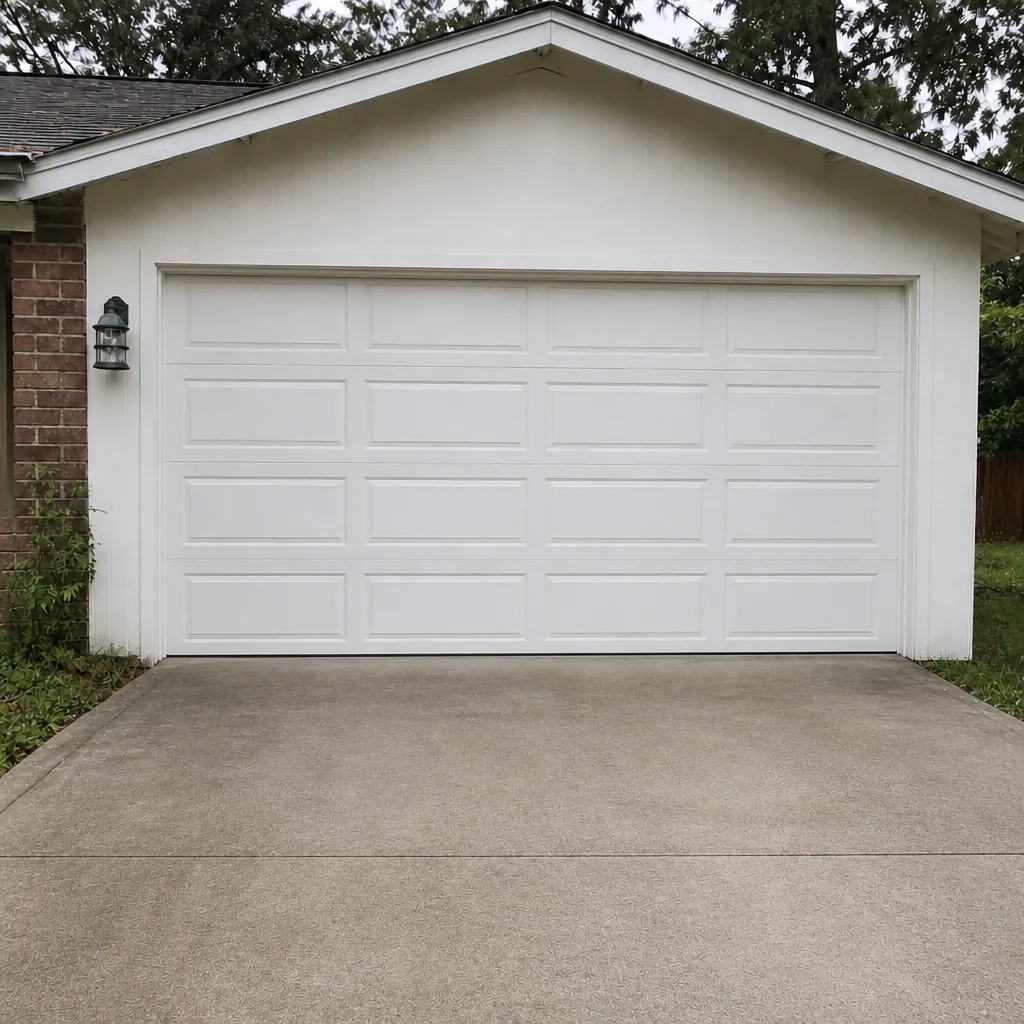
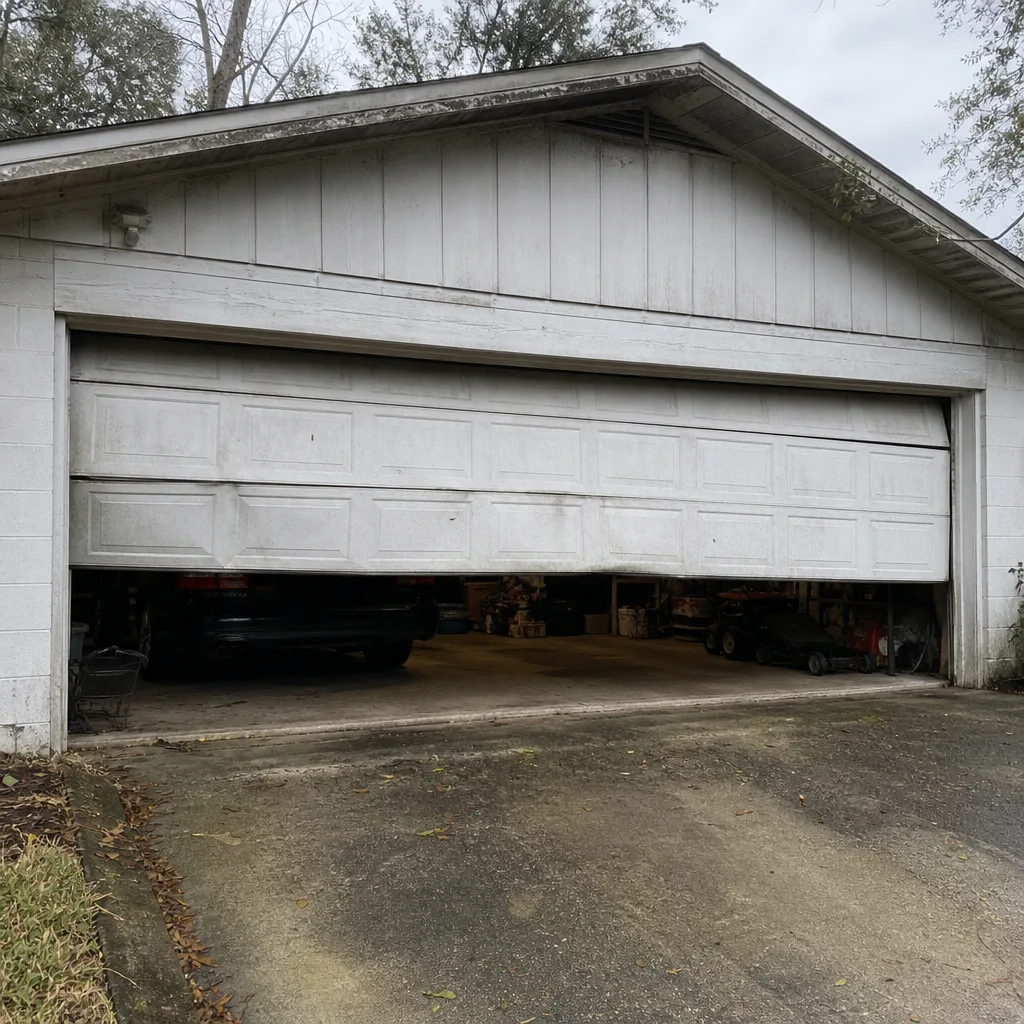
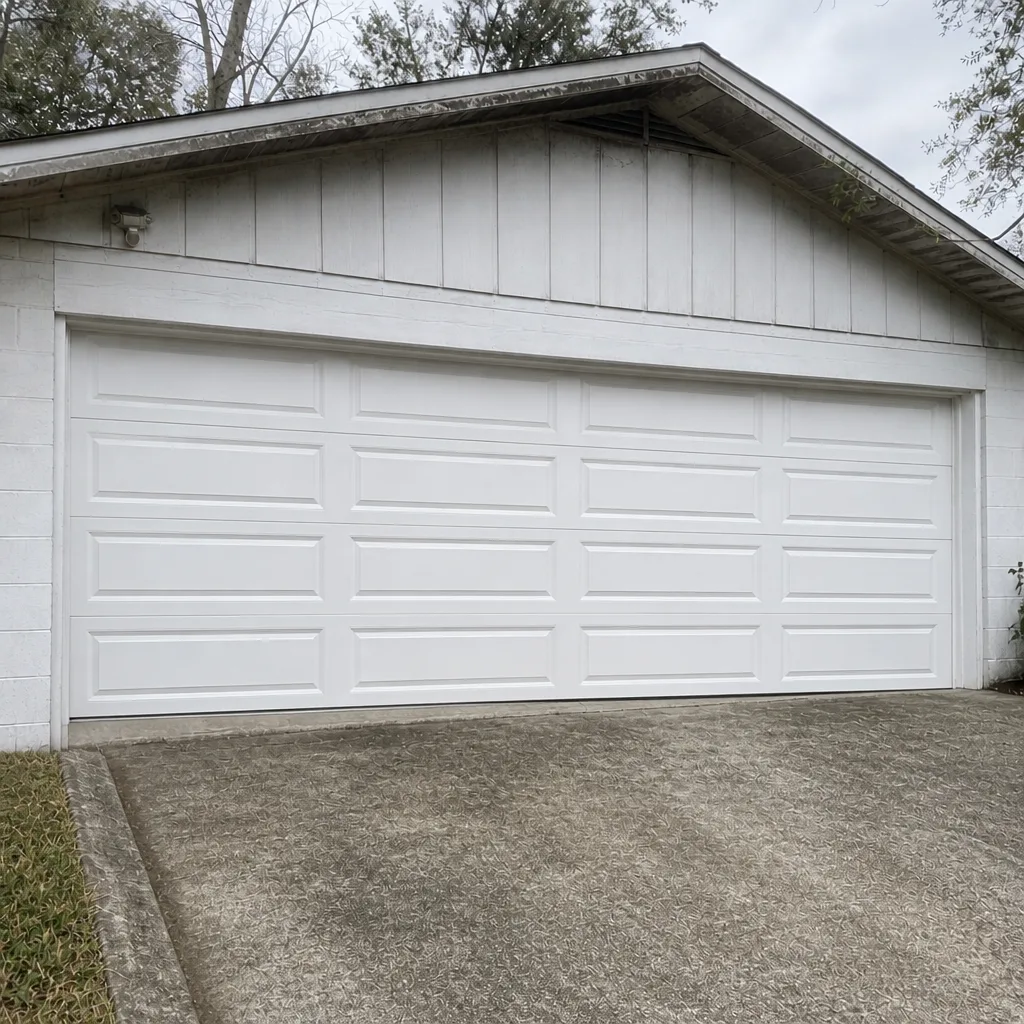
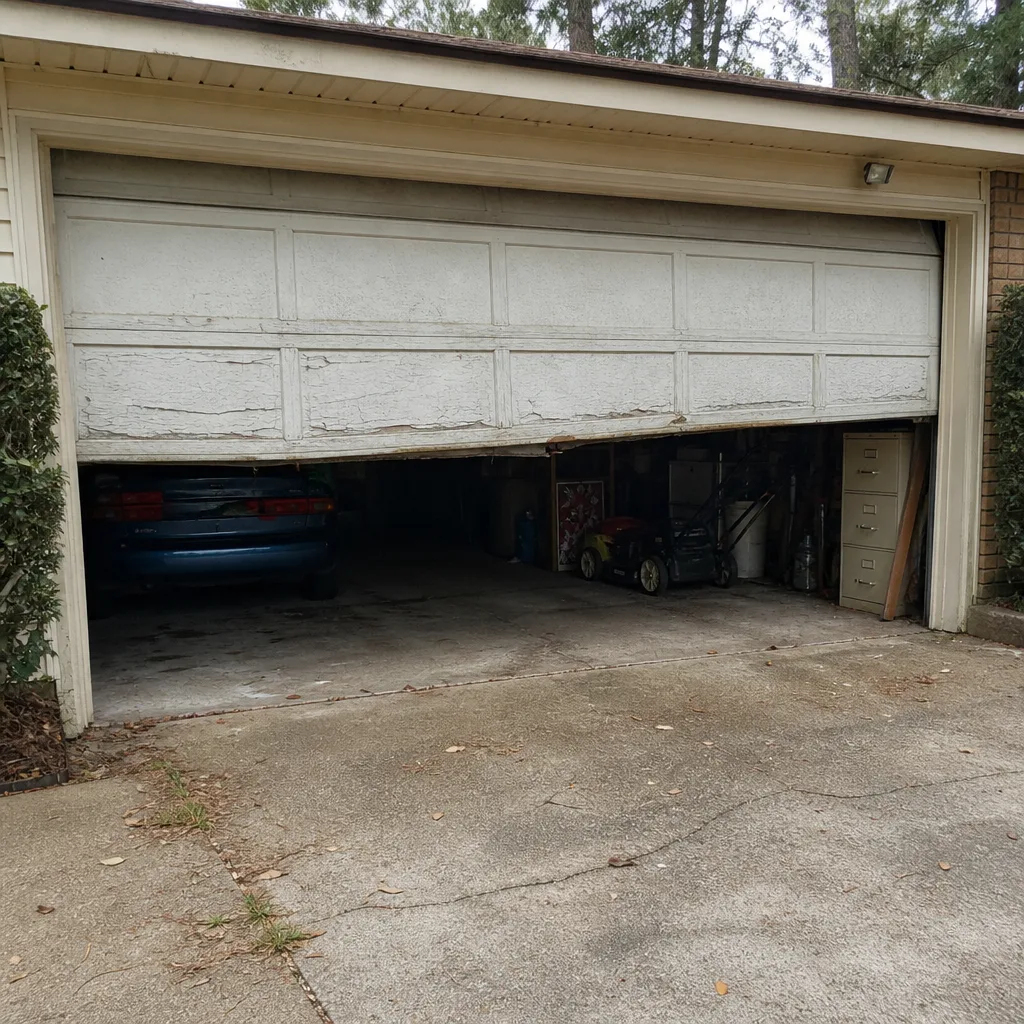
See the difference
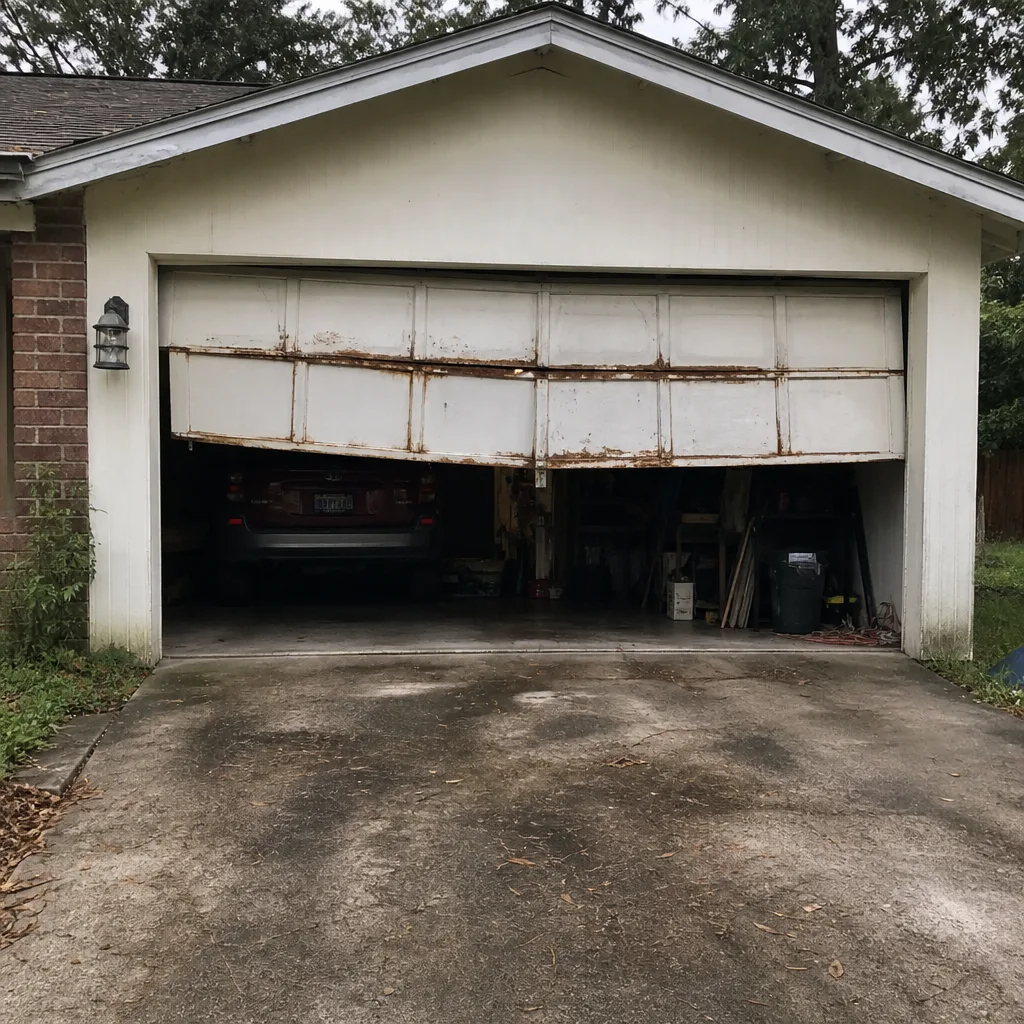 Before
 After
 Before
 After
 Before
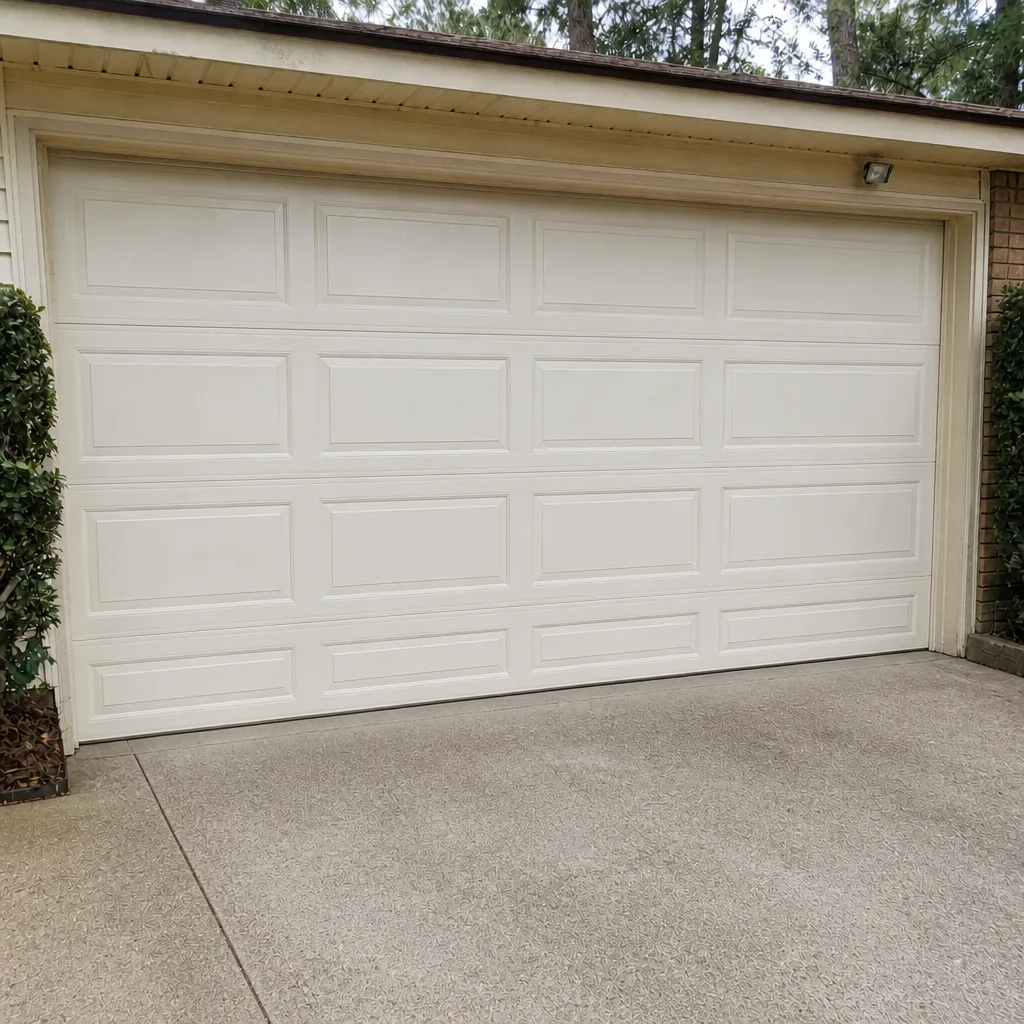 After