Last updated November 21, 2026
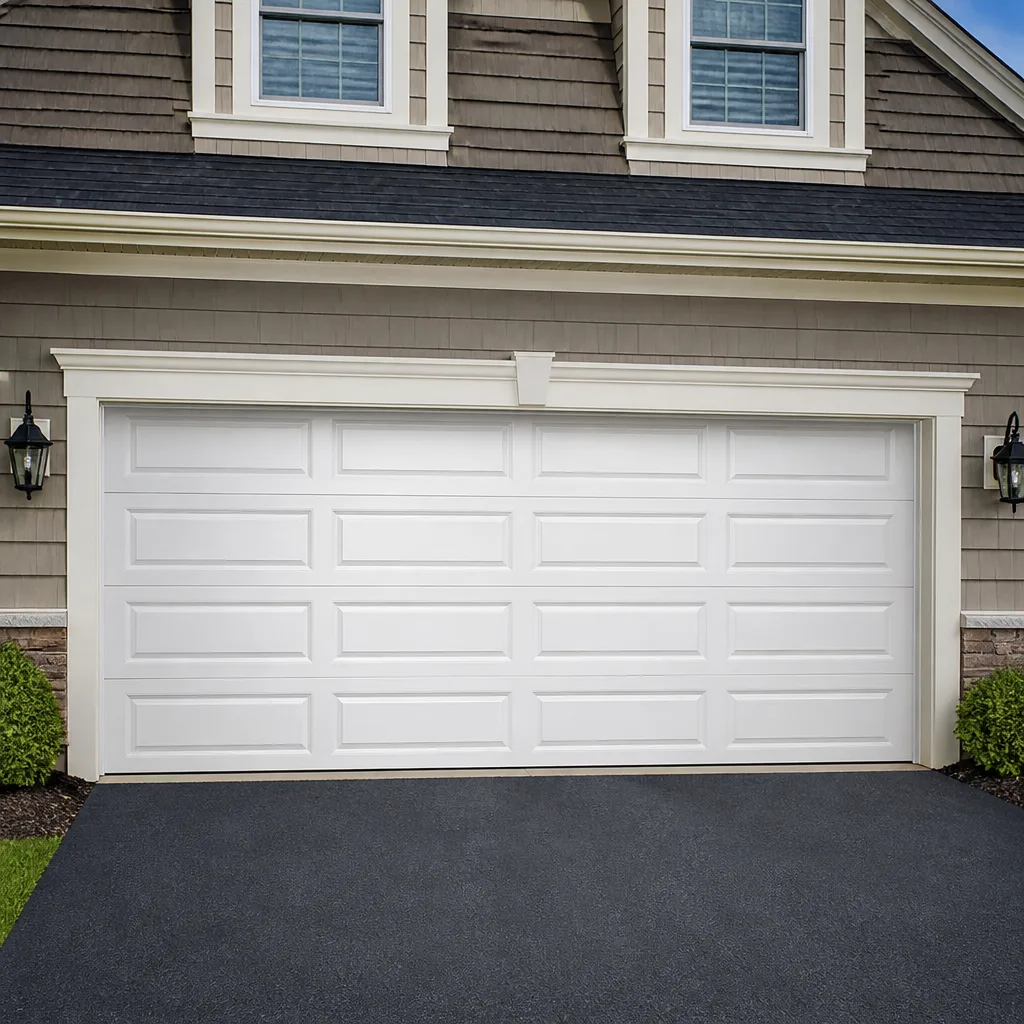 Raised-panel steel
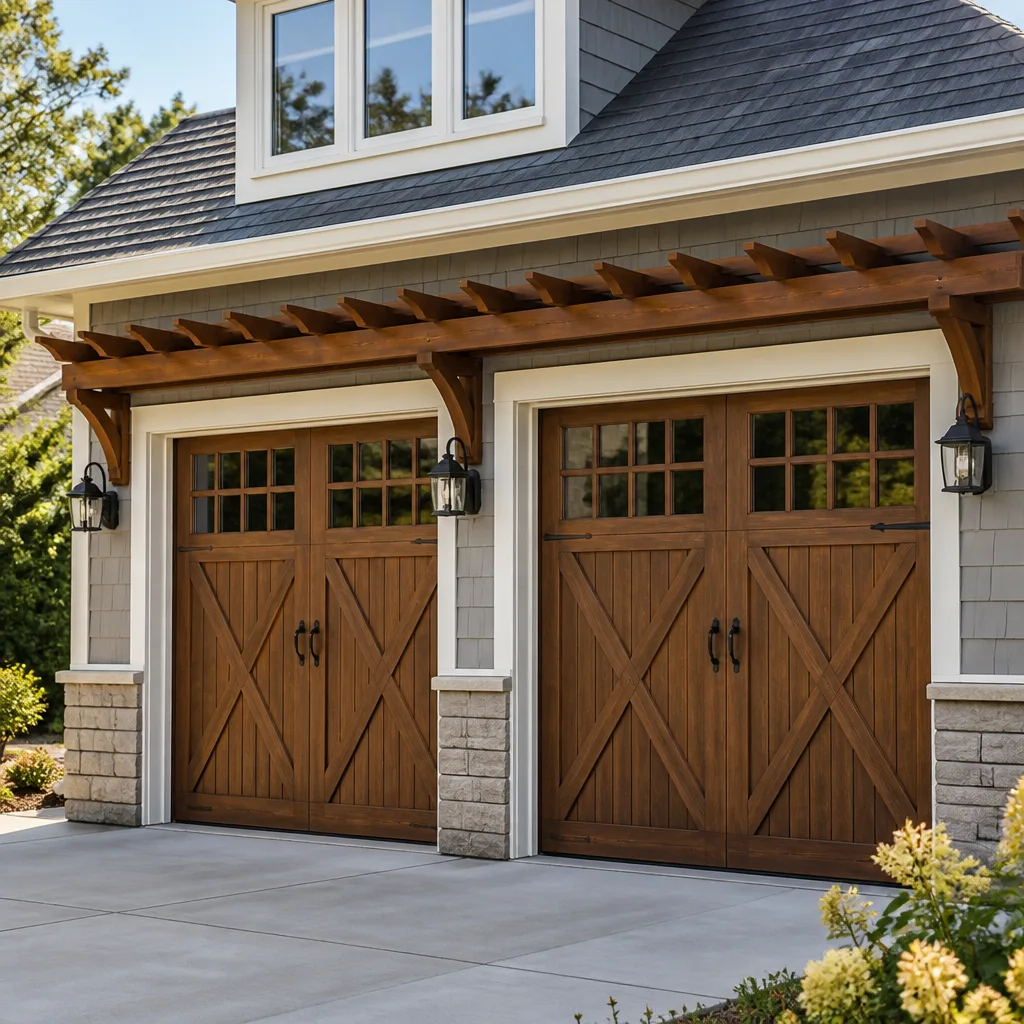 Carriage house
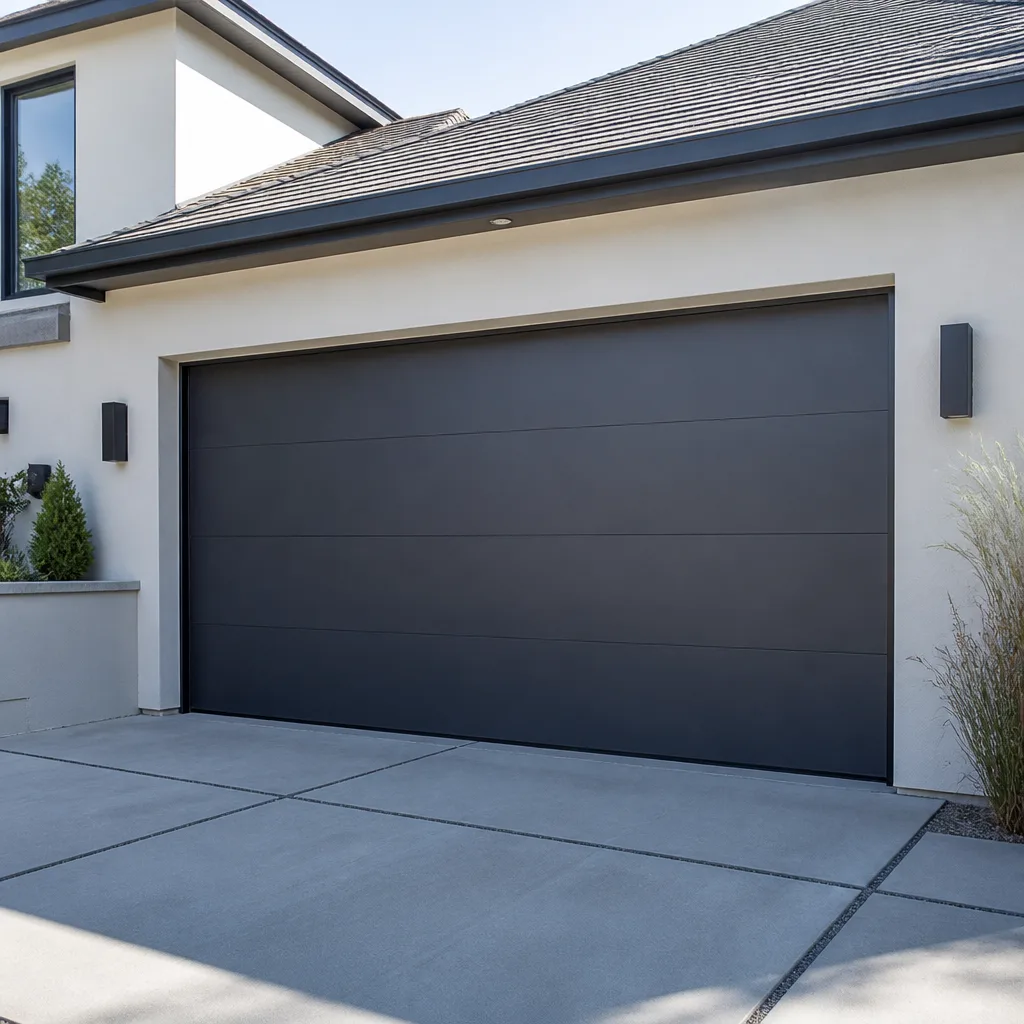 Modern flush
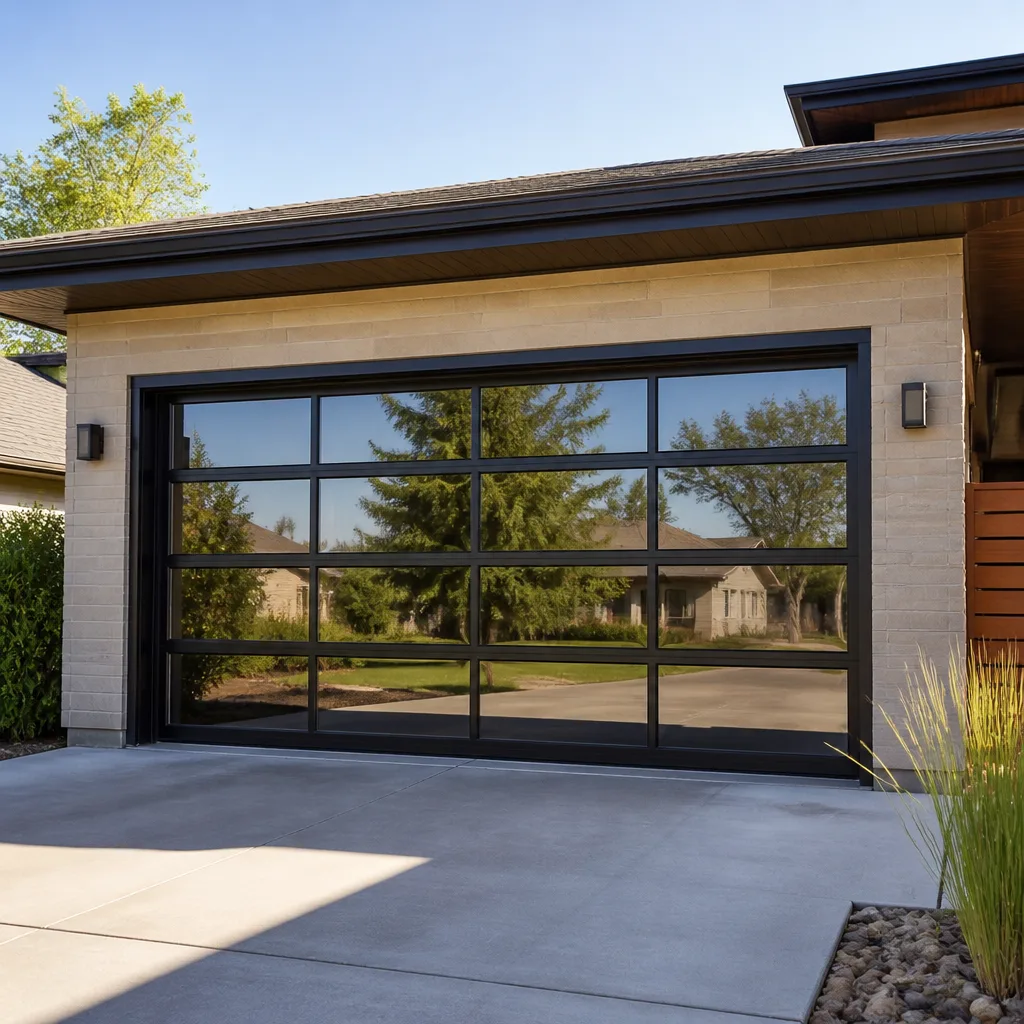 Full-view glass
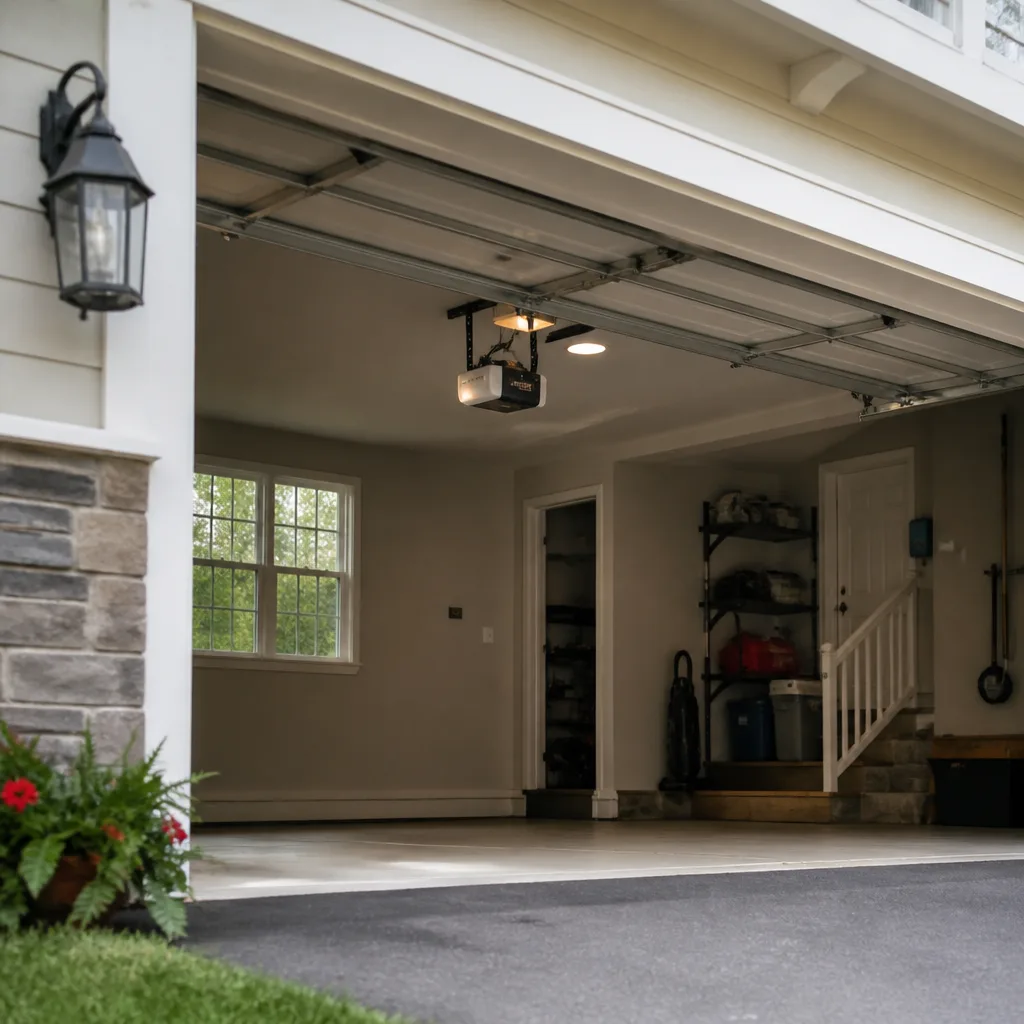 LiftMaster openers
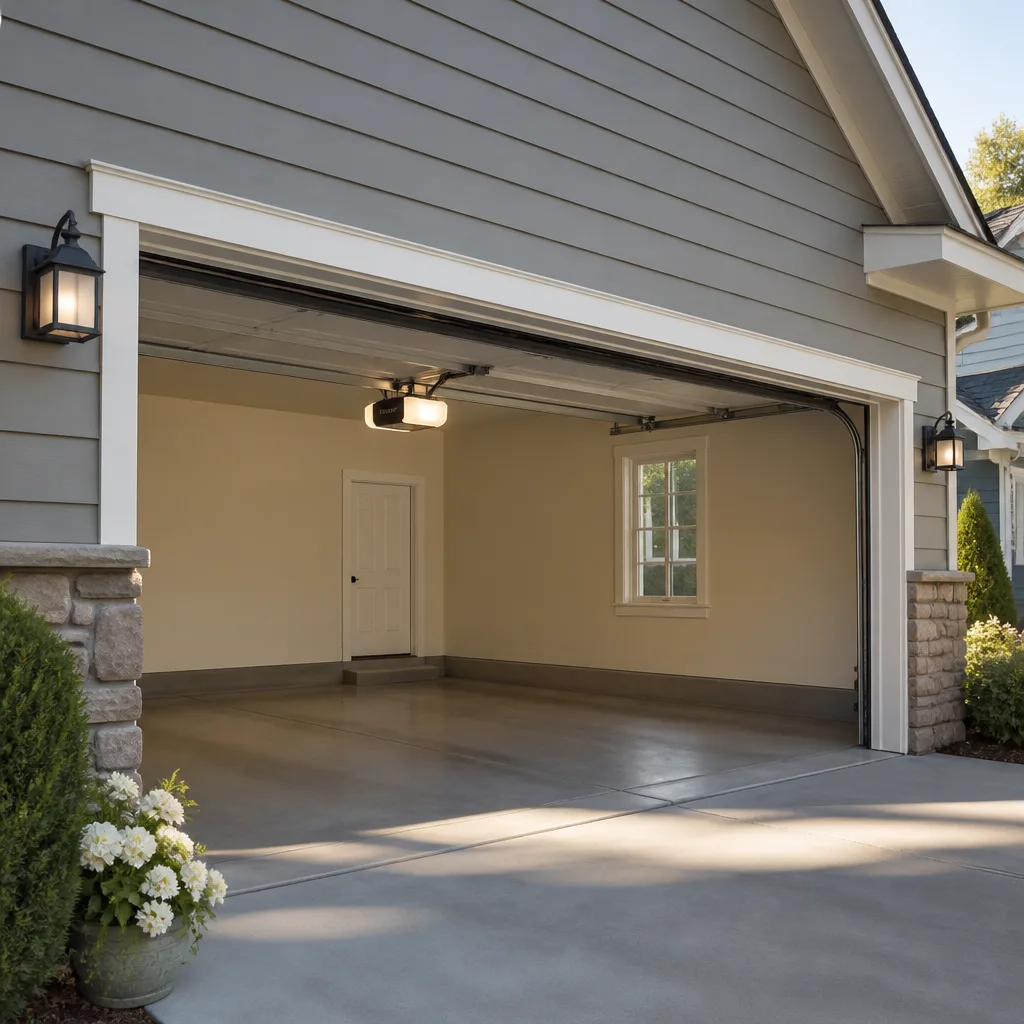 Chamberlain openers
Full 25-point door and opener safety check with every visit - springs, cables, rollers, tracks, and your LiftMaster or Chamberlain opener included
You get a price before we start. It does not change when the pro arrives.
Get your free estimateChoosing the Right Garage Door Brand: A Buyer’s Guide for Tallahassee
Most homeowners assume the garage door brand with the biggest ad budget is the one to buy. It isn’t that simple. In Tallahassee, the brand that shows up first in your web search and the brand whose parts actually sit on a shelf when a torsion spring lets go at 7 PM on a Friday are often not the same company. That gap is invisible until something breaks, and then it decides whether you’re back in your garage tomorrow or waiting a week for a courier.
This guide walks through what actually matters for a Tallahassee homeowner: Florida Product Approval, real parts availability, warranty fine print that survives Florida humidity, steel and finish quality behind the same logo, and opener compatibility with what’s already on your ceiling. No brand worship. Just the questions that separate a door you’ll be happy with from one you’ll regret.
Quick Answer
There’s no single “best” garage door brand in Tallahassee. The right choice is the brand whose specific product line carries Florida Product Approval for this wind zone, whose parts your local repair shop can get quickly, and whose warranty doesn’t exclude corrosion in a high-humidity climate. Clopay and Amarr are common picks for those reasons, but the model line matters more than the name on the box, and the installer matters more than both.
Styles & brands we work with
- Raised-panel steel
- Carriage house
- Modern flush
- Full-view glass
- LiftMaster openers
- Chamberlain openers
Table of Contents
- Why Brand Loyalty in Garage Doors Is Mostly Marketing
- Florida Product Approval: What It Is and How to Check It
- Parts Availability: The Repair Turnaround Reality Check
- Warranty Fine Print: The Humidity and Corrosion Exclusions
- Steel Gauge, Primer, and Finish: Builder-Grade vs. Mid-Grade
- Opener Compatibility: What’s Already on Your Ceiling
- Matching the Brand to Your Home and Your Needs
- Questions to Ask Any Installer
Why Brand Loyalty in Garage Doors Is Mostly Marketing
Garage door brands spend heavily on advertising and dealer incentive programs. That means the brand you see most often on billboards, in national home-improvement stores, and in TV spots has usually spent the most money to get in front of you. It doesn’t mean their door is engineered better than a competitor’s door in the same price class.
The parts reality is different. Tallahassee repair technicians deal with a handful of brands every week because that’s what’s installed in homes here, and that’s what local parts suppliers keep in inventory. LiftMaster and Chamberlain openers are extremely common on Tallahassee ceilings. Genie units show up in older neighborhoods like Betton Hills and Myers Park. Clopay, Amarr, Wayne Dalton, and Raynor doors appear across the region, from new builds in Southwood to established homes near Killearn.
What actually matters for you as a buyer in Tallahassee comes down to three things:
- Does the specific model you’re buying carry Florida Product Approval for this wind zone?
- Can a Tallahassee technician get replacement parts in days, not weeks?
- Does the warranty cover the failure mode most likely in Tallahassee’s heat and humidity, or does it quietly exclude it?
Those three questions don’t map neatly to brand names. They map to product lines, distributors, and how the warranty is written. That’s the lens we recommend you look through for the rest of this guide.
One more point. The brand of your door and the brand of your opener are separate decisions. You can have a Clopay door and a LiftMaster opener, and that’s a perfectly normal combination. We work on all the major brands involved, and if you need a repair after you’ve bought, our garage door repair service covers brand-specific issues that generic repair guides miss.
Florida Product Approval: What It Is and How to Check It
Florida Product Approval is the state program that certifies building products, including garage doors, as meeting specific standards for wind resistance and structural performance. If a door is going on a home in Tallahassee, the product needs the appropriate approval for the wind zone. Not every garage door on the market carries it. That’s a critical point: a door sold nationally may have excellent insulation and great looks, but if it doesn’t have approved product documentation for Florida, it can be a problem at permit time or at resale.
How to check a door’s approval status before you buy:
- Ask the seller for the manufacturing company’s Florida Product Approval number (often referred to as an FL#). If they can’t produce it, that’s your answer.
- Look up the number in the state’s product approval system, which is searchable online by product, manufacturer, or approval number.
- Confirm the approved product listing matches the specific door model, size, and wind-pressure rating you’re buying, not a sibling product in the same line.
- Cross-check the installed configuration. A door approved with a specific wind-load reinforcement system is only approved with that system installed as designed.
- Ask your installing contractor whether the installation will match the approved configuration, since the approval covers both the product and how it’s anchored.
Not every garage door in your Tallahassee home absolutely requires product approval, since requirements vary by structure, location, and code cycle. But when the answer matters, you want a door whose manufacturer can produce the number without hesitation. Ask your city’s building department whether your specific project requires it, and treat a vague answer from a seller as a red flag. If you’re comparing door lines and want to talk through the approval question in plain terms, our garage door installation team can help you sort it out.
This is also where a little-known brand can trip you up. Some low-cost imports carry no approval documentation at all. They may be fine for a shed or barn, but for a home in Tallahassee, we’d steer you toward a brand that can produce the paperwork.
Parts Availability: The Repair Turnaround Reality Check
Here’s the scenario we hear most often. A homeowner has a door that’s ten or fifteen years old. A torsion spring snaps on a Friday evening. They call their original installer, who tells them a replacement part has to ship from out of state and will be in Wednesday.
Parts supply is where the gap between the “most-advertised” brand and the “most-serviceable” brand becomes visible. In Tallahassee, local repair suppliers keep the most-common components for the most-common brands on hand. That usually means common torsion and extension springs, standard rollers, hinges, and the popular opener gear and logic board parts. It often does not mean obscure models from brands with thin dealer networks.
How to think about it
- Common brands mean faster repairs. A door from one of the widely distributed brands (Clopay, Amarr, Wayne Dalton, Raynor) tends to have parts a local supplier can source quickly.
- Popular openers mean faster diagnostics. LiftMaster, Chamberlain, and Genie openers are on an enormous share of Tallahassee ceilings, so technicians already have the parts and know the failure points.
- Obscure brands can mean a slow fix. A door with no local distributor can add three to five business days to a repair job, even when the repair itself is simple.
- Installation matters too. Track, torsion hardware, and spring specifications are sometimes brand-specific. If a repair contractor has to fabricate a substitute, downtime goes up.
When you’re choosing a door, ask the seller who the local parts distributor is and how long a typical special-order part takes. A good answer is specific. A vague “we can get anything” is not.
Spring work in particular is one of the highest-risk repairs in this trade. A coiled torsion spring stores serious energy, and doing this work without the right training and tools can injure you badly. We treat spring work as its own specialty, with technicians trained to handle it safely, and we’d recommend you do the same when you’re hiring. That’s a separate service from brand selection, but it’s one more reason to pick a door brand whose parts are locally sourceable.
Warranty Fine Print: The Humidity and Corrosion Exclusions
Warranty documents for residential garage doors tend to look generous on the sales sheet and more limited in the fine print. In Florida, the exclusions that matter most are the ones tied to moisture, humidity, and corrosion, because those are the failure modes that actually show up on doors here.
What to actually read before you buy:
- Corrosion exclusions. Many door warranties cover structural failure but carve out rust, corrosion, and finish damage from humidity. That’s exactly what you could see on an unsealed steel door in this climate.
- Finish coverage length. Finish warranties on builder-grade doors are short. Mid-grade and premium lines from the same brand often carry much longer finish coverage. Same logo, different term.
- Prorating. Some warranties reduce coverage proportionally over time. A “lifetime” term that prorates to nearly nothing after the first few years isn’t the coverage homeowners think it is.
- One-time replacement vs. ongoing. Read whether the warranty pays for a single replacement or continues to cover replacements over the door’s life.
- Transferability. If you sell the home, some warranties transfer, some don’t. It matters in a market like Tallahassee where resale is common.
- Labor vs. materials. A warranty that covers the part but not the removal and reinstallation cost still leaves you paying most of the bill.
- Installation conditions. Many warranties require that installation be done per manufacturer spec by a qualified installer. A poor installation can void the warranty even on a good door.
The practical advice: compare the actual warranty documents across Clopay, Amarr, Wayne Dalton, and Raynor doors in your price range, line by line. Look for the words “corrosion,” “finish,” and “humidity” and read every sentence around them. If a door has the best-looking sales sheet but excludes corrosion damage, it’s the wrong door for Tallahassee’s climate, whatever the brand.
Steel Gauge, Primer, and Finish: Builder-Grade vs. Mid-Grade
The same brand will sell you a door that can last a couple of decades and a door that can start showing rust within a few seasons. The logo on the front isn’t the difference. Steel gauge, primer, and finish are.
Steel gauge
Gauge refers to the thickness of the steel skin. Lower gauge means thicker steel. A 24-gauge door is meaningfully thinner than a 25-gauge door? That’s backward. Lower is thicker, and the difference between a 24-gauge and a 27-gauge door, sitting in a Tallahassee driveway, shows up as dent resistance and rigidity. Builder-grade doors often start around 27 gauge. Mid-grade and premium doors start around 25 gauge or heavier, with reinforced struts and better hardware.
Primer and finish
Most steel doors get a primer coat, then a finish coat applied at the factory. Builder-grade doors often use a thinner primer and a faster finish process. Mid-grade and premium doors use heavier primer, better seam seals, and in many cases factory-applied finishes with meaningful warranties. In a climate this humid, the finish and seam treatment are where long-term appearance gets decided. An unsealed edge or a thin primer coat can let moisture in, and the result is the orange-brown streaking that ruins the look of an otherwise fine door.
Insulation and structural extras
- Insulated doors help with heat and noise. Uninsulated steel doors are essentially a thin thermal bridge into the garage.
- Structural struts and reinforcement matter for wind resistance and for door rigidity, especially on wider openings.
- Hardware quality (hinges, rollers, track gauge) varies noticeably by line, and it’s the first thing that fails.
Here’s the buying rule we recommend: decide the door line within the brand before you decide the brand. A mid-grade Clopay is a different animal from a builder-grade Clopay. Ask the seller for the model name and gauge, then compare that specific door to another brand’s mid-grade line. That’s an apples-to-apples comparison. Comparing brand logos alone tells you almost nothing.
Opener Compatibility: What’s Already on Your Ceiling
Here’s the question most buyers forget to ask: what opener is already installed, and will the new door work with it? If you’re replacing a door without replacing the opener, the answer is usually yes, since most openers can lift most doors within their weight and balance range. But if you want smart-home features or the door is heavier than the existing opener is designed for, you’ll want to think this through.
In Tallahassee homes, LiftMaster and Chamberlain are extremely common, along with Genie units in older installations. The LiftMaster and Chamberlain myQ ecosystem is the widely used smart feature pairing, allowing you to open and monitor the door from a phone. If that matters to you, ask about myQ compatibility when you’re picking a door-opener combination.
Getting the pairing right
- Write down the brand, model, and horsepower of your existing opener.
- Check the weight and balance of the door you’re buying against the opener’s rated capacity.
- If you want smart features, confirm the door’s installer can pair the opener with the manufacturer’s app cleanly.
- If the opener is aging out, consider replacing it at the same time so you’re not back in six months for a second service.
- If you’re keeping the opener, ask the installer to check spring balance so the door runs light on the motor.
We work on openers from LiftMaster, Chamberlain, and Genie, covering both myQ-connected systems and traditional ones. When an opener acts up, that’s usually a signal-to-noise diagnosis rather than a door problem, and our garage door opener repair service handles that side of the equation. If you’re also comparing door brands and want to look at the full picture, start with our Tallahassee garage door repair experts resource, which explains how the pieces fit together.
Matching the Brand to Your Home and Your Needs
Brand choice in Tallahassee isn’t about picking the “winning” name. It’s about matching the door to your home, your budget, and the repair ecosystem in the region.
Match the line, not the logo
A mid-grade door from Clopay or Amarr will typically outperform a builder-grade door from a “better” brand. Look at gauge, insulation, and finish first, brand second.
Match the door to your home’s style
Traditional raised-panel steel is the common default for homes in Tallahassee neighborhoods like Killearn, Southwood, and Betton Hills. Carriage-style doors fit some home styles; full-view aluminum doors fit modern builds. Wayne Dalton and Raynor both have distinctive profile lines worth looking at alongside the more familiar Clopay and Amarr options.
Match the door to the repair network
A door brand with a strong Tallahassee parts supply line is easier to keep running over the long term. That’s the boring-but-real consideration that pays off when something breaks.
Match the brand to the opener ecosystem you already have
If your ceiling already has LiftMaster or Chamberlain hardware, staying within compatible openers saves money. If it’s a Genie system, ask specifically about part availability for that line before you commit to keeping it.
Match the brand to your insurance
If a storm or impact damages your door, having a mainstream, documented brand with Florida Product Approval on file makes the claim smoother. Talk to your insurer about what they’d want to see.
Questions to Ask Any Installer
The right installer makes any good brand work. The wrong installer can ruin the best door on the market. Ask these questions before you sign:
- “What’s the Florida Product Approval number for this specific door?” A good installer gives you the number without hesitation.
- “Who supplies your springs and rollers locally, and how long does a special-order part take?” A specific answer means they know their parts chain.
- “Is the installation covered by a written warranty, and for how long?” Installation warranty is separate from the manufacturer’s product warranty.
- “Will you show me the model and gauge in writing before I pay a deposit?” Paper trail protects you.
- “How do you handle spring repairs, and are your technicians trained for it?” Spring work is high-risk work; treat it as such.
- “What brand will we actually be getting, and do you work on it after the sale?” A specialist who services what they install is worth more than a dealer who disappears.
If those answers are confident and documented, you’re in good shape. Our technicians have up to 9 years of experience, and we work on LiftMaster, Chamberlain, Genie, Clopay, Amarr, Wayne Dalton, Craftsman, and Raynor, so the brand conversation usually lands quickly.
Common Mistakes to Avoid
- Buying the brand, not the line. A builder-grade door from a premium brand is still a builder-grade door. Look at gauge and finish before the logo.
- Skipping the Florida Product Approval check. If you’re in Tallahassee and the door doesn’t carry approval documentation, verify whether your project requires it before you commit.
- Ignoring parts availability. A rare door with no local distributor can mean a multi-day wait every time something breaks.
- Not reading the humidity and corrosion exclusions. If your warranty excludes corrosion damage, it may not help you when Tallahassee’s climate starts wearing your door’s finish.
- Assuming the existing opener will handle a heavier door. Check the door’s weight against the opener’s rating. Replacing the opener now is usually cheaper than replacing it after the motor strains.
- Chasing the lowest bid without a written specification. A vague quote on the cheapest door is rarely the door you thought you were buying.
- DIY spring work. Torsion and extension springs hold dangerous force. Never attempt this repair without training, proper tools, and safe working conditions.
See the difference
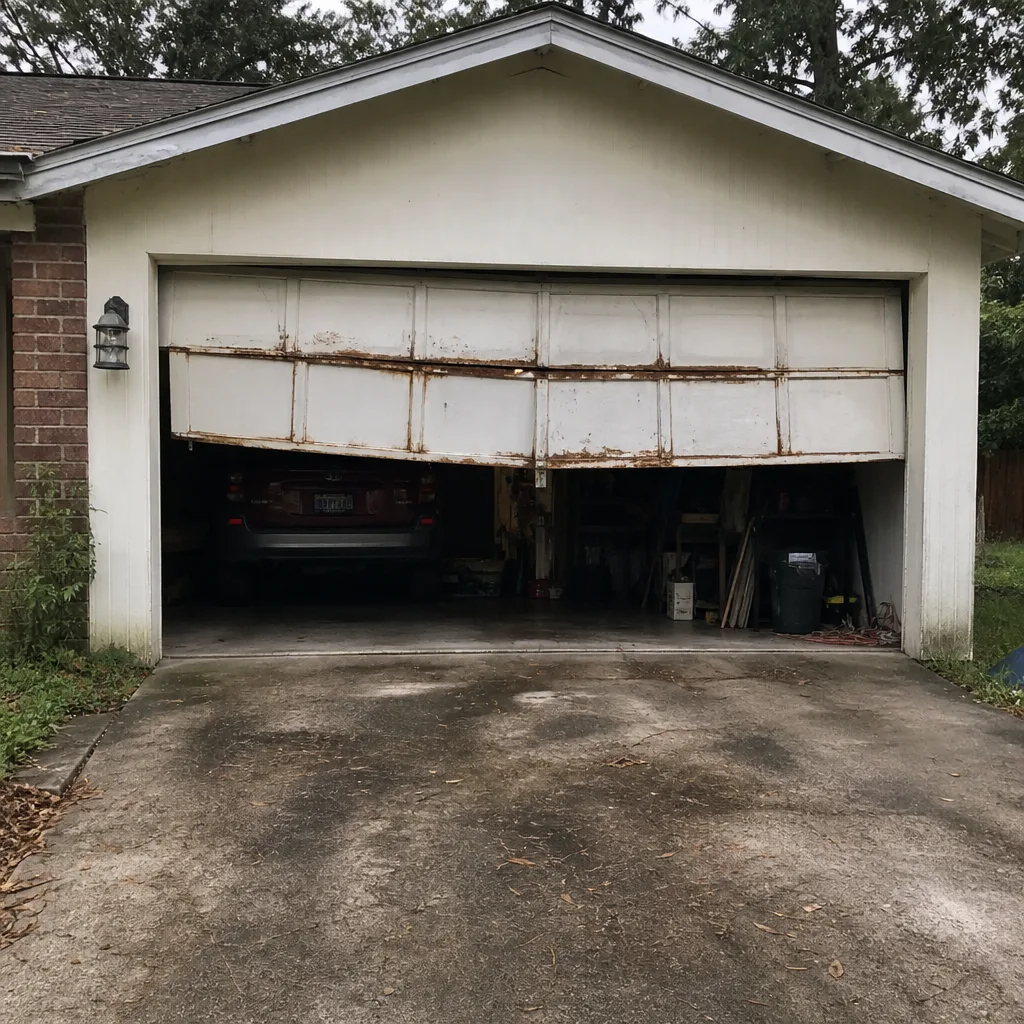 Before
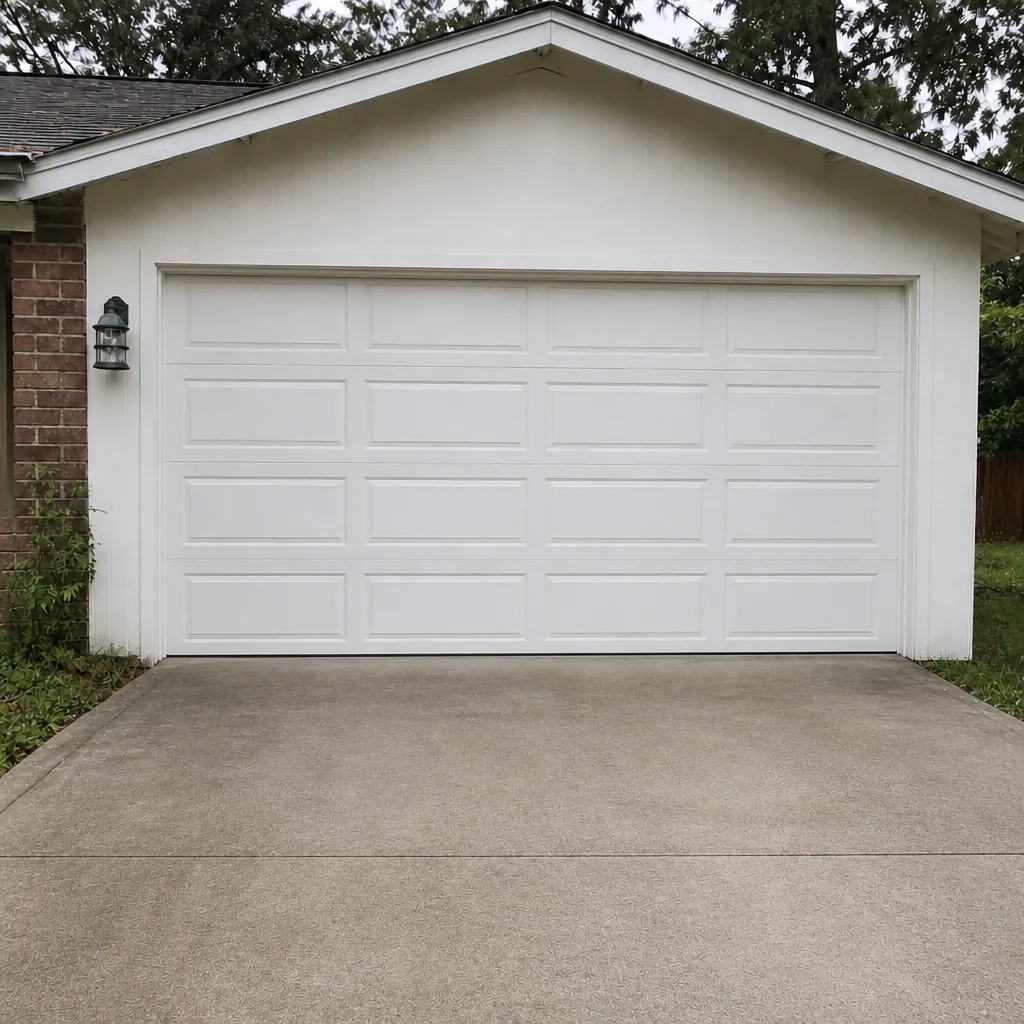 After
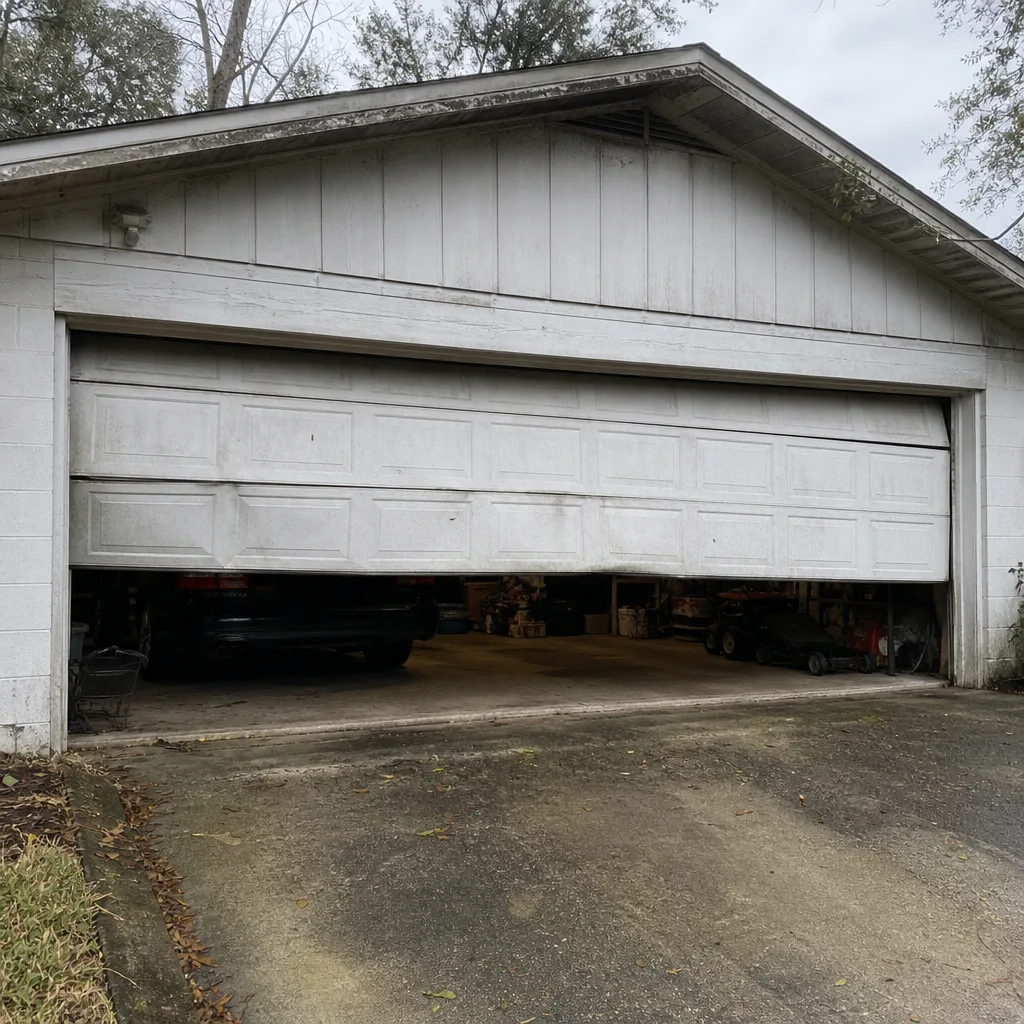 Before
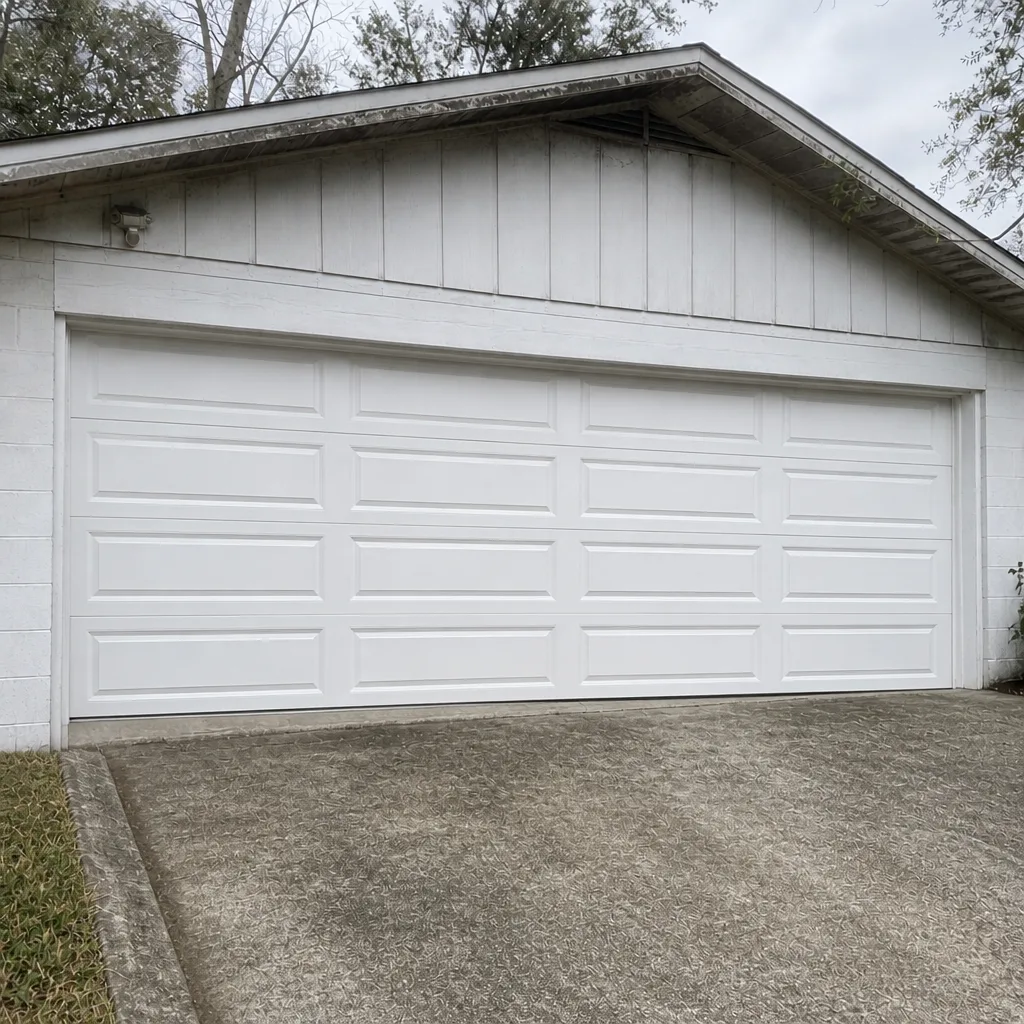 After
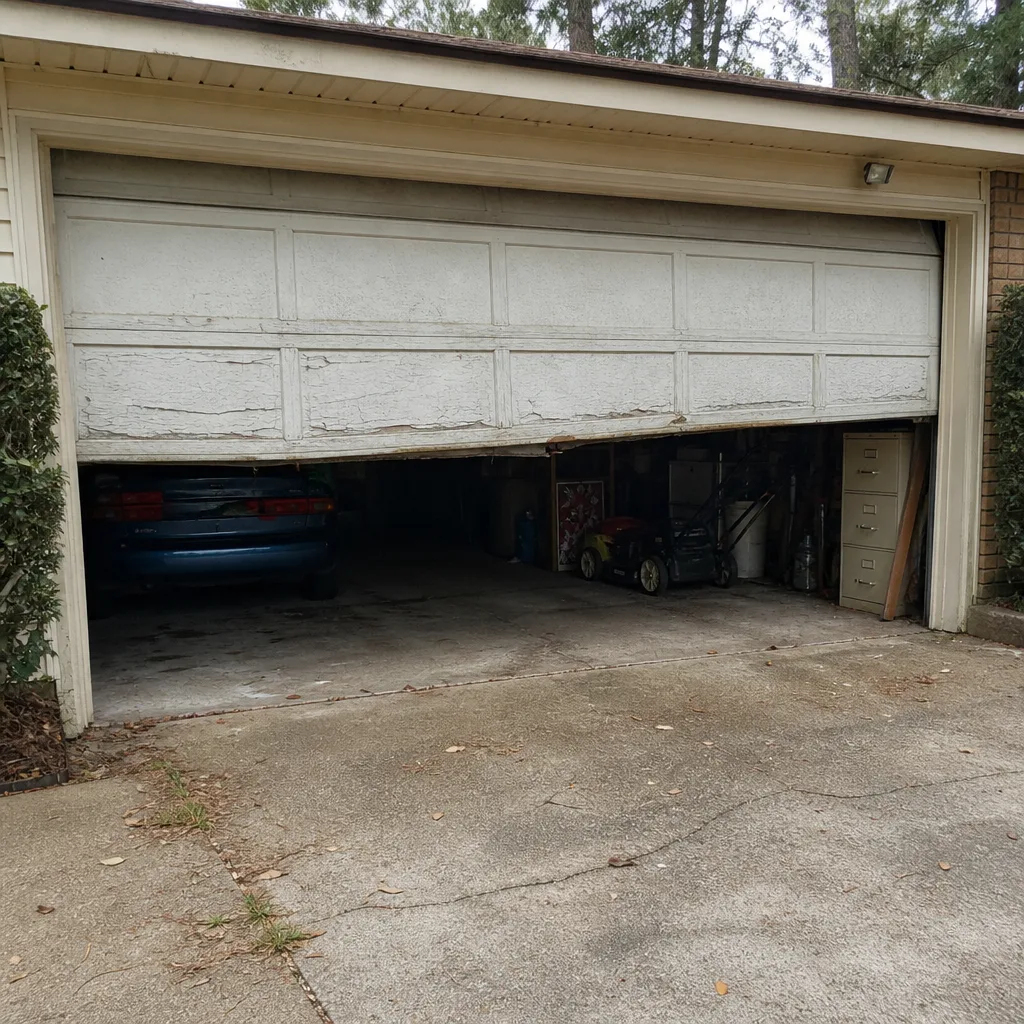 Before
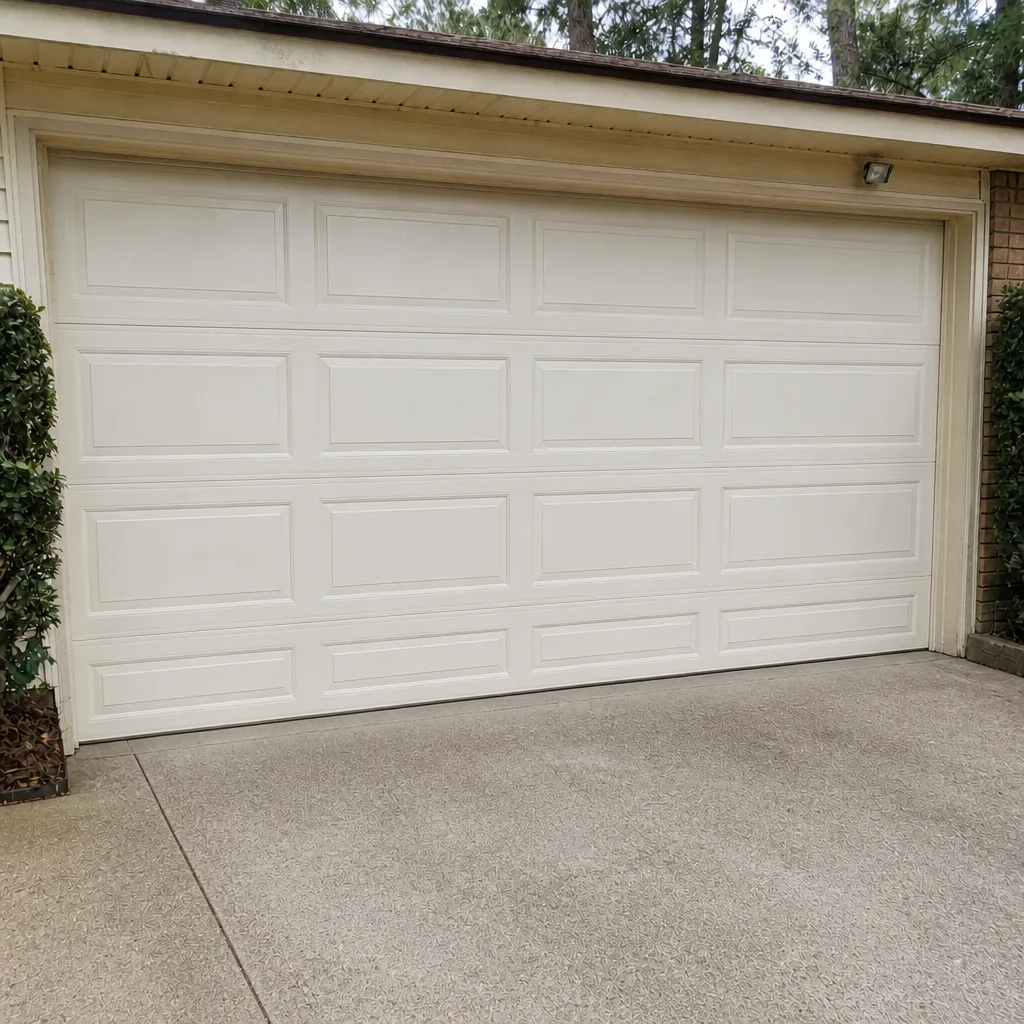 After
When to Call a Professional
Call a professional when a spring breaks, the door is off-track or visibly bent, the opener won’t run or reverse properly, the door has become heavy to lift, or the door is hard to close cleanly. Also call when a door’s safety reverse stops working, when the door is binding and the track looks damaged, and any time a repair requires getting under tension. Spring work is the most dangerous repair in this trade, and it’s the one we most often see homeowners attempt and regret.
Tallahassee Garage Door Repair Experts offers free estimates in Tallahassee. Call (844) 443-3895 and we’ll send an experienced technician to look at your door and opener. If a fix can be done safely and quickly, we do it. If a repair isn’t worth doing on an older door, we’ll say so plainly.
Frequently Asked Questions
There is no single best brand; the right answer depends on the specific product line and how well it fits Florida’s climate and wind zone. Clopay and Amarr are common choices because of model availability and product approval coverage, but gauge, finish, and warranty terms matter more than the name on the door. Call (844) 443-3895 for a free estimate or a plain-English comparison of lines.
Some garage door installations require Florida Product Approval and some don’t, depending on your home, its structure, and the code cycle your city is on. The right way to check is to ask your city’s building department and ask the seller for the product approval number for the exact door you’re buying. Call (844) 443-3895 if you want help reading the paperwork.
Widely distributed brands like Clopay, Amarr, Wayne Dalton, Raynor, and common opener brands like LiftMaster, Chamberlain, and Genie tend to have parts a local supplier can source quickly. Obscure or low-volume brands can add three to five business days to a repair because the part has to ship. If speed matters, confirm parts availability before you buy.
Some do and some don’t, and the exclusion language is not always prominent. Read the sections on corrosion, finish, and humidity carefully and look for prorated coverage and transferability terms. If a warranty excludes corrosion damage entirely, it’s weak protection in this climate. Call (844) 443-3895 if you want a technician to walk you through the warranty on a specific door.
Usually yes, if the door’s weight and balance fall within the opener’s rated capacity. If you’re going to a heavier door or one with different balance characteristics, ask about replacing the opener at the same time. We work on LiftMaster, Chamberlain, and Genie systems, both myQ-connected and traditional, so we can diagnose opener issues alongside the door.
The written estimate sets the price, and we agree the scope and cost before any work starts. If the technician finds something the estimate couldn’t have seen, they’ll explain it and get your agreement before proceeding, not after the invoice is printed. Call (844) 443-3895 for a free estimate.
The Bottom Line
The best garage door brand for your Tallahassee home is the brand whose specific product line carries Florida Product Approval, whose parts local technicians can get quickly, and whose warranty doesn’t quietly exclude the humidity and corrosion damage this climate produces. Brand names like Clopay, Amarr, Wayne Dalton, Raynor, LiftMaster, Chamberlain, and Genie are all worth considering, but the line and the installer matter more than the logo on the front. Builder-grade and mid-grade doors from the same brand are different products. Check the paperwork, verify the model, and read the warranty.
When you’re ready to talk through doors, openers, springs, or a repair, call Tallahassee Garage Door Repair Experts at (844) 443-3895 for a free estimate. Same-day and emergency service is available for urgent failures, and we work on your brand, whatever it is.
Written by the team at Tallahassee Garage Door Repair Experts.