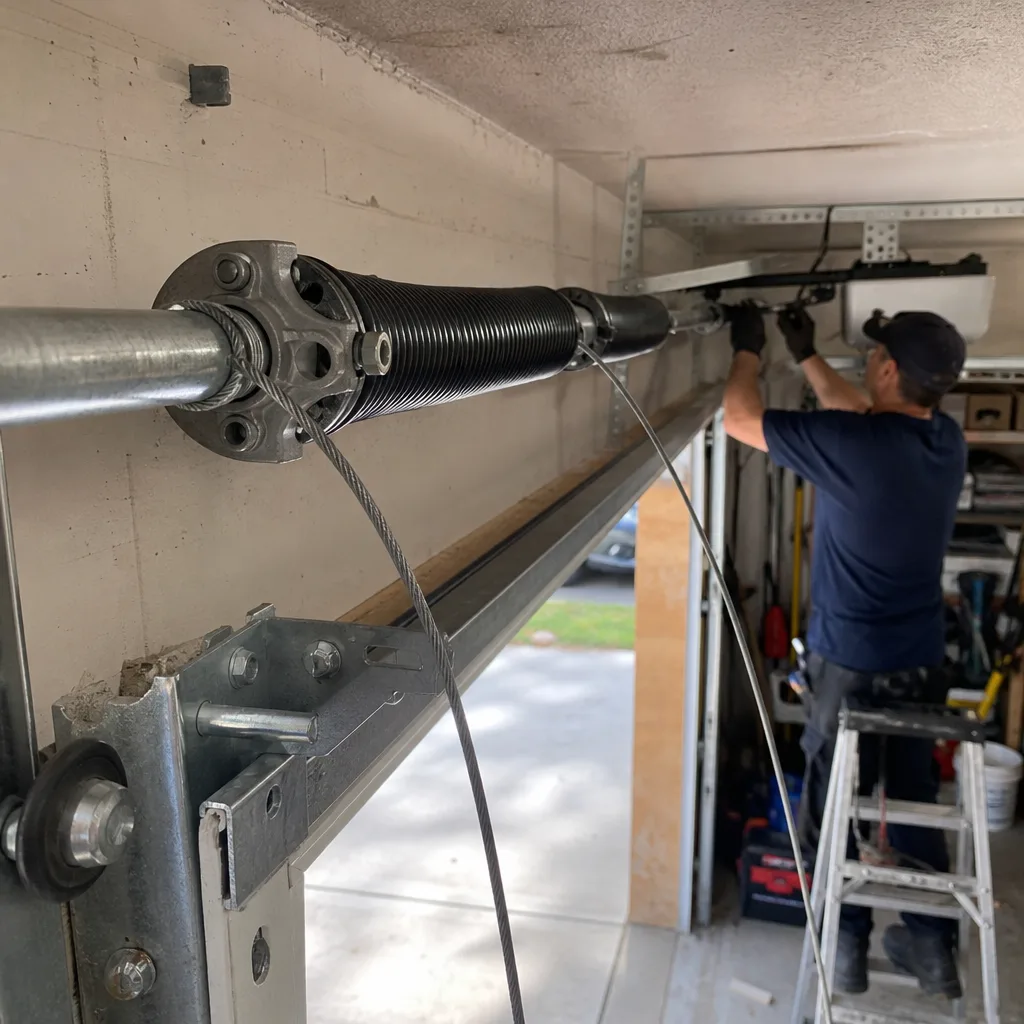
Last updated November 21, 2026
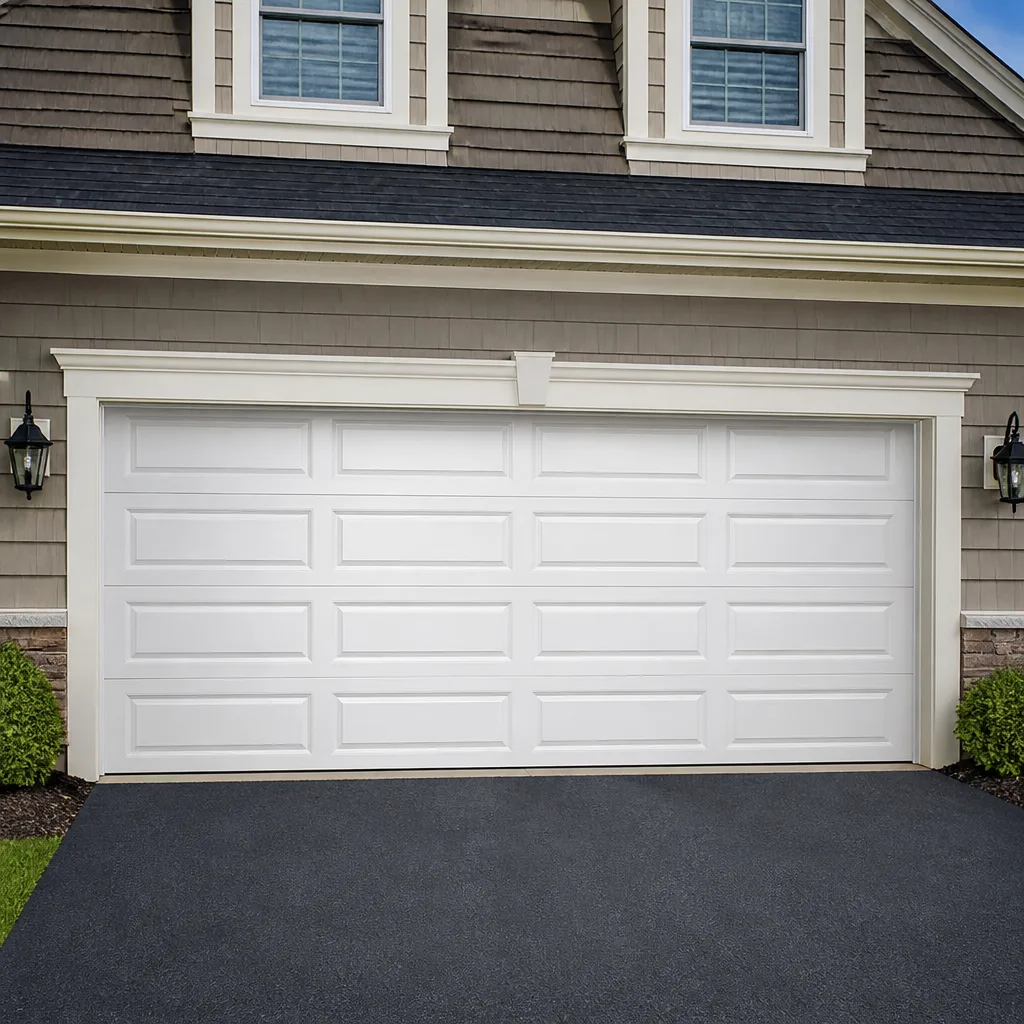 Raised-panel steel
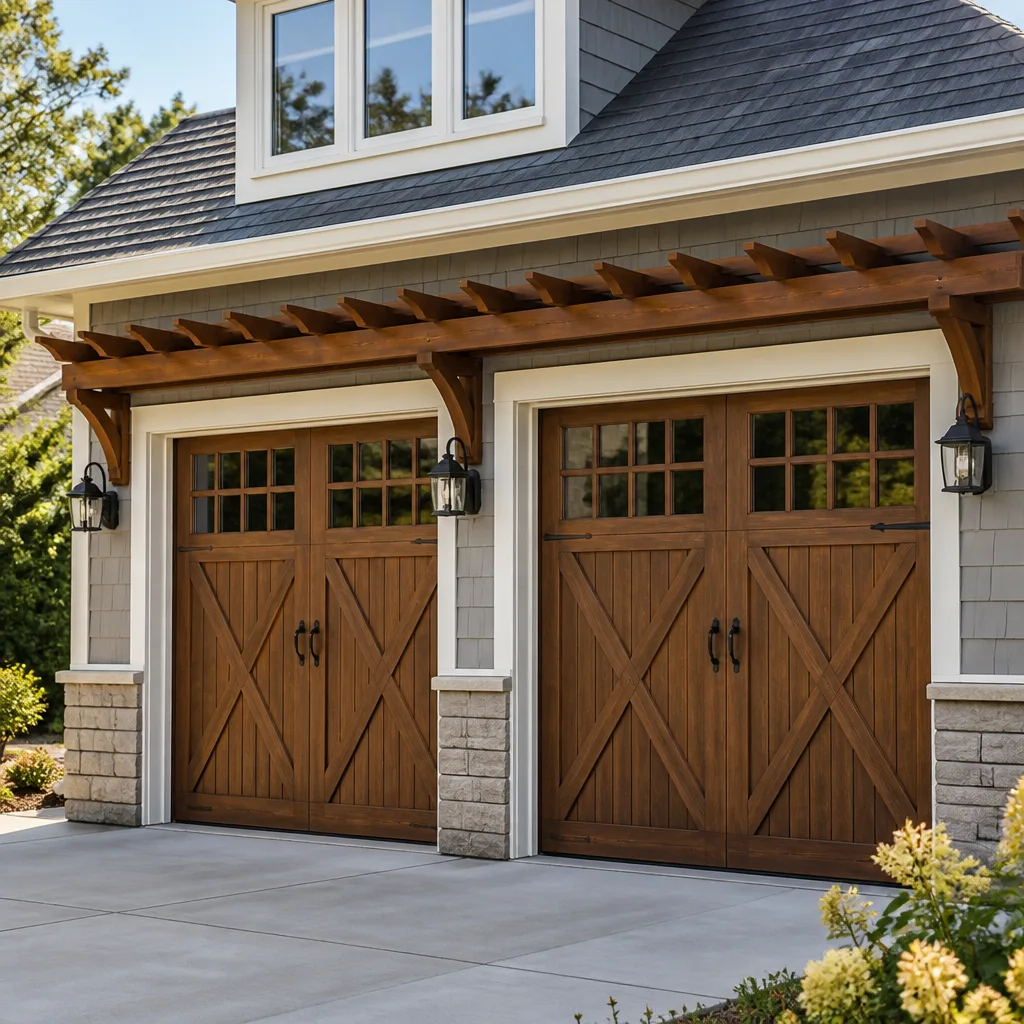 Carriage house
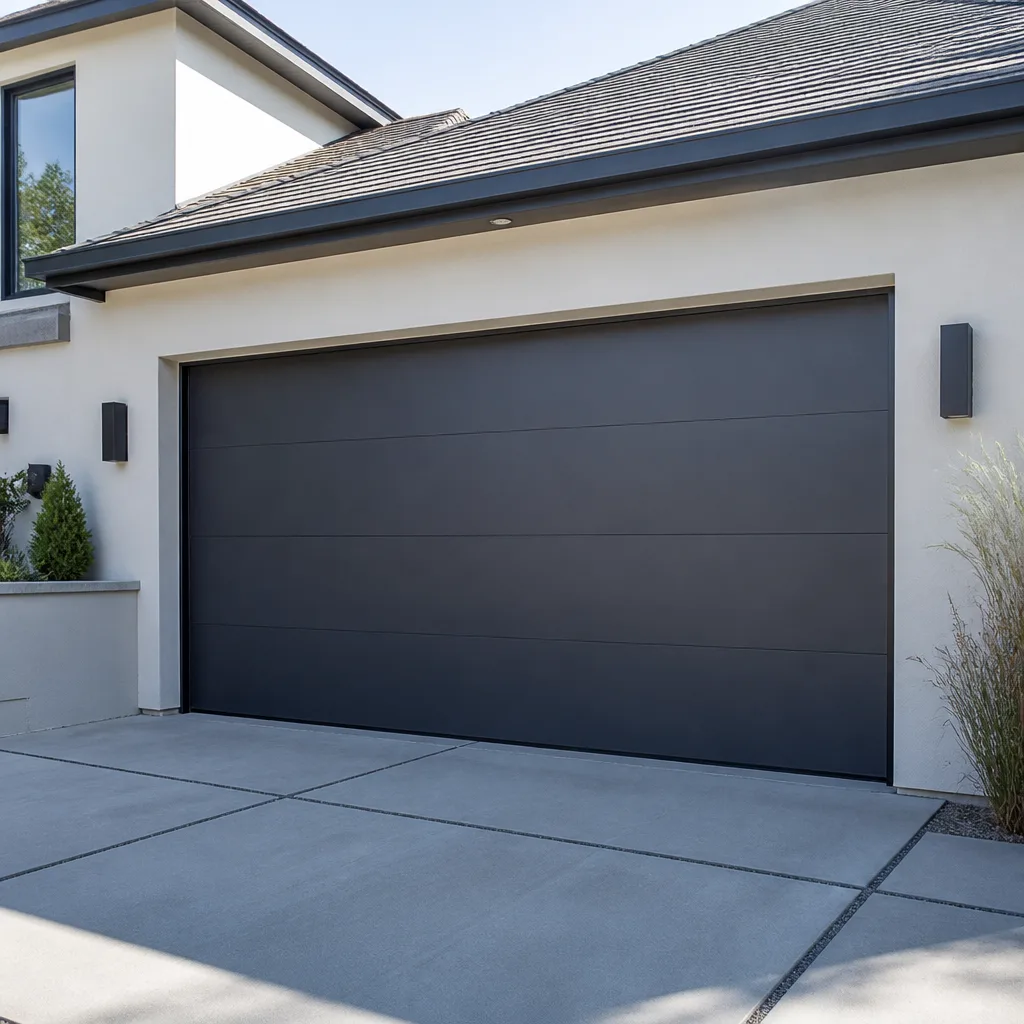 Modern flush
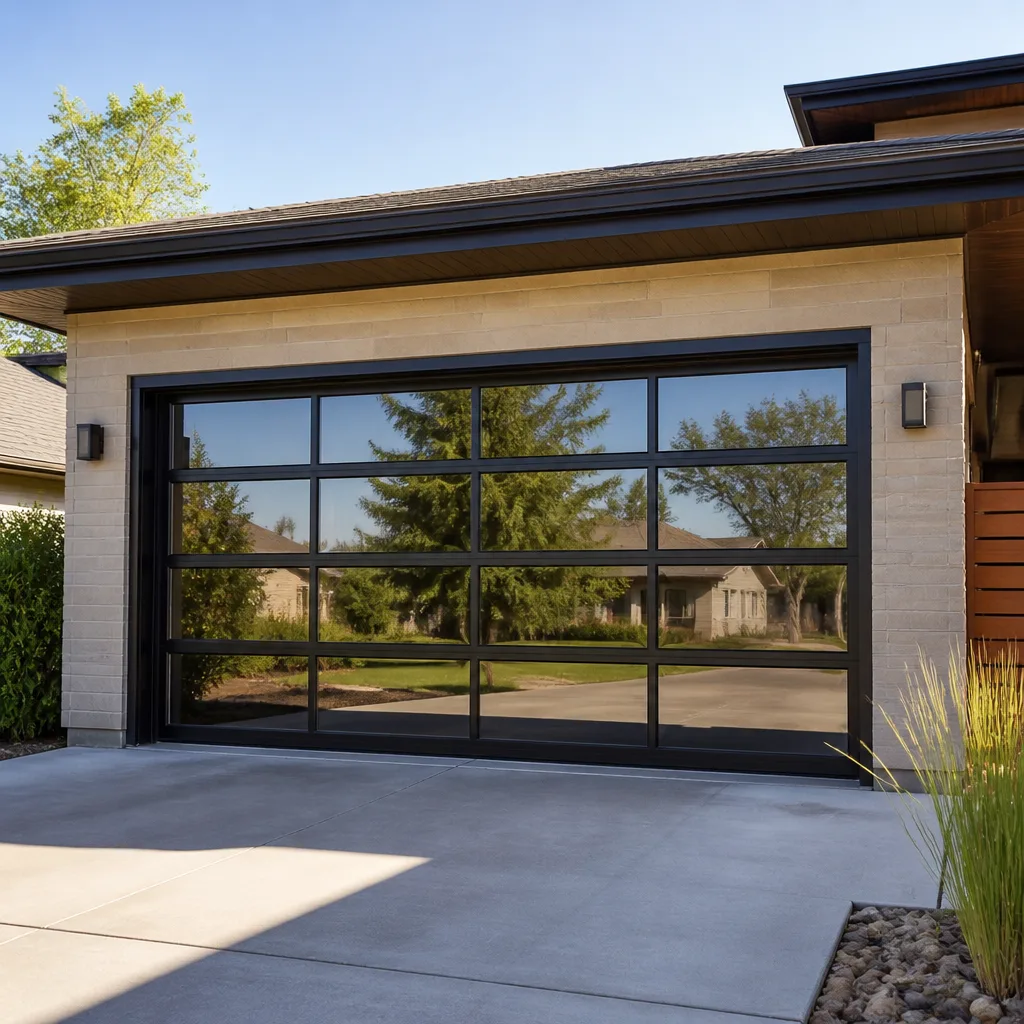 Full-view glass
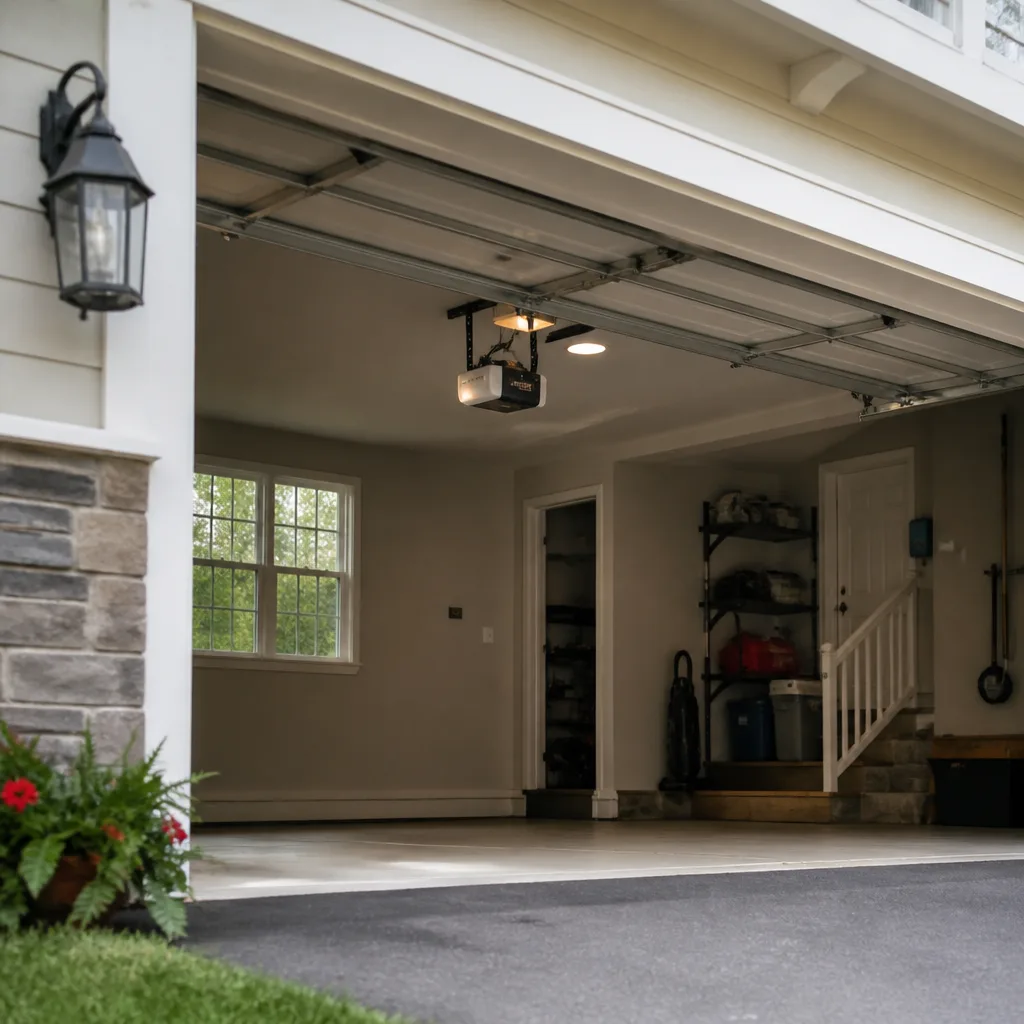 LiftMaster openers
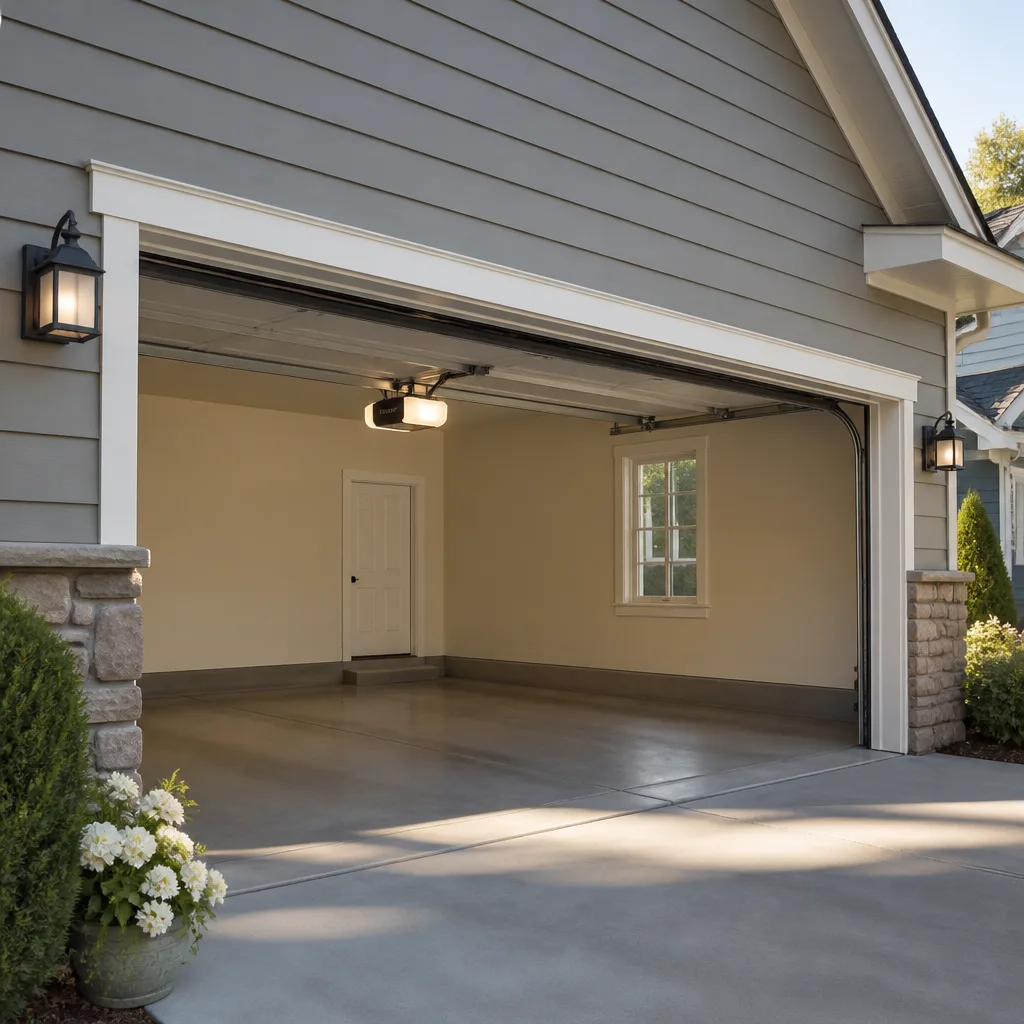 Chamberlain openers
Full 25-point door and opener safety check with every visit - springs, cables, rollers, tracks, and your LiftMaster or Chamberlain opener included
You get a price before we start. It does not change when the pro arrives.
Get your free estimateGarage Door Permits, Codes & Inspections in Tallahassee, FL: What You Need to Know
Most Tallahassee homeowners assume a garage door replacement needs no permit because it looks like a simple swap: take the old door off, hang the new one, done. That assumption is where trouble starts. In Florida, replacement is a construction activity, and the door is part of the building envelope that has to resist wind. This guide walks through exactly when Leon County requires a permit for garage door work, what Florida Building Code Chapter 16 means for the door you can put on your house, how the inspection process actually runs in Tallahassee, and why an unpermitted door can cost you at insurance time and at resale long after the install is forgotten.
Quick Answer
In Tallahassee and the rest of Leon County, a full garage door replacement requires a building permit, while routine repair (springs, cables, rollers, tracks, openers) generally does not. The permit exists because the door must meet Florida Building Code wind-load requirements for your address, which may or may not fall in a Wind-Borne Debris Region, and the finished install has to pass an inspection. Skipping the permit can leave your door non-compliant on record, which is a problem with insurers and at resale.
Styles & brands we work with
- Raised-panel steel
- Carriage house
- Modern flush
- Full-view glass
- LiftMaster openers
- Chamberlain openers
Table of Contents
- When does Leon County require a permit for garage door work?
- Florida wind-load rules and what HVHZ vs. non-HVHZ means for Tallahassee
- How to check whether your address needs a Wind-Borne Debris rated door
- What the permit and inspection process looks like in Tallahassee
- What fails an inspection most often
- Insurance and resale: the cost of unpermitted work
- Why the installer matters as much as the permit
When does Leon County require a permit for garage door work?
Here’s the rule in plain terms: replacing the door is permitted work, repairing the door usually isn’t. Leon County follows the Florida Building Code, and the dividing line runs between “replacement” and “repair,” not between “big” and “small.”
What typically needs a permit:
- A full door replacement – removing the existing door and installing a new one, regardless of whether the size, style or brand changes.
- Changing the door type or size – swapping a sectional for a roll-up, widening an opening, or altering the header.
- New construction or an addition – the garage door is part of the permitted building envelope and gets inspected along with it.
- Structural changes to the opening or framing – anything that touches the header, jambs or wall.
What generally doesn’t need a permit on its own:
- Spring, cable and roller replacement – these are maintenance repairs to an existing door.
- Opener replacement or repair – installing a new LiftMaster or Genie unit on an existing door is not a structural change to the opening.
- Track realignment, panel swaps on the same door, and hardware fixes – normal repair work.
Two caveats worth knowing. First, an opener repair or a spring fix that reveals a bent or rotted track, a cracked panel or a structural problem can push the job into permitted territory. Second, the county’s rules can change and individual jobs vary, so the reliable move is to call the Leon County building department with your address before the work is scheduled. That five-minute call is what separates a clean record from a mess you discover years later.
Florida wind-load rules and what HVHZ vs. non-HVHZ means for Tallahassee
Florida Building Code Chapter 16 sets the wind-load requirements every exterior component of a building has to meet, and the garage door counts as a large, fairly weak section of the wall. Overturning a garage door is one of the fastest ways wind gets into a house, and once the pressure equalizes inside, the roof and walls take on far more load.
Two terms come up constantly in conversations about garage doors in Tallahassee, and they’re easy to confuse:
- HVHZ stands for High-Velocity Hurricane Zone. It applies to specific coastal areas of South Florida, not to Leon County. Doors sold for HVHZ jobs carry some of the strictest ratings in the country.
- Non-HVHZ covers the rest of the state, including Tallahassee. The requirement is still real – it’s just set by a different section of the code and by the wind-speed design criteria for your specific location rather than the HVHZ standards.
What that means practically: a garage door rated for a South Florida HVHZ job is overbuilt-and-then-some for a Tallahassee home, and the price reflects it. What you actually need is a door whose tested design pressure meets or exceeds the wind-load figure for your address in the Florida Building Code. That figure changes with the location and the door’s exposure. A Clopay or Amarr model listing a design pressure is telling you how much pressure the door survived in testing, not whether it’s the right door for your house. The permit reviewer compares the two numbers.
Where things go wrong is when a homeowner buys a door for its looks or its price and the submittal gets rejected because the design pressure doesn’t clear the threshold for the address. We’d rather catch that before the door is ordered than after it’s on the truck. Tallahassee sits inland enough that the requirements can feel abstract, which is exactly why so many replacements get done without a permit by people who assume the rules don’t apply here. They do.
How to check whether your address needs a Wind-Borne Debris Region rated door
The Wind-Borne Debris Region (WBDR) is defined by distance to the coast and by a wind-speed threshold. Some addresses in Leon County fall inside the region and need a door rated for debris impact; others don’t. The answer belongs to your address, not to the county as a whole.
Here’s the process we’d walk you through:
- Pull your address in the Florida Building Commission’s wind-load tool (the state’s online product approval and wind-load lookup). Enter the property and note whether the address falls inside or outside the Wind-Borne Debris Region, along with the design wind speed.
- Check the property’s permit history at the Leon County Building Department. The original construction permit may already establish which code cycle and criteria applied when the house was built.
- Confirm with the county by phone. Ask the building department directly: does this address require a WBDR-rated garage door for a replacement, and what documentation does the submittal need?
- Match the door to the answer. Look for the product’s Florida Product Approval or Miami-Dade NOA number, the design pressure rating and the impact rating, and confirm all three align with what the county told you.
We’ve had plenty of homeowners in Tallahassee come to us after buying a door at a big-box store on price alone, then discover the product approval doesn’t cover their address’s requirement. That’s a costly return. The lookup takes a few minutes; the mistake takes weeks to undo.
What the permit and inspection process looks like in Tallahassee
Understanding the sequence in advance removes the anxiety and the surprise delays. Here’s the general shape of a permitted garage door replacement in Leon County (confirm current timelines with the building department, since they shift with workload):
- Get the door spec’d. The door model, wind rating, design pressure, product approval number and installation instructions get pulled together before the permit application. This is where the right product gets chosen.
- Submit the permit application. In Leon County this can typically be done online through the county’s permit portal or in person at the building department. You’ll need the door’s approval documentation, the contractor information, and a site plan or description of the work.
- Wait for plan review. A straightforward replacement usually clears review in a few business days to a couple of weeks depending on volume. Requests for additional information are common when the submittal is thin, which is another reason to get the spec right the first time.
- Pull the permit and install the door. The install has to match the reviewed plans. Swapping in a different model after approval is a common reason a final inspection fails.
- Call for the inspection. Once installed, the county inspects the work. For a garage door replacement, that’s typically a quick visual check: anchoring, the door’s approval documentation, and the install matching the approved product.
- Get the final approval. The permit closes and the work is on record with the county. That record is the piece of paper that matters at resale or at insurance time.
Installation is measured, ordered and scheduled, not same-day, so build in the review and inspection windows when you’re planning a replacement. If you’d rather not chase the portal and the paperwork, a professional garage door installation service handles the submittal as part of the job. That’s the cleanest path, because the same people who spec the door own the documentation.
What fails an inspection most often
In our experience, most failed inspections on garage door work come down to documentation gaps and small install misses, not anything dramatic. The door works, but the file doesn’t match it.
- The installed door doesn’t match the approved model. A swapped panel color or a different series door than the one reviewed is the single most common fail. The inspector compares the door on site to the product approval in the file.
- Missing or expired product approval documentation. The Florida Product Approval number has to be current and has to cover the door as installed. An approval number for a different size or wind rating doesn’t count.
- Improper anchoring. The door track and brackets have to be fastened per the manufacturer’s instructions, with the right anchors into the right material. Shortcuts here are visible.
- Design pressure below the address requirement. The door clears the code in general but not the wind-load threshold specific to the address.
- Impact rating missing where the address requires it. A WBDR address needs a debris-impact rated door, and a standard door fails regardless of its design pressure.
- Structural concerns in the opening. Rot, a compromised header or a bent frame discovered at install time has to be addressed before the door can be signed off.
The pattern is consistent: the failures are avoidable with a tight submittal and an installer who reads the product documentation. We see fewer problems on jobs where the door model is locked in before the application is filed.
Insurance and resale: the cost of unpermitted work
This is the part most homeowners only learn the hard way. In Florida, unpermitted construction can affect both claims and sales, and a garage door is no exception.
On the insurance side, a policy typically requires the property to be maintained in compliance with applicable codes. If a claim arises from or involves a component that was installed without a permit and doesn’t meet code, an insurer has grounds to question the coverage. The door surviving the storm isn’t the test; whether the work that installed it was compliant on paper is. An adjuster who finds an unpermitted replacement can slow a claim down or deny the portion tied to it depending on the policy language.
On the resale side, Florida’s seller disclosure rules generally oblige a seller to disclose known unpermitted work. A buyer’s inspector sees the new door, the seller’s disclosure shows no permit, and the deal stalls while everyone tries to sort out whether the install meets current code. Getting a permit after the fact is possible in some cases and not in others, and it’s always slower and more expensive than doing it right the first time.
The permit itself is not the expensive part. The exposure is an insurance gap at a claim or a stalling point at closing, both of which dwarf the permit cost and both of which arrive years after the install. That’s the real argument for doing a garage door replacement properly in Tallahassee, even when the old door came off in an afternoon and the new one went up just as fast.
Why the installer matters as much as the permit
A permit is only as good as the work behind it. The door has to be the right product for the address, the anchoring has to follow the manufacturer’s instructions, and the documentation has to stay with the job. When those pieces are handled by the same crew, the inspection is usually a formality.
We work on eight major garage door and opener brands – LiftMaster, Chamberlain, Genie, Clopay, Amarr, Wayne Dalton, Craftsman and Raynor – which means the product approval and spec work for a replacement door is familiar territory, not research. Opener systems are part of the same picture, since a new door on an older opener often needs recalibration, and a LiftMaster or Chamberlain system with myQ behaves differently from a legacy Genie or Craftsman unit.
Two other things worth knowing before you start: spring work on an existing door is one of the most dangerous repairs in the trade, because the torsion spring carries stored energy that can cause serious injury if released incorrectly. It’s not a homeowner job, and it’s not a generalist handyman job either. A trained professional handles it every time. And if something fails outside normal hours, we have emergency garage door service built into the service lineup rather than bolted on.
Our technicians have up to 9 years of experience across repair, spring work, opener diagnostics and full replacements, so the person who specs your door is usually the same person who knows what the county will want in the submittal.
Common Mistakes to Avoid
- Assuming a replacement is a “repair” and skipping the permit entirely. Leon County treats a full door replacement as permitted construction. The decision to skip the filing is the one you’ll be asked about later.
- Buying the door before checking the address requirement. A door on sale at a big-box store may not carry the design pressure or impact rating for a WBDR address. Check the requirement first, then shop.
- Confusing HVHZ with non-HVHZ. Leon County is non-HVHZ, and a South Florida rated door is more product than your house needs while a non-rated door may be less than the address requires.
- Swapping the door model after approval. The inspector compares the door on site to the reviewed plans. Any change requires updating the permit file before install.
- Treating the permit file as paperwork you can toss. Keep the final inspection record with your home documents. It’s what you’ll hand over at resale.
- Letting a generalist touch the springs to save money. Torsion springs store enough energy to injure or kill if handled wrong. Spring work is a specialist job for a reason.
- Ignoring structural problems until inspection day. Rotted framing or a bent header found at install time pushes the job sideways. A pre-install check of the opening catches it early.
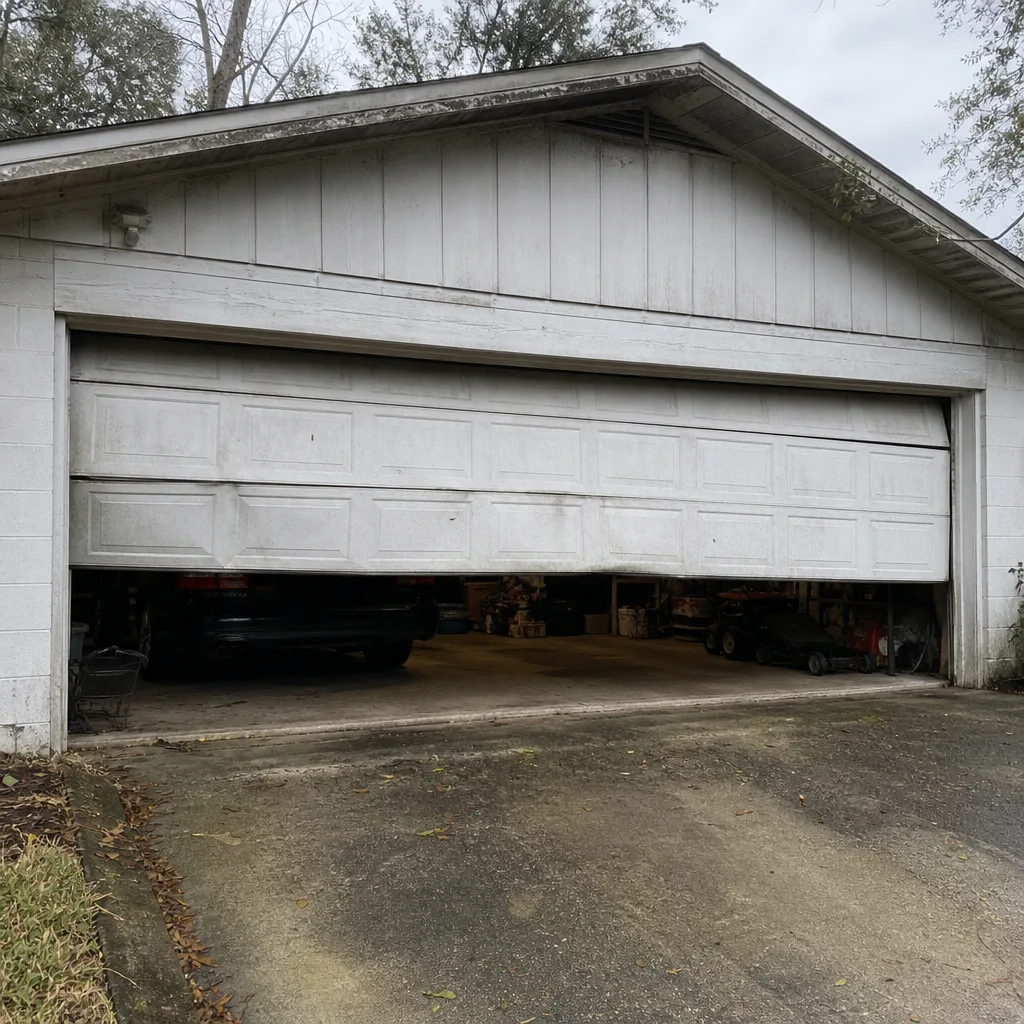
See the difference
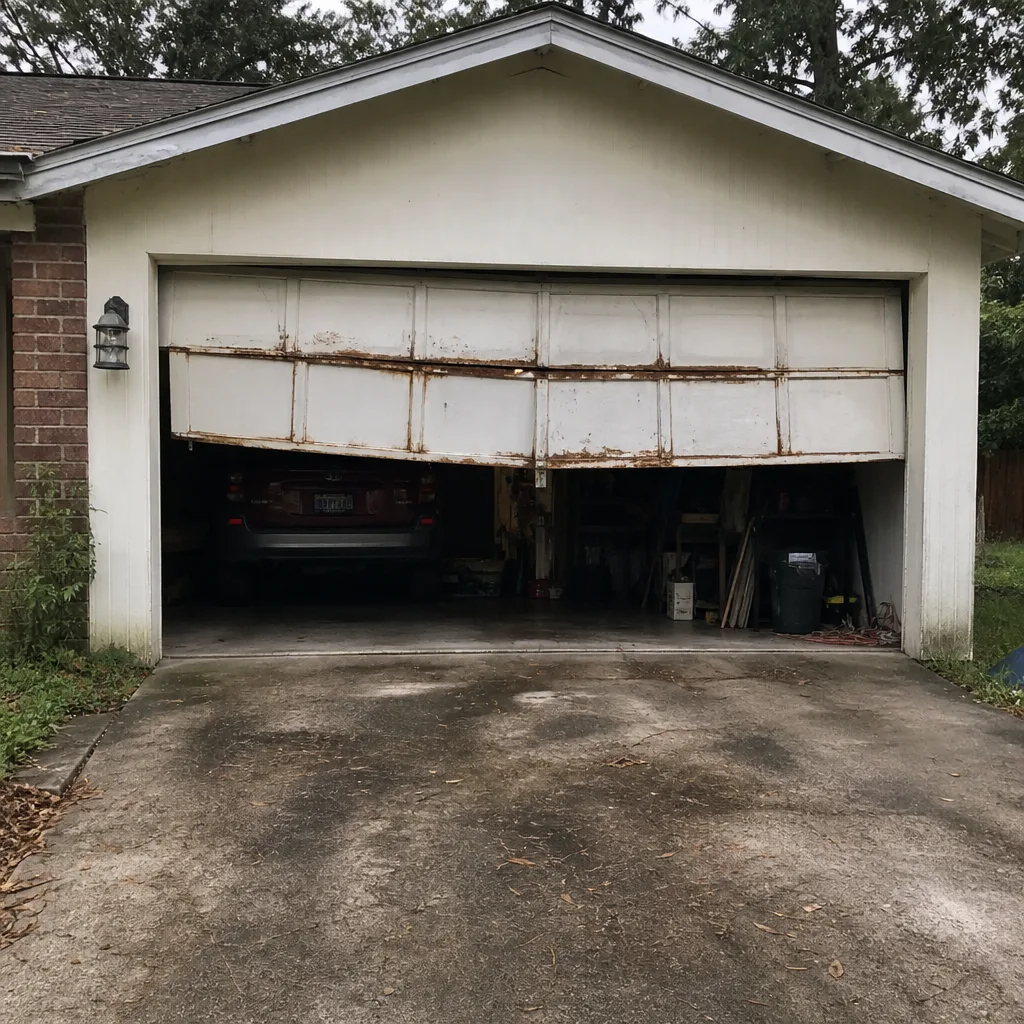 Before
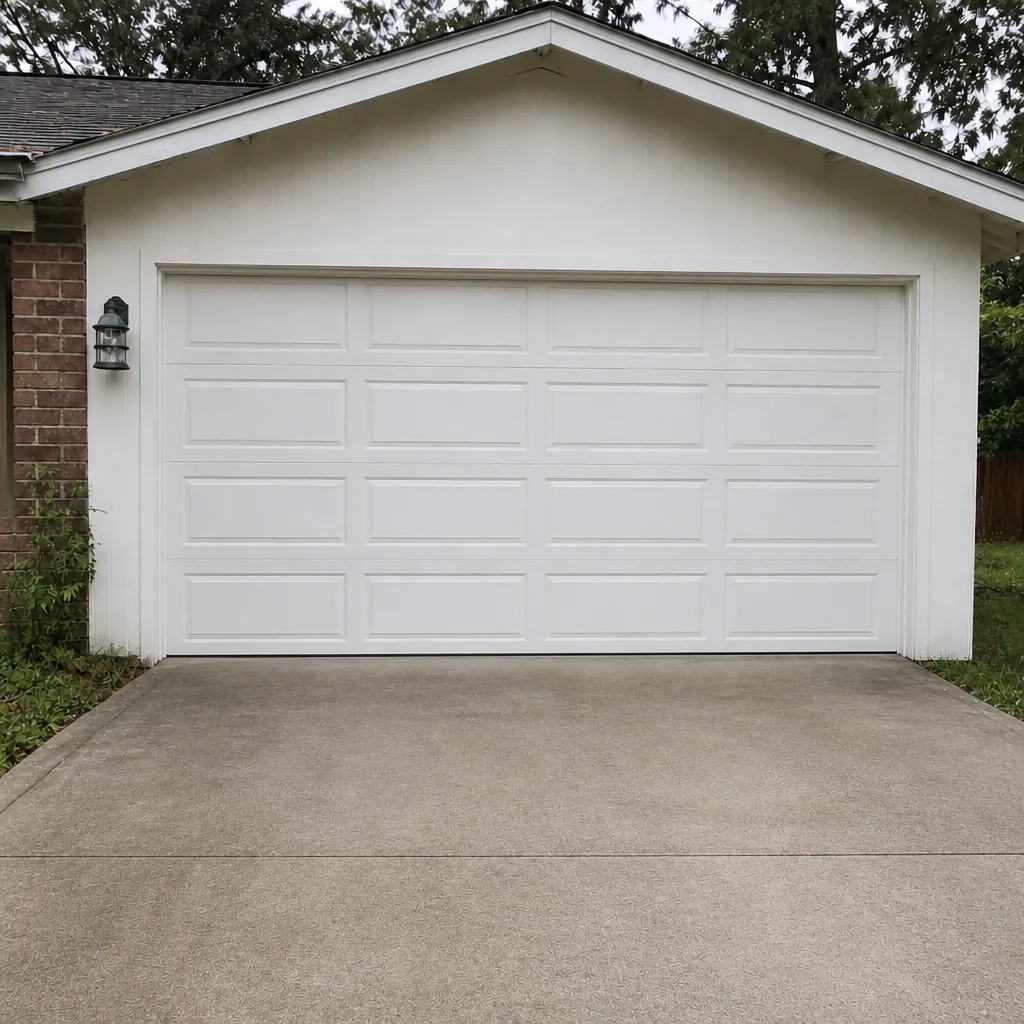 After
 Before
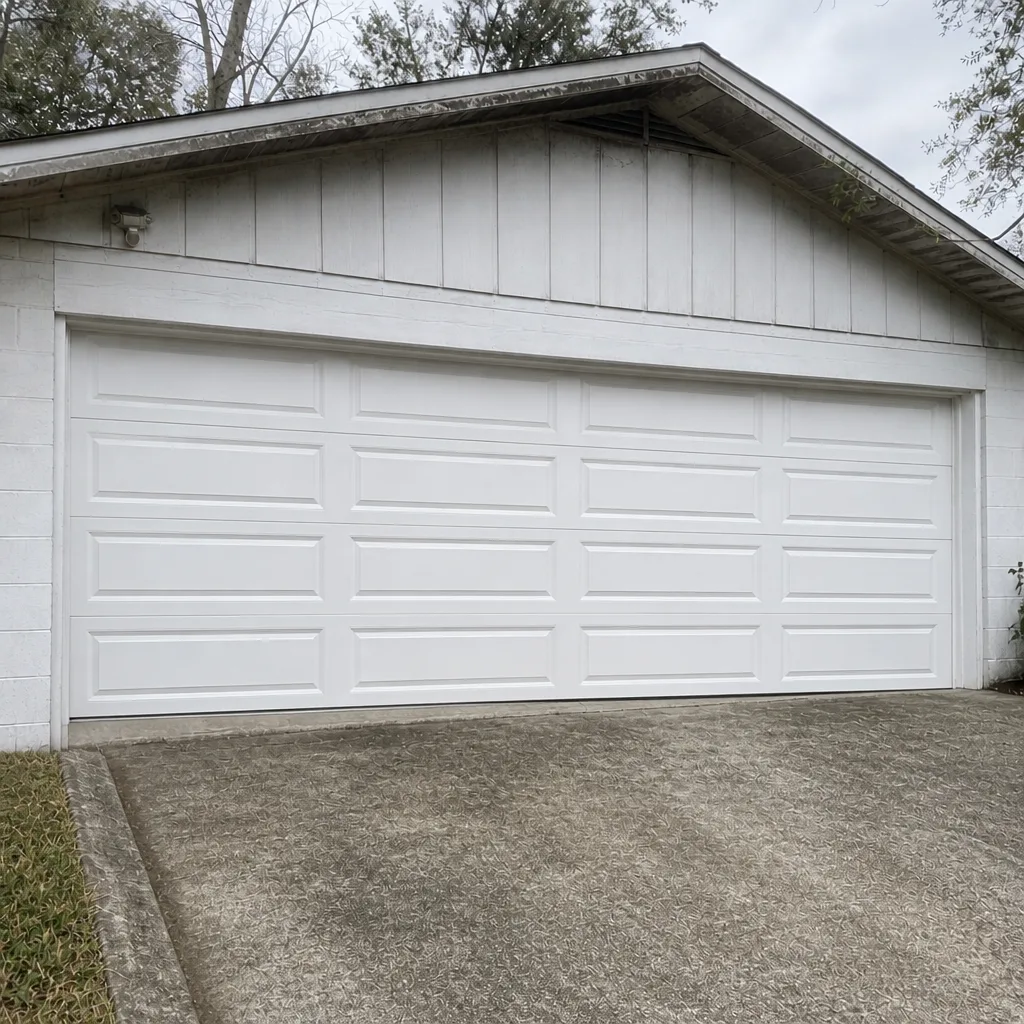 After
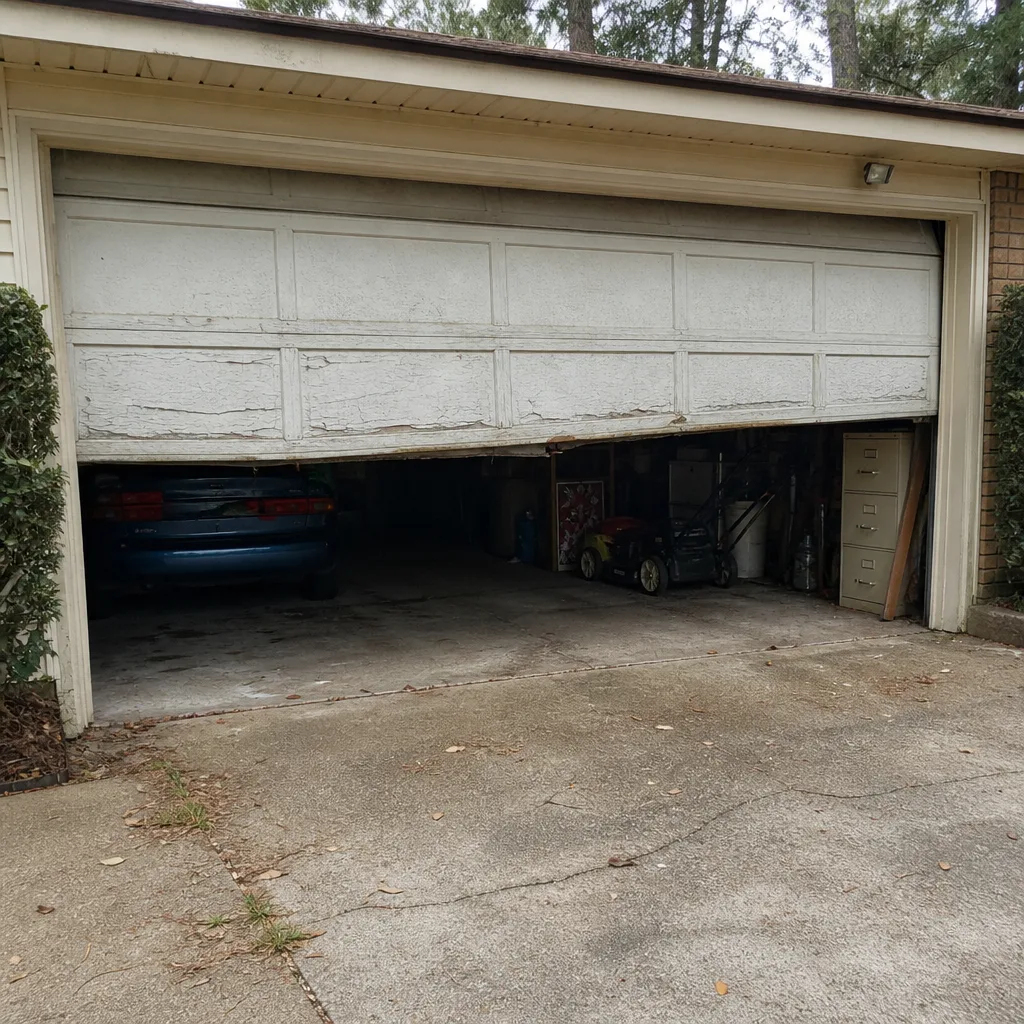 Before
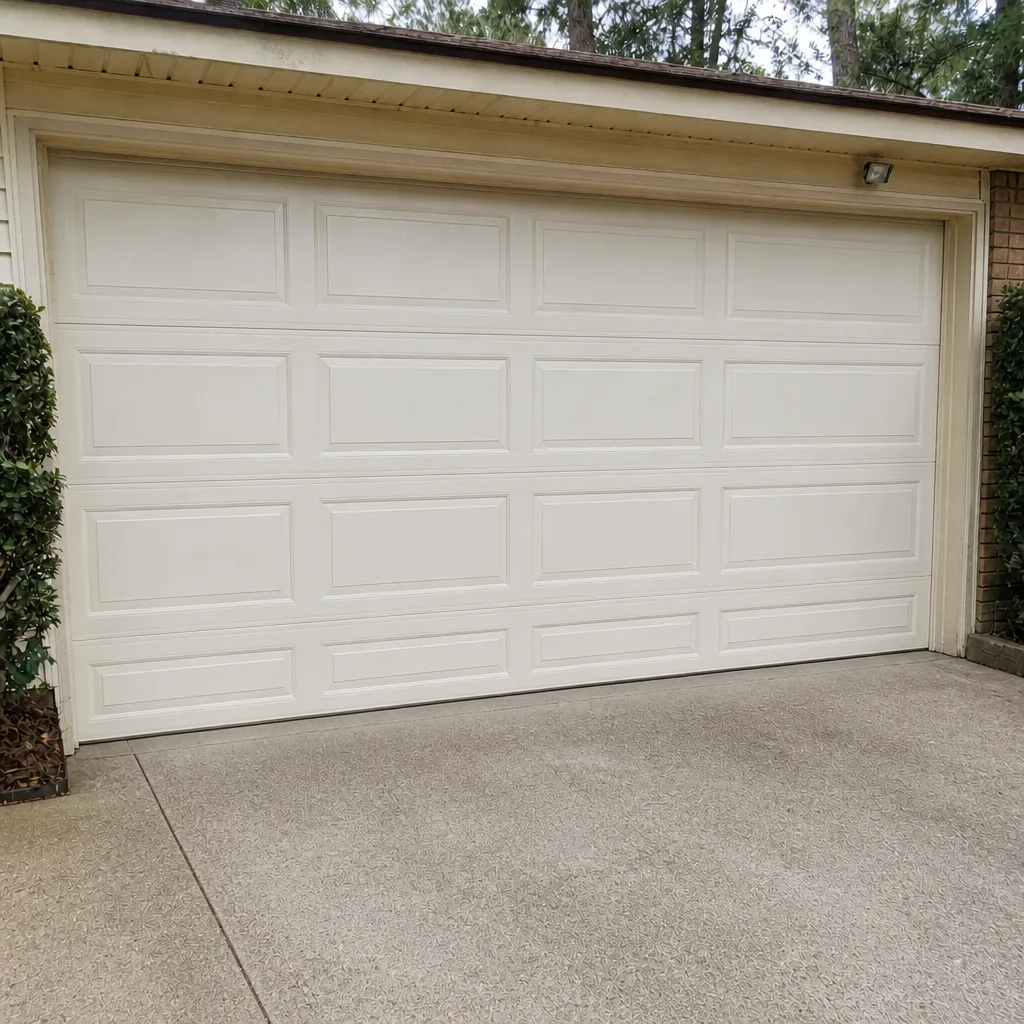 After
When to Call a Professional
Call a professional when the work involves anything that touches the door itself: a replacement, a bent or damaged track, a broken torsion spring, a door that’s come off its rollers, or an opener that isn’t responding correctly. If your door works but a spring looks stretched or the opener strains to lift a door that used to glide, that’s the moment to get it looked at, not after the door drops. If the house is up for sale or the insurer has asked about the garage, a permitted install with proper documentation matters more than ever. Tallahassee Garage Door Repair Experts offers free estimates in Tallahassee – call (844) 443-3895. We can talk through the permit question for your address, spec the right door for the wind requirements, and handle spring, opener and track work with the same crew. Prices are quoted and agreed before any work starts, so the number in the estimate is the number on the invoice.
Frequently Asked Questions
Yes, in most cases. Leon County treats a full garage door replacement as permitted construction because the door has to meet Florida Building Code wind-load requirements for your address. Routine repair work (springs, cables, rollers, tracks, openers) generally doesn’t need a permit on its own. Confirm with the Leon County building department using your address before the job is scheduled. Call (844) 443-3895 for a free estimate and we’ll walk you through the filing.
No, replacing or repairing an opener is not structural work to the building envelope and doesn’t need a permit on its own. If you’re also replacing the door or altering the opening, the door replacement carries the permit. If you’re swapping a LiftMaster, Chamberlain or Genie opener on an existing door, that’s repair-class work. Call (844) 443-3895 for a free estimate.
HVHZ stands for High-Velocity Hurricane Zone, a stricter code standard that applies to specific coastal areas of South Florida. Tallahassee is non-HVHZ, but that doesn’t mean there are no wind requirements: the door still has to be rated for the design wind speed and debris criteria for your address. The permit reviewer compares the door spec to that requirement. Call (844) 443-3895 and we’ll help you sort out what your address actually needs.
Look it up by address using the Florida Building Commission’s wind-load tool, then confirm with Leon County’s building department by phone. The WBDR designation is address-specific, based on distance to the coast and a wind-speed threshold, and it determines whether your replacement door needs a debris-impact rating. The lookup is quick; the mistake of getting it wrong is expensive. Call (844) 443-3895 if you’d like help with the process.
The work goes unrecorded and may not meet current code. That can create problems at a claim if the insurer questions the compliance of the component involved, and it can stall a sale when the buyer’s inspector notices the door but no permit appears in the disclosure. In some cases a permit can be pulled after the fact, but it’s slower and more costly than doing it right the first time. Call (844) 443-3895 for a free estimate on doing it properly.
No. The estimate we give you is the price, and it’s agreed before any work starts. If the opening turns out to have structural problems the estimate didn’t cover, we discuss the options with you before proceeding, not after. Free estimates in Tallahassee – call (844) 443-3895.
The Bottom Line
A garage door replacement in Tallahassee is permitted construction, not a simple swap. The door has to meet Florida Building Code Chapter 16 wind-load requirements for your address, which may include a Wind-Borne Debris Region impact rating. The permit process runs through Leon County’s building department, the submittal has to match the door that goes up, and the final inspection puts your install on record – the record that matters at insurance time and at resale. Repair work doesn’t need the permit. Replacement does. Get the spec right, file the paperwork, keep the final inspection record, and hire someone who handles spring work and documentation as part of the job. If you’re ready to talk it through, call (844) 443-3895 for a free estimate.
Written by the team at Tallahassee Garage Door Repair Experts.